

Freightos Overview and Where It Fits Best
Freightos sits at the center of the shift toward online freight booking in the logistics industry. It works as a rate comparison and booking platform that links shippers with freight forwarders, airlines, and ocean carriers.
Many firms use it to check prices fast, manage quotes, and handle basic shipping management in one place. It fits best for small to mid-size importers who ship often and want clear pricing without long calls or emails. Freightos also helps teams that need simple shipment tracking and fewer manual steps.
Like most digital platforms, Freightos is designed around a specific set of use cases. Organizations with more complex supply chain requirements, custom operational workflows, or deeper collaboration with freight brokers may need additional capabilities beyond core rate comparison and booking. As a result, some teams explore Freightos alternatives, including both free and paid options, to complement or extend their existing workflows.
Why Freight Forwarders Look for Freightos Alternatives
Freight forwarders often adopt Freightos to speed up quoting and booking. Over time, many discover some limitations that affect daily work. As the logistics industry becomes more data-driven, a freight forwarding company needs tools that support real operations, not only rate comparison. This drives the search for Freightos alternatives that offer stronger control across the supply chain.
For many teams, the right platform must support deep shipping management, accurate shipment tracking, and flexible workflows that match how a freight forwarder actually works. Common reasons forwarders look for Freightos alternatives include:
- Limited Workflow Flexibility: Fixed processes fail to match how a freight forwarder manages air, ocean, and multimodal shipments across the supply chain.
- Weak Customization for Pricing and Services: Platforms restrict margin control, contract rates, accessorial fees, and advanced shipping management rules.
- Scaling at Higher Volumes: Growing shipment counts can expose limits in automation depth, tracking consistency, and workflow reliability.
- Gaps in Carrier and Broker Access: Missing regional carriers and weak freight broker integration reduce routing options and pricing accuracy.
- Desire for Greater Operational and Data Control: Many freight forwarders prefer platforms that provide deeper ownership over client data, rates, and workflows.
- Cost Pressure from Paid Platforms: Subscription pricing models may influence teams to explore alternative options.
- Limited Operational Depth: Limited document handling, coordination, and visibility weaken execution across the wider supply chain.
Freightos Alternatives for Freight Forwarders and Logistics Teams
Forwarders and logistics teams need platforms that manage pricing, documents, shipment tracking, and internal coordination. Freightos alternatives provide stronger shipping management, real-time visibility, and control, helping teams optimize operations. They also support collaboration with carriers and freight brokers, making workflows more efficient and reducing errors compared with standard marketplace or shipper-focused platforms.
1. Wisor
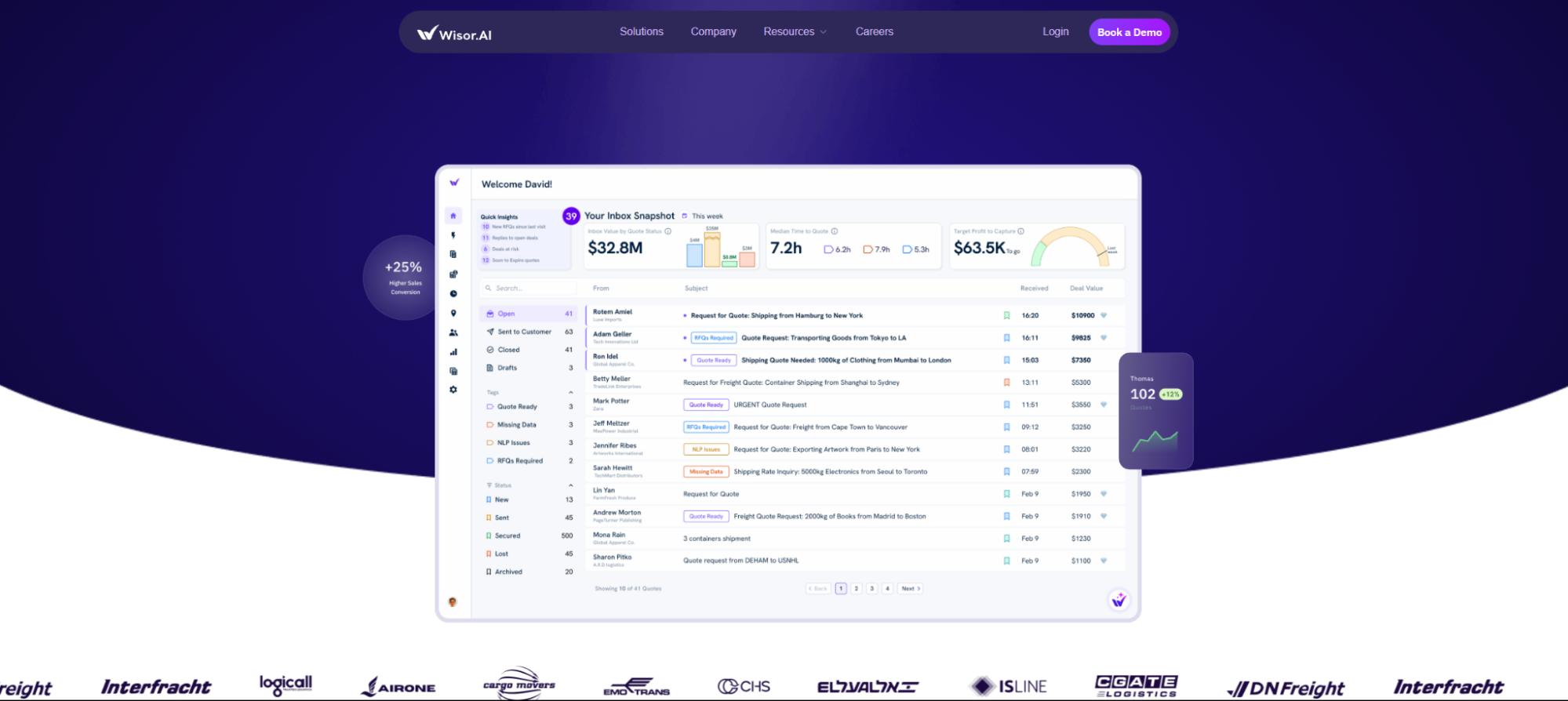
Wisor positions itself as a data-driven platform for forwarders who need control and speed. It offers live rates, automated quotes, and contract management designed for a freight forwarder environment.
Unlike shipper-first tools, Wisor focuses on margin control and internal workflows. Its dashboards support shipping management across air and ocean, with strong analytics for lane performance. Shipment tracking stays centralized, which helps teams reduce manual updates.
Wisor also supports collaboration between sales and operations, a key need in a growing supply chain operation. As a specialized freight booking and quoting platform, it integrates seamlessly with your existing TMS and carrier partners. For teams comparing Freightos alternatives, Wisor appeals to forwarders who want data ownership and pricing depth without added noise.
Best for: Data-focused freight forwarders that need pricing control and scalable shipping management.
2. GoComet

GoComet focuses on visibility and process control for logistics teams handling complex flows. It combines rate management with strong tracking, including milestones and alerts across the supply chain.
Many freight forwarders use GoComet to reduce email traffic and manual follow-ups. The platform supports shipment management with document workflows and analytics that highlight delays and cost leaks. It also works well in mixed setups that involve carriers and freight brokers.
GoComet does not replace core TMS tools, but it adds a strong visibility layer. For users exploring Freightos alternatives, it stands out for operational clarity rather than pure booking speed. It fits teams that value transparency across the logistics industry more than instant quotes.
Best for: Freight forwarders and logistics teams that need deep shipment tracking and end-to-end supply chain visibility.
3. CargoX
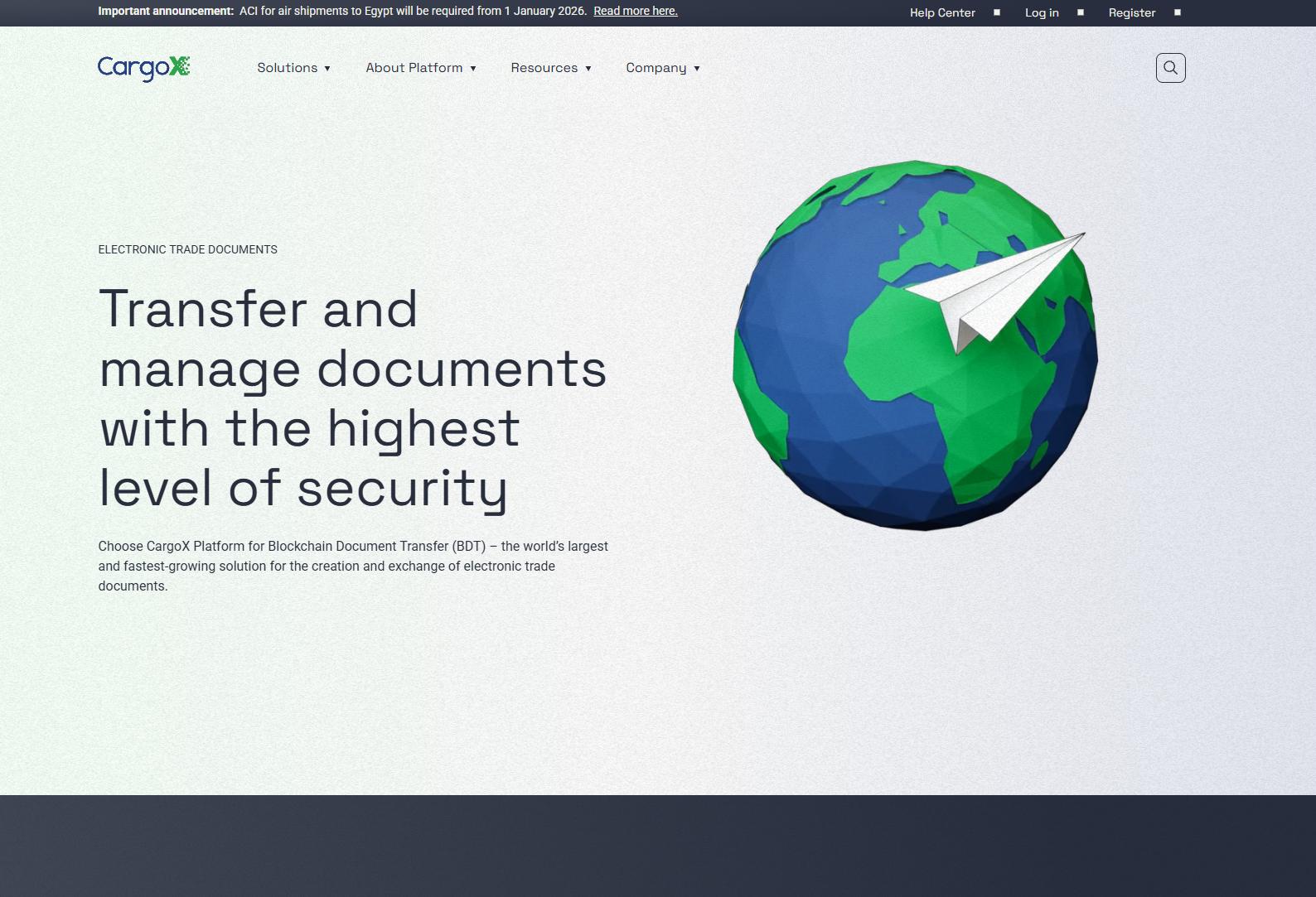
CargoX takes a different angle by focusing on secure digital documents and data exchange. Built on blockchain, it helps a freight forwarder manage bills of lading and trade documents with trust and traceability.
This matters in a global supply chain where delays often come from paperwork, not transport. CargoX does not act as a digital freight forwarder for booking, but it strengthens shipping management through secure transfers. Shipment tracking ties into document status, which reduces disputes and manual checks. For teams comparing Freightos alternatives, CargoX works best as a specialist tool, not a full platform. It also pairs well with other systems used by freight forwarders and freight brokers.
Best for: Freight forwarders that handle document-heavy trade lanes and need secure, digital document workflows.
4. FreightViewer
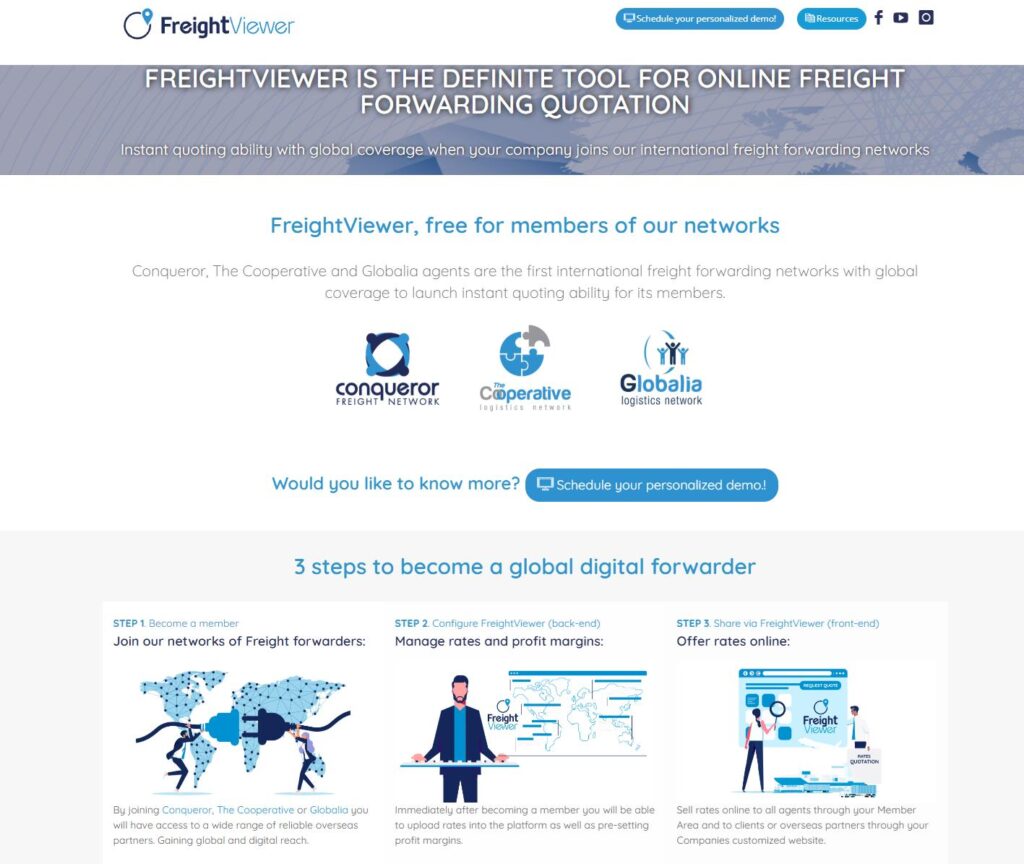
FreightViewer focuses on rate management and benchmarking for forwarders that quote often. It pulls pricing data into one view and helps a freight forwarder compare carrier offers with clarity.
This supports smarter decisions across the supply chain, especially when margins are thin. The platform strengthens management of shipments by reducing pricing errors and manual spreadsheets. While tracking is basic, FreightViewer excels at analysis and reporting. It suits teams that already use other tools for execution.
Among the alternatives of Freightos, FreightViewer appeals to forwarders who want insight more than automation. It also helps teams negotiate better with carriers and brokers using real data from the logistics industry.
Best for: Freight forwarders that need strong rate analysis and pricing intelligence across multiple carriers.
5. CargoSphere
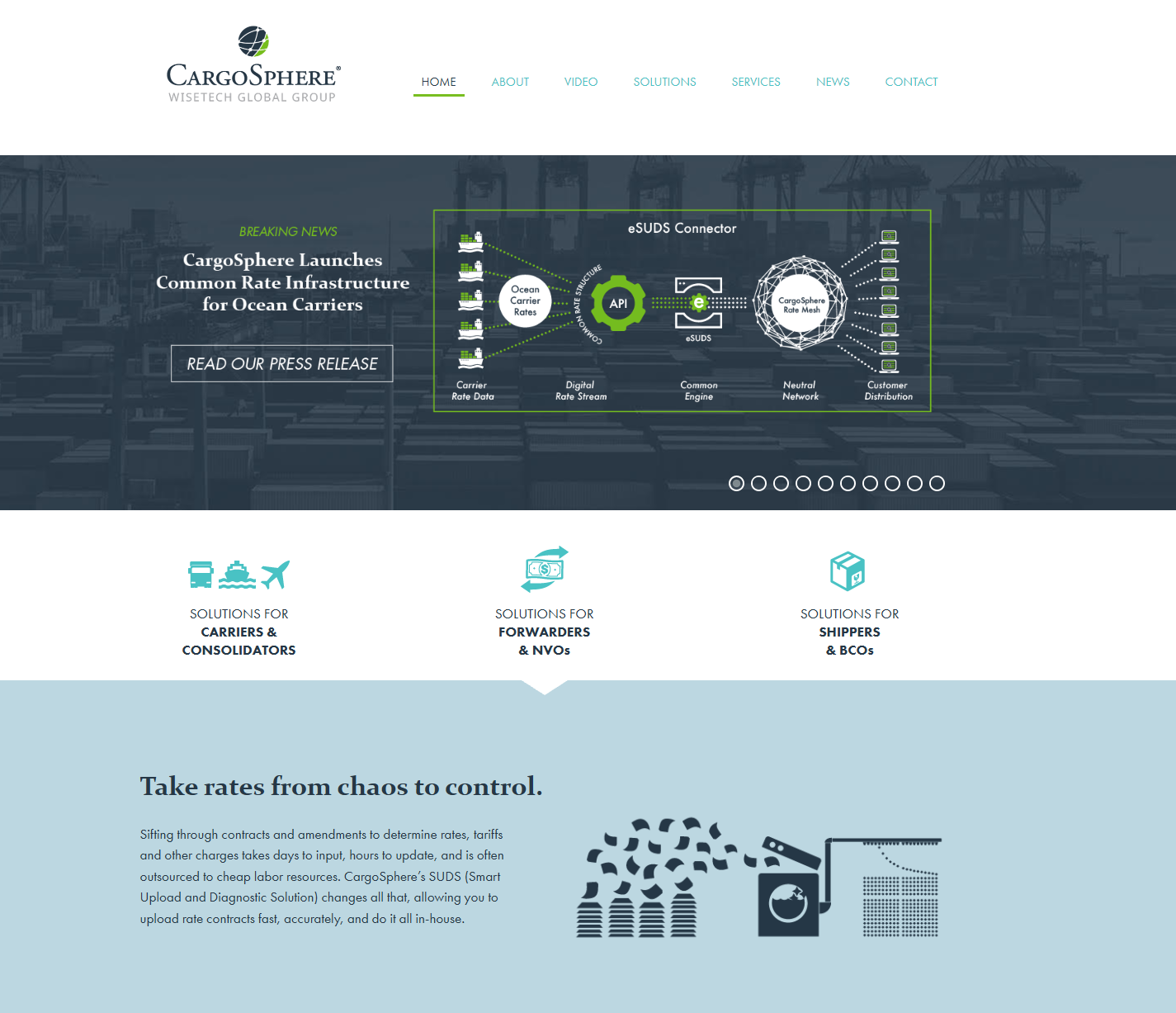
CargoSphere centers on contract rate management and compliance. It helps a freight forwarder store, audit, and apply carrier contracts correctly. This reduces leakage and pricing disputes across the supply chain.
CargoSphere strengthens management by enforcing contract rules at the quote stage. It does not focus on fleet management or execution, but it adds discipline to pricing workflows. Shipment tracking is limited, so teams often pair it with other systems.
For those reviewing Freightos alternatives, CargoSphere fits forwarders with complex contracts and high quote volume. It supports better alignment with carriers and brokers across the wider logistics industry.
Best for: Freight forwarders with complex carrier contracts that need strict rate compliance and margin protection.
Freightos Alternatives Focused on Rate Management and RFQs
Forwarders that rely on RFQs and precise pricing benefit from Freightos alternatives built for cost control and consistency. These platforms streamline tendering, automate quote generation, and integrate with carriers and brokers. They improve management by enforcing contract rates, reducing errors, and giving teams the data and workflow control necessary to handle high-volume RFQs across the supply chain.
6. Alpega TMS
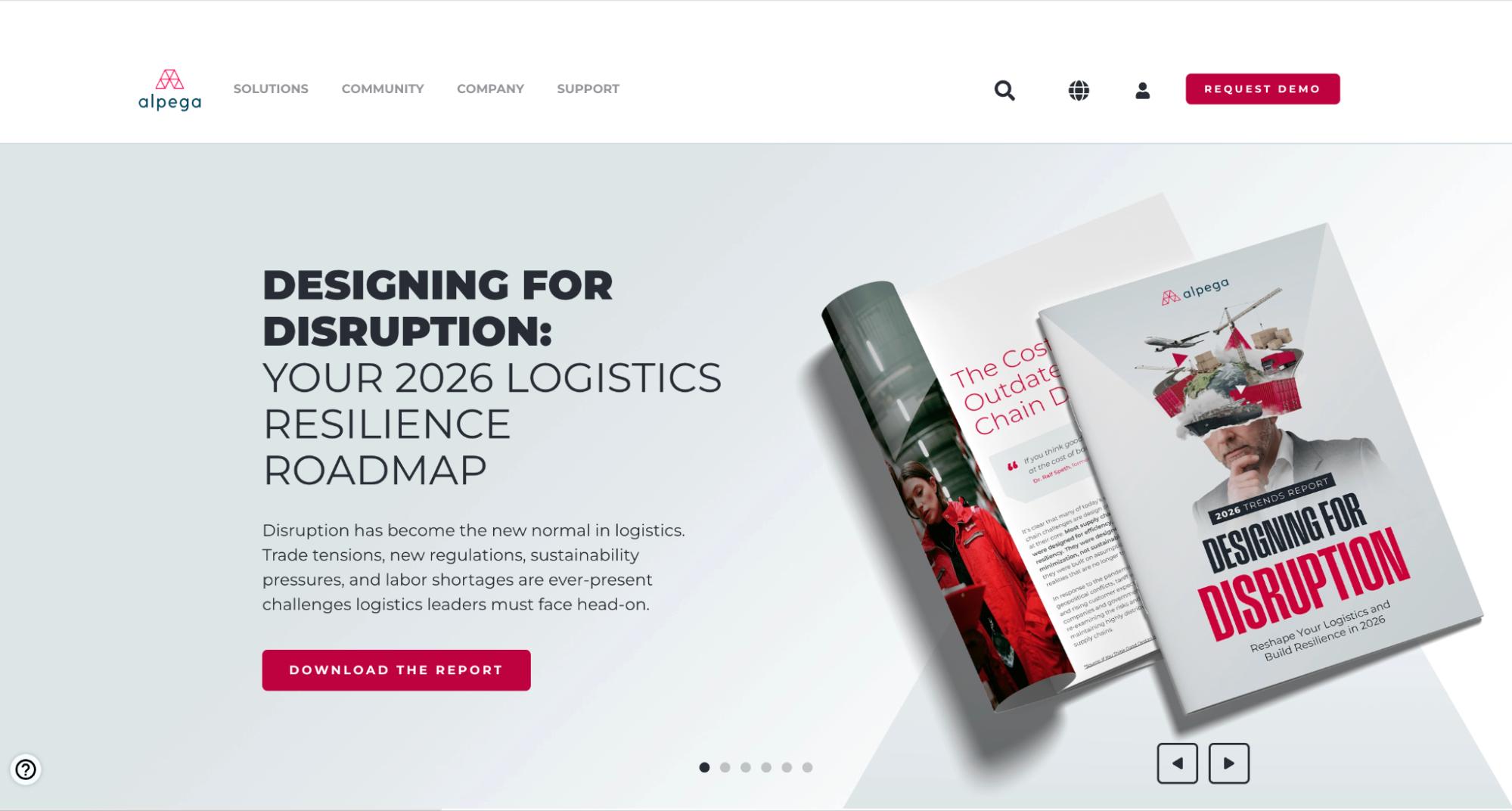
Alpega TMS is a broad transport management system with strong rate and RFQ capabilities. It helps a freight forwarder manage tenders, contracts, and pricing rules across road, sea, and intermodal flows.
The platform supports structured cargo management, linking rates directly to planning and execution. While shipment tracking is available, its real strength lies in cost control and process standardization across the supply chain.
Alpega also supports basic fleet management, which benefits teams handling their own assets alongside subcontractors. Among Freightos alternatives, Alpega suits forwarders that want one system for pricing and operations, rather than a pure booking tool used in the wider shipping sector.
Best for: Freight forwarders that need structured RFQs, contract rate control, and integrated shipping management.
7. BlueBox Systems
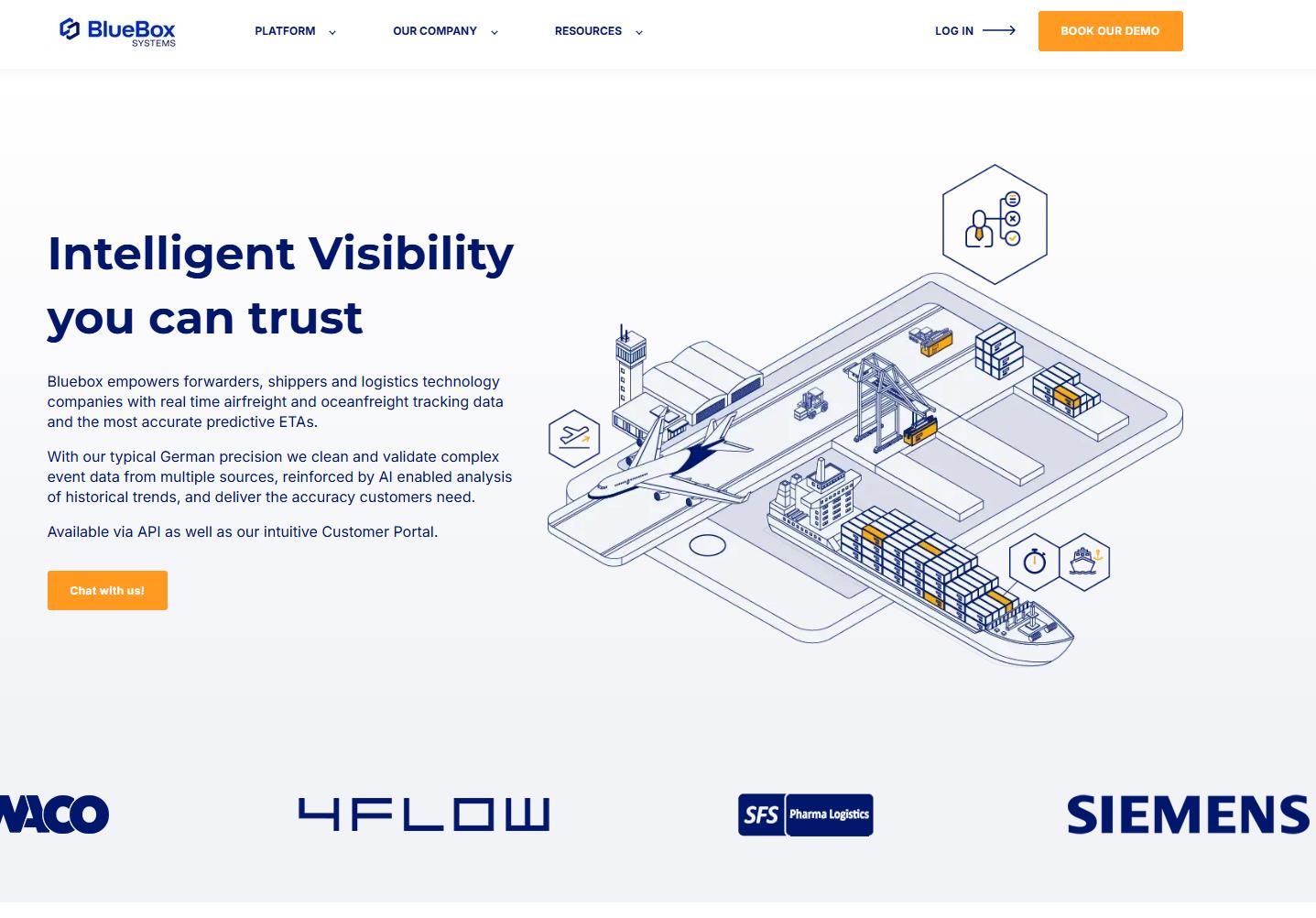
BlueBox Systems focuses on air freight visibility and performance data. It supports a freight forwarder by adding real-time insights into flight status, delays, and capacity risks.
While not a full cargo management platform, it enhances pricing decisions during RFQs by exposing operational reliability across the supply chain. Shipment tracking is detailed and predictive, which helps teams set realistic service levels.
BlueBox integrates well with other tools used by freight forwarders and brokers. As one of the more specialized Freightos alternatives, it adds value before and after pricing, rather than replacing core systems. It fits air-focused teams within the global shipping industry.
Best for: Air freight forwarders that need predictive shipment tracking to support RFQs and service-level commitments.
8. Freightify
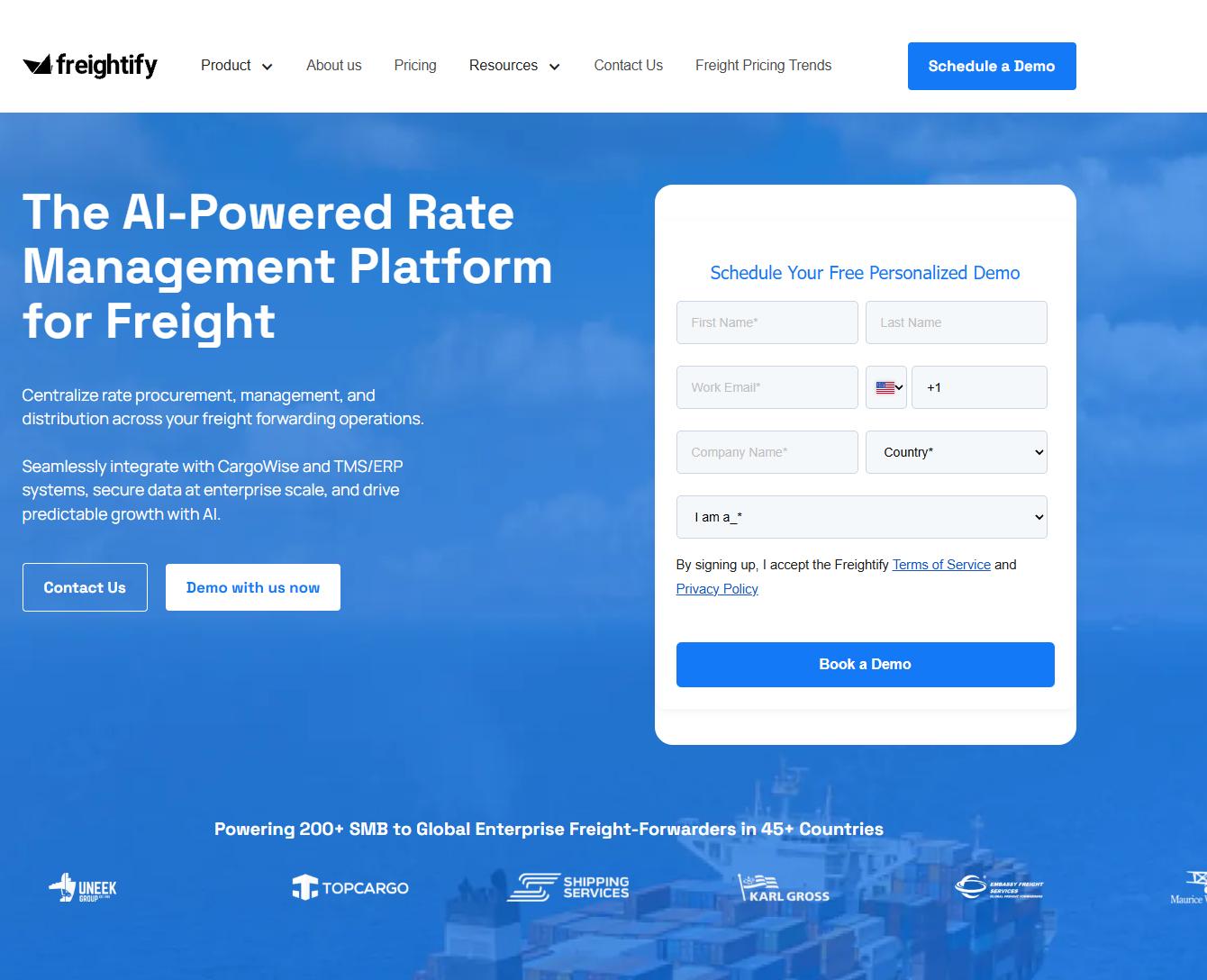
Freightify is designed around rate management and quoting efficiency. It allows freight forwarder companies to centralize carrier rates, automate quotes, and reduce manual pricing work.
The platform supports clean load management at the commercial stage, before execution begins. While shipment tracking is limited, Freightify helps protect margins by applying consistent pricing rules across the distribution network.
It works well for teams that quote often and rely on speed and accuracy to compete. Among Freightos alternatives, Freightify appeals to forwarders that want pricing focus without the overhead of a full TMS. It also fits teams working with multiple freight brokers in competitive lanes.
Best for: Freight forwarders that handle high quote volumes and need fast, consistent RFQ pricing control.
Freightos Alternatives for Shippers and Procurement-Led Teams
Shippers and procurement-led teams need transparency, performance insight, and reliable shipment tracking. Freightos alternatives in this space focus on analytics, cost visibility, and operational efficiency rather than full digital freight forwarding functions. They help procurement teams optimize carrier performance, monitor service levels, and improve supply chain decision-making, providing a clear overview of contracts, carriers, and workflow performance.
9. Transporeon

Transporeon provides a platform for tendering, real-time freight visibility, and carrier collaboration. It helps shippers centralize cargo management, manage contracts, and evaluate carrier performance.
Its shipment tracking is robust, offering alerts and updates across the chain to minimize delays. The platform supports procurement teams in cost optimization and compliance, while also providing data insights for negotiations with brokers.
Transporeon integrates with existing TMS systems, making it flexible for shippers of varying sizes. Among Freightos alternatives, it excels for teams that prioritize transparency, analytics, and consistent execution.
Best for: Shippers and procurement-led teams that need full visibility and control over carrier performance.
10. Kuehne+Nagel SeaExplorer (For Visibility-Driven Use Cases)
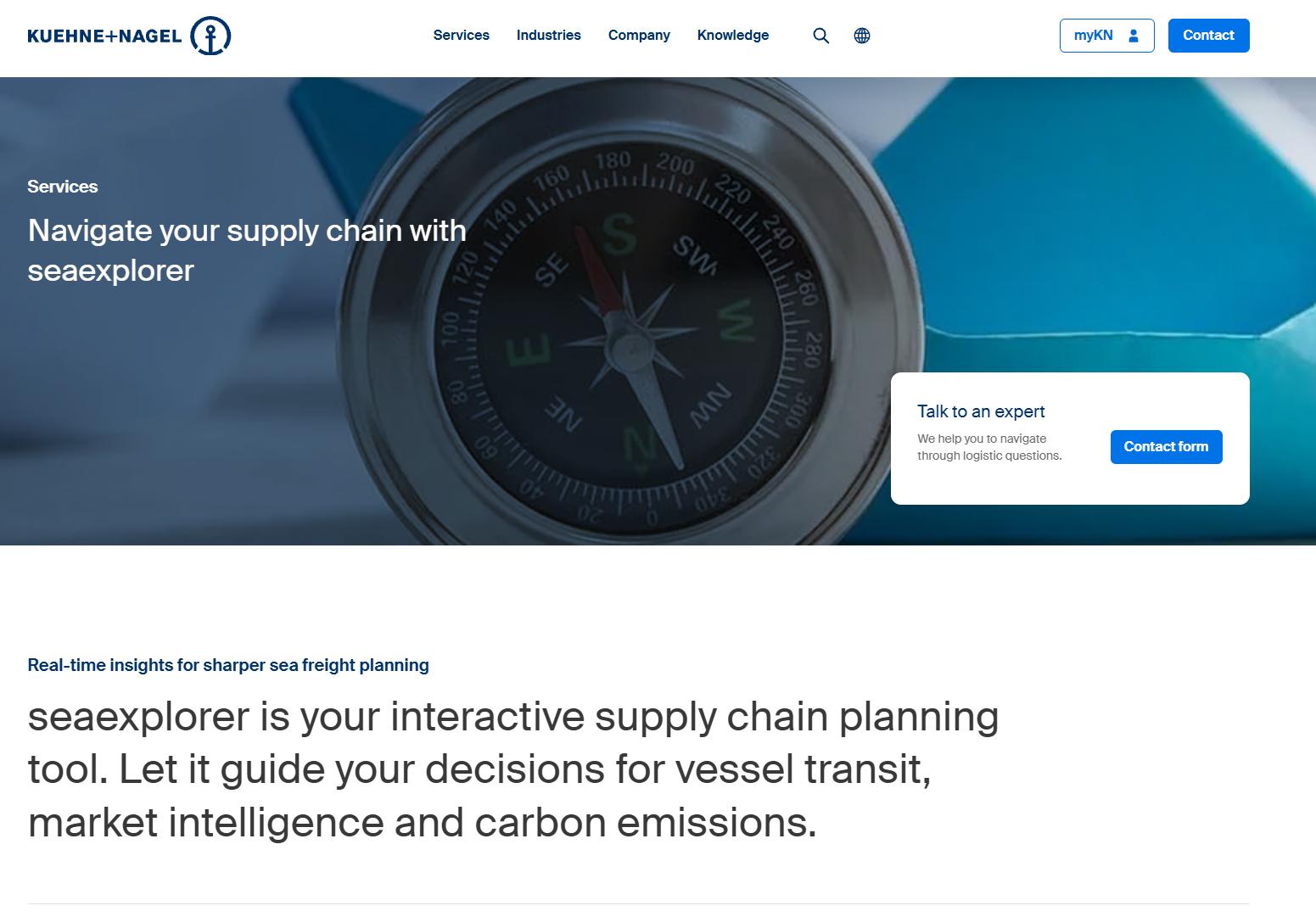
SeaExplorer focuses on ocean freight visibility, offering real-time shipment tracking and detailed status updates across the supply chain. It helps shippers monitor delays, manage exceptions, and collaborate with freight brokers or carriers efficiently.
While not a full digital freight forwarder platform, it enhances shipping management for teams that rely on insight rather than active booking. The system provides predictive analytics, route performance, and alerts, helping procurement-led teams reduce risk and improve operational efficiency in the logistics industry. Among Freightos alternatives, SeaExplorer stands out for visibility-driven operations rather than end-to-end execution.
Best for: Shippers and procurement teams that need detailed real-time visibility and exception management for ocean freight.
Key Factors for Evaluating Freightos Alternatives
Choosing the right Freightos alternatives requires more than comparing features. In the logistics industry, a freight forwarder or shipper must balance cost, visibility, and operational control across the supply chain.
Key factors include how well a platform handles multiple freight modes, the depth of cargo management, support for RFQs, and integration with carriers and brokers. Pricing flexibility, tracking, and API access are equally critical, as is usability for teams adopting new workflows. Here are all the factors, what to look for, and why it matters:
| Factor | What to Look For |
Why It Matters |
| Supported Freight Modes and Trade Lanes | Air, ocean, rail, intermodal, and lane coverage. | Ensures the platform matches your operational footprint and global supply chain needs. |
| Rate Visibility and Pricing Control | Real-time rates, contract management, margin monitoring. | Helps freight forwarders optimize costs and maintain profitability. |
| RFQ Management and Quoting Workflows | Automated quote generation, tendering, and comparison. | Speeds response times and reduces errors in shipping management. |
| Carrier Connectivity and Rate Sources | Integration with carriers and freight brokers. | Increases the accuracy of rates and availability for execution. |
| Customization, Integrations, and APIs | Configurable workflows, TMS/CRM integration. | Supports team-specific processes without disrupting the supply chain. |
| Ease of Use, Onboarding, and Adoption | Intuitive interface, training resources. | Reduces errors and accelerates adoption across operations teams. |
| Pricing Model and Scalability | Subscription, per-shipment, or tiered fees. | Ensures the platform fits the budget and grows with volume. |
| Integration with Existing TMS and CRM Systems | Seamless data exchange and reporting. | Maintains continuity with existing shipping management and tracking processes. |
When to Consider Wisor as an Alternative to Freightos
Forwarders and logistics teams often outgrow basic booking platforms. If you need deeper control over pricing, shipment tracking, and management, Wisor offers more than Freightos alternatives built for shippers. It supports complex workflows, high-volume RFQs, and full visibility across the supply chain, giving teams tools to protect margins and improve efficiency.
- You Need Full Visibility Into Buy and Sell Rates: Wisor centralizes carrier and customer rates, allowing a freight forwarder to compare, analyze, and manage pricing in real time. This visibility protects margins, reduces errors, and supports informed decisions across the whole chain. Unlike simple marketplaces, Wisor tracks rate changes, historical trends, and carrier performance, giving teams confidence in quoting and planning, while integrating with brokers for full transparency.
- RFQs Are a Core Revenue Driver for Your Business: For businesses relying on RFQs, Wisor streamlines the process. Automated quote generation, tendering, and approvals reduce manual work. Tracking and historical rates feed accurate quotes, helping a freight forwarder respond faster and stay competitive. This boosts win rates and strengthens client and broker relationships, making Wisor a high-value tool among alternatives to Freightos.
- Pricing Teams Managing High Quote Volumes Manually: High-volume RFQs can overwhelm teams on basic platforms. Wisor automates rate calculations, consolidates carrier data, and allows batch quoting. This improves management, reduces errors, and speeds supply chain operations. Forwarders handling frequent tenders or complex lanes benefit from full visibility, carrier integration, and reporting, making Wisor a better choice than standard alternatives for manual-heavy workflows.
- You Want More Control Than a Marketplace Model Allows: Marketplace platforms limit customization, margin control, and workflows. Wisor gives a freight forwarder ownership over rate rules, approvals, and client-specific pricing. It supports better management across carriers and works with freight brokers for operational depth. This control improves profitability, reduces disputes, and ensures pricing aligns with the network, making Wisor a strong choice.
- You Need Faster, More Consistent RFQ Turnaround Times: Wisor speeds RFQ response by automating rate retrieval, comparison, and quoting. Teams generate consistent, accurate quotes without manual entry, reducing errors and delays. Tracking and historical rate insights improve decisions for a freight forwarder. This speed enhances client satisfaction, strengthens broker relationships, and makes Wisor a leading option among providers for fast, reliable RFQ management.
Conclusion
Choosing the right platform among Freightos alternatives depends on your team’s focus and operational needs. For freight forwarders, control over rates, RFQs, and shipping management is critical, while shippers and procurement-led teams prioritize visibility and performance tracking across the supply chain.
Platforms like Wisor, GoComet, and CargoX provide deeper insights, automation, and integration than traditional marketplace models, supporting faster, more accurate decision-making.
Evaluating tools for shipment tracking, carrier connectivity, and customization ensures teams can scale efficiently, protect margins, and maintain smooth operations. Selecting the right solution strengthens both competitiveness and operational control in the modern logistics industry.