



VP R&D, Wisor
VP R&D, Wisor
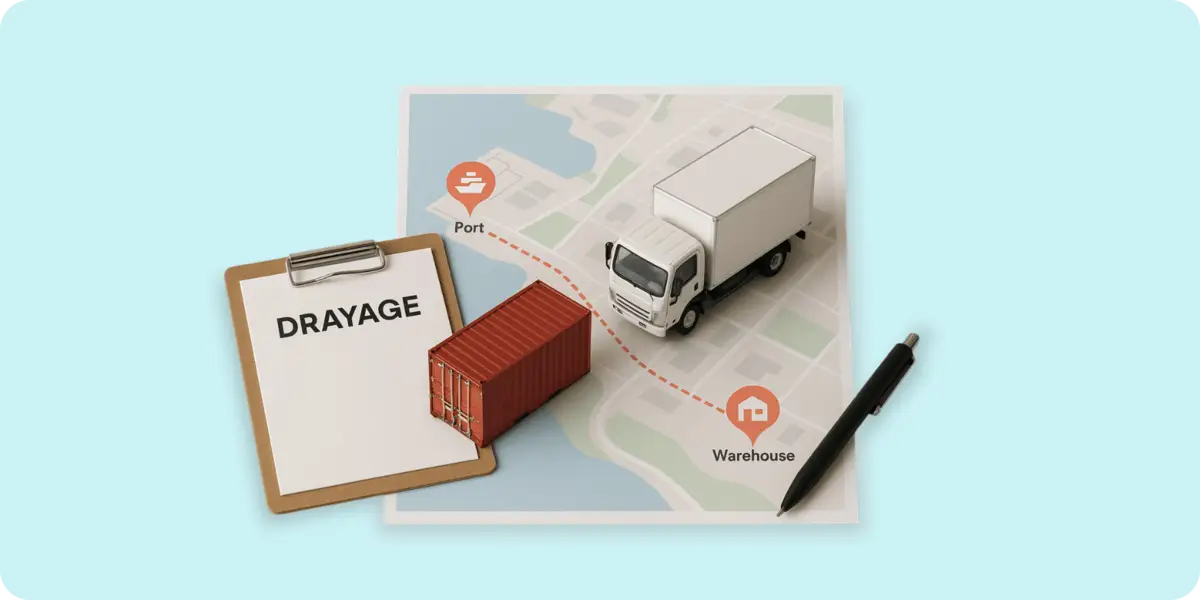
Modern supply chains are complex, multimodal, and span global geographies. It’s not uncommon for goods to move from port to rail to a final destination warehouse, where those goods are further distributed by truck. Drayage handles the short-haul movement between transport modes and carriers. It plays a critical role in connecting major shipping legs like ocean, rail, and truck.
Though often overlooked, drayage is one of the most time-sensitive and operationally challenging legs in intermodal logistics. The challenges stem from coordinating schedules across carriers, transport types, and congested terminals
Drayage is one component of a broader freight movement strategy. Over-the-road, intermodal, and cartage solutions are also extremely common. Each mode serves specific use cases based on distance, cargo type, and infrastructure.
Drayage bridges the gap between long-haul shipping modes – connecting ports, terminals, and warehouses. Left alone, drayage can be a major source of delays, extra costs, and missed delivery timelines. For modern freight forwarders, drayage is a supply chain management opportunity and a prime area for digital transformation and cost-saving optimization.
Drayage is nuanced, often involving multiple service types within a single shipment. In most cases, you’ll leverage several types of drayage services to support intermodal shipping.
This involves moving containers from ports and cargo terminals. You might use the marine container or transfer goods to a domestic container. Here, challenges include tight scheduling constraints and port congestion.
Intra-carrier drayage transfers involve moving containers inside a single carrier’s network, for example, port to rail within the same company. Inter-carrier drayage introduces more complexities, because you must align schedules for different carriers, requiring more careful timing and communication.
Expedited drayage is essential for time-sensitive cargo and just-in-time delivery schedules. Some key scenarios include moving perishable goods or moving containers onto a ship with a scheduled departure time. In either case, expedited drayage moves prioritize speed and minimize idle time.
Door-to-door drayage moves containers directly to the destination, skipping transloading and handling. You may switch to a domestic container first. This is suitable for final destinations within 50-100 miles of the terminal.
Sometimes, containers need to be repositioned before they’re ready for the next leg of their journey – whether within a terminal, between storage areas, or inside a warehouse. In these cases, specialized drayage services handle the internal movement to keep operations running smoothly:
While drayage typically covers short hauls under 100 miles, some carriers extend service across longer urban corridors or between key intermodal hubs when needed.
Drayage pricing varies widely—from a few hundred to several thousand dollars per shipment. Costs are typically based on CWT. Several factors influence total drayage costs, including:
Drayage costs can add up. That’s more true if carriers are sitting at terminals for hours unpaid, waiting to pick up cargo.
Drayage is inherently complex, involving coordination across multiple parties, timelines, loads, and pickup windows. With much of the process still managed manually, it remains prone to inefficiencies like excessive wait times, limited visibility, and terminal congestion.
Improving drayage management reduces freight shipping costs by cutting fees, improving delivery time, and creating opportunities for cargo alignment. Often, that begins with selecting the right carrier and the right software to manage freight.
Drayage is traditionally manual, last-minute, and difficult to track. Freight forwarding technologies are rapidly changing this status quo with the addition of real-time tracking, route optimization, and automatic document handling.
Real-time visibility into cargo status and location enables operational efficiencies and coordination across carriers. Shippers know when to dispatch trucks; carriers know when containers are cleared, improving coordination and speed.
AI optimization leverages proven algorithms to schedule dispatch and pickup, with factors like congestion, clearance, and paperwork processing all included.
Algorithmic route planning takes the full supply chain into account, right-sizing trucks, merging loads, and optimizing routes to minimize fees and delay times.
Wisor’s API-powered platform gives real-time insight into routes, capacity, and cargo location, making it easier to plan and react. For example, rate management systems track real-time costs to enable smarter and better decision-making and scheduling.
Wisor helps freight forwarders simplify and automate the most frustrating part of the supply chain: drayage. With a modern, AI-powered platform, Wisor tackles manual bottlenecks, improves visibility, and reduces port-to-door costs. Here’s how:
“With Wisor, we gained full visibility into our shipments and significantly reduced our quote turnaround time. The automation cut manual work by over 50%.” — Roni Shabtai, COO, Isline
Drayage is a critical but often messy and manual part of moving freight. Aligning schedules and delivery/pickup windows across terminals, carriers, and warehouses is never easy. Drayage remains one of the most manual and cost-variable legs of freight forwarding.
Today, that’s rapidly changing with the introduction of real-time visibility for freight and trucks, cross-carrier and modal data connections, and AI tools to automatically find and connect synergies and opportunities. Real-time insights into cargo location and status, combined with truck and chassis visibility and load matching allow freight managers to seamlessly quote and connect carriers to freight with factors like pickup windows, free time, congestion, and delivery requirements all considered.
Ready to reduce costs and delays in your drayage operations? Schedule a free drayage strategy call and discover how Wisor brings speed, visibility, and automation to every shipment.
VP R&D, Wisor
Learn how automation can streamline your operations, reduce reliance on labor-intensive manual processes, and free up resources


