

Key Takeaways
- Winning RFQs hinges on real-time pricing visibility, clear cost structures, and transparent execution plans, not just low rates. Fast, data-backed quotes earn trust and improve award rates.
- Forwarders should prioritize RFQ win rate over participation. Targeting strategic lanes with accurate pricing and tested carrier capacity leads to higher margins and stronger shipper relationships.
- Shorter timelines, volatile lane pricing, and demand for rate transparency make manual quoting unsustainable. Automation reduces errors, speeds up responses, and improves quote reliability.
- Common pitfalls like fragmented data, manual calculations, and inconsistent margin targets hurt win rates. Standardized workflows and cross-team alignment are critical for quoting success.
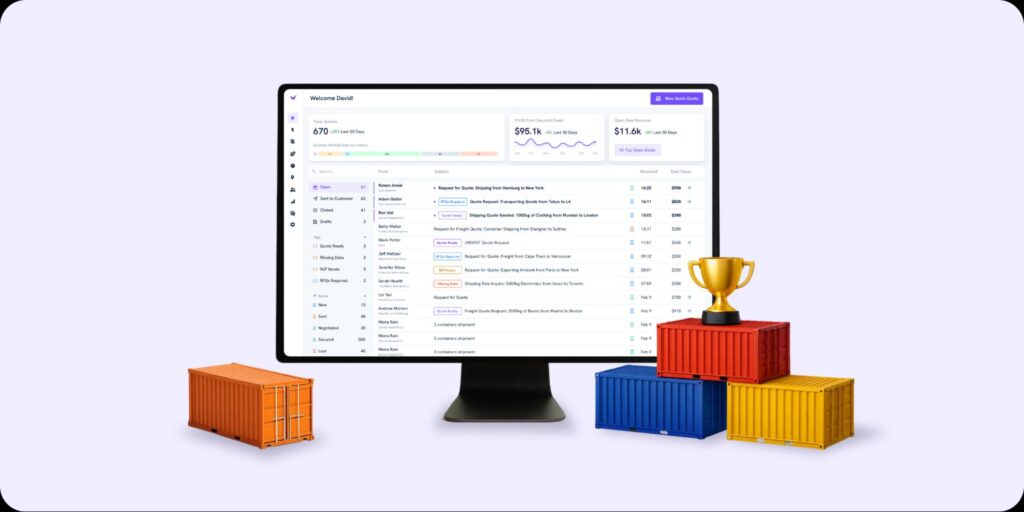
- Wisor improves RFQ performance by centralizing rate data, automating lane-level pricing, and providing live margin visibility, reducing quote turnaround by up to 85% and boosting conversion rates.
What Is Winning Freight RFQs?
Winning freight RFQs is about more than simply offering the lowest price to secure new business. In today’s volatile market, 84% of Chief Supply Chain Officers (CSCOs) cite a lack of visibility as their biggest challenge in managing supply chain disruptions. This means that winning an award often depends on providing a quote that reflects real-time freight costs, a clear service scope, and a documented understanding of delivery risks.
Shippers prioritize speed and transparency because they need pricing they can trust for their long-term planning. For freight forwarders, winning RFQs starts with this same visibility. Teams need a centralized view of base rates, surcharges, and accessorials before they respond. Without this digital foundation, pricing relies on guesswork, which leads to rework, margin erosion, and missed bids.
By automating the freight rate management workflow, forwarders can reduce manual effort and significantly lower the risk of pricing errors. Ultimately, how freight forwarders win more RFQs comes down to providing quotes that reflect real market conditions and support stable execution across daily logistics operations.
RFQ Win Rate vs RFQ Participation
Freight forwarders measure their success by how many RFQs they answer. Measurable results create the feeling of progress, but this often hides weak pricing and poor lane fit. Real improvement comes from focusing on RFQ win rate, where pricing, capacity, and execution align with real freight costs and daily logistics operations. Below is a table comparing RFQ participation and RFQ win rate:
|
Aspect |
RFQ Participation |
RFQ Win Rate |
| What It Really Measures | Tracks how active the team is and how many RFQs enter the pipeline, without showing whether the quotes are competitive or realistic. | Shows how often pricing, service scope, and execution actually meet shipper expectations. |
| Pricing Approach | Prices are often rushed, based on partial data, or copied from old lanes without full cost review. | Prices are derived from digitized contract data, incorporating real-time accessorials and historical lane-risk factors. |
| Carrier Usage | Quotes pull from many options, even when capacity is untested or unstable. | Uses fewer carriers with known performance and consistent rates. |
| Effect on Margins | High risk of underpricing, repricing after award, or margin erosion. | Margins remain stable because costs are understood before quoting. |
| Impact on Teams | Sales and pricing teams stay busy but reactive, with constant follow-ups and revisions. | Teams focus on fewer RFQs with higher confidence and less rework. |
| Value to Shippers | Creates uncertainty and frequent post-award changes. | Builds trust and supports stable supply chain operations. |
| Long-Term Outcome | Growth in activity without real improvement in results. | Higher win rates, repeat awards, and stronger freight forwarding relationships. |
Why Freight RFQs Are Getting Harder to Win
Many forwarders find RFQs harder to win. This is because the RFQ process has changed in pace, structure, and expectations. Shippers now run tighter evaluations, compare more bids, and demand clear reasoning behind every price submitted. For freight forwarders, this means pricing must reflect real freight costs, support reliable execution, and align with growing pressure across the supply chain.
Increasing Pricing Volatility Across Lanes
Lane pricing now changes faster than most quoting cycles. Fuel swings, capacity shifts, and carrier behavior push costs up and down with little warning. For freight forwarders, this makes static pricing extremely risky. For example, a rate that works today may fail next week. Without visibility into live data, teams either overprice and lose the RFQ or underprice and lose margin.
Volatility also affects operations, since unstable rates can often lead to replanning after award. Forwarders that track lane trends and limit exposure through fewer carriers can respond with prices that stay competitive and realistic at the same time.
Shorter RFQ Timelines From Shippers
Another important aspect is that shippers now expect faster answers with no loss in accuracy. RFQ windows that once lasted weeks now close in days. This puts pressure on logistics operations and pricing teams to move fast without errors.
For freight forwarding, speed without data leads to weak quotes. Teams reuse old rates, skip cost checks, or ignore risk. That hurts win rates and trust. Faster timelines reward forwarders who already understand their lanes, carrier mix, and freight procurement limits. When pricing inputs are ready before the RFQ arrives, response speed becomes an advantage instead of a liability.
Higher Expectations for Pricing Transparency
Shippers no longer accept a single number with no explanation. They want to know what drives the price and where risks sit. This shift affects how freight forwarders present quotes.
Transparent pricing shows base rates, surcharges, and assumptions tied to real costs. It also supports better supply chain planning on the shipper side. Forwarders that hide details face more questions, delays, and lost trust. Clear pricing logic helps shippers compare offers and rewards forwarders who understand their own cost structure and operations.
Pressure to Commit to Stable Rates
Many RFQs now ask for longer rate validity, even in unstable markets. This creates tension for freight forwarders who face volatile inputs but must still commit. Stable rates require control, not hope. That means using fewer carriers, clear volume assumptions, and tight cost tracking. Without this, rate commitments turn into margin loss or renegotiation.
Forwarders who manage this well support smoother supply chain operations and stand out during evaluation. Stability signals reliability, which matters as much as price in modern freight forwarding decision-making.
Why Winning More RFQs Is Critical for Freight Forwarders
Winning more RFQs is not just a numbers game. For freight forwarders, each awarded quote directly affects their revenue, operations, and long-term growth. The ability to consistently convert RFQs into wins drives more stability, improves margins, and also strengthens relationships with shippers. Key benefits include:
- Revenue Predictability: Frequent wins allow forwarders to forecast income more accurately. When quotes convert more reliably, teams can plan staffing, equipment, and cash flow with confidence. This reduces the uncertainty that often plagues their operations and supports sustainable growth.
- Lane-Level Profit Control: Winning selectively lets forwarders properly manage rates per lane. By tracking freight costs and carrier performance, teams can ensure each route remains profitable. This avoids the common trap of overextending low-margin lanes just to hit volume targets.
- Predictable Margins Across Accounts: Consistent RFQ wins create stable margins for key accounts. Forwarders can plan supply chain operations around reliable rates, avoiding last-minute adjustments or losses. This stability benefits both the forwarder and the shipper, creating a smoother operational flow.
- Long-Term Shipper Retention: Reliable performance builds trust. Forwarders who win RFQs with transparent pricing and dependable execution encourage shippers to consolidate lanes, award more business, and maintain long-term partnerships. This reinforces their freight forwarding reputation.
- Stronger Competitive Positioning: High RFQ win rates signal strength to the market. Forwarders with proven accuracy, fast response, and transparent pricing gain an edge over competitors. They can leverage their track record to attract premium lanes, reduce reliance on spot pricing, and optimize freight procurement strategies.
In general, winning more RFQs transforms activity into a strategic advantage, turning freight forwarding from reactive quoting to predictable, profitable growth.
KPIs to Track RFQ Performance and Conversion
Tracking RFQ success goes beyond counting wins. For freight forwarders, clear KPIs help teams understand what drives results, reveal gaps in pricing or execution, and guide strategy. Monitoring the right metrics through freight automation tools allows for smarter freight forwarding, and consistent improvement in both margin and volume.
RFQ Win Rate by Lane and Customer
Not all lanes or customers perform the same. Measuring RFQ win rate by lane and by customer reveals where freight forwarders excel or struggle. Some lanes may show high wins but low profitability due to excessive freight costs, while others with fewer awards may be more strategic. Understanding these differences helps teams optimize carrier selection, prioritize quotes, and focus on high-value opportunities.
Margin vs Win Rate Trade-Off Analysis
Winning RFQs is important, but winning at the wrong margin hurts the business. Forwarders need to balance costs against competitive pricing. Tracking margin against win rate highlights when aggressive pricing erodes profits or when conservative quotes miss opportunities. Teams can adjust strategies, focusing on lanes and accounts where both profitability and win rate are achievable.
Continuous Feedback From Award and Loss Data
Every RFQ, won or lost, provides valuable information. Tracking reasons for wins and losses gives insights into pricing accuracy, carrier reliability, and service perception. Forwarders can refine pricing models, improve logistics operations, and better align quotes with shipper expectations.
Response Time vs. Close Rate Correlation
Speed also matters in this business. Measuring how response time affects RFQ close rate reveals whether faster quotes improve wins or if rushed pricing harms margins. For freight forwarders, balancing speed with accuracy ensures teams can answer RFQs quickly without sacrificing insight into freight costs or operational feasibility.
Common Pricing Challenges That Hurt RFQ Win Rates
For freight forwarders, winning RFQs depends on pricing accuracy and speed. Even small errors or delays can turn a competitive quote into a lost opportunity. Identifying and addressing common pricing challenges is essential to improve win rates, maintain healthy margins, and strengthen freight forwarding performance across the supply chain.
- Fragmented Cost and Rate Data Across Teams: When freight costs and rate information are scattered across departments or spreadsheets, teams struggle to provide consistent and accurate quotes. Misaligned data increases errors, slows responses, and reduces competitiveness. Fragmentation also makes it hard to track past lane performance, limiting insights into profitable opportunities and repeatable success.
- Manual Lane-Level Rate Calculations: Calculating rates manually for each lane wastes time and introduces mistakes. Forwarders may overlook accessorials, seasonal variations, or fuel adjustments. Manual methods also hinder scalability, preventing teams from responding quickly to high RFQ volumes and reducing overall logistics operations efficiency.
- Inconsistent Margin Targets: Without standard guidelines, some RFQs are underpriced while others are overly conservative. Inconsistent margins undermine profitability, confuse freight procurement planning, and make it harder to maintain stable supply chain operations.
- Delayed Pricing Approvals and Rework: Slow approval processes force teams to rush or revise quotes at the last minute. Delays reduce response speed, frustrate shippers, and increase the risk of lost RFQs. Streamlined approvals allow forwarders to respond quickly with accurate, competitive pricing.
Proven Strategies to Improve RFQ Win Rates
Winning more RFQs requires more than reactive quoting. Freight forwarders need structured approaches that combine data, process, and communication. Implementing proven strategies ensures competitive pricing, faster responses, and stronger supply chain operations.
These methods reduce errors, clarify value for shippers, and turn insights into repeatable wins. The table below summarizes key strategies and their impact.
|
Strategy |
Description |
Impact on RFQ Wins |
| Lane-Specific Value Messaging | Tailor quotes to highlight benefits for each lane, showing why your service adds value beyond price. | Builds trust, differentiates from competitors, and increases win likelihood. |
| Structured Post-RFQ Follow-Up | Systematically review lost and won RFQs, engaging with shippers for feedback and clarification. | Improves future quotes, strengthens relationships, and informs pricing strategy. |
| Sales Ownership of RFQ Outcomes | Assign responsibility for results to sales teams, ensuring accountability for both pricing and follow-up. | Encourages proactive management, faster responses, and alignment with shippers. |
| Tracking RFQ Win/Loss Reasons | Record why each RFQ is won or lost, including pricing, service, or timing factors. | Provides actionable insights for refining freight forwarding strategy and improving logistics operations. |
| Data-Backed, Defensible Pricing | Use real-time data on costs and lane analytics to support each quote. | Reduces errors, improves confidence, and justifies pricing to shippers. |
| Consistent Quote Structures Across Lanes | Standardize formats, inclusions, and assumptions for all RFQs. | Simplifies evaluation for shippers, speeds approval, and reduces internal confusion. |
| Stronger Alignment Between Sales and Pricing Teams | Ensure both teams collaborate on strategy, rates, and lane selection. | Improves accuracy, response time, and repeatable wins. |
What Shippers Look for When Evaluating RFQs
Winning RFQs isn’t just about offering the lowest price. Shippers evaluate multiple factors to ensure reliability, predictability, and value. For freight forwarders, understanding these expectations is critical to improving win rates and building long-term partnerships.
Insight into what drives shippers’ decisions allows teams to craft quotes that balance competitive pricing, operational capability, and trust across the supply chain.
- Pricing Transparency and Cost Breakdown: Shippers want to see exactly what drives the quoted rate. Clear breakdowns of base freight costs, surcharges, and assumptions make quotes defensible and easier to compare. Forwarders who provide transparent pricing demonstrate credibility and reduce post-award disputes.
- Speed and Reliability of Response: Fast, accurate responses signal professionalism. Delayed or incomplete quotes lower confidence and often lead to lost opportunities. Shippers reward forwarders who can deliver reliable quotes quickly without sacrificing accuracy in their operations.
- Lane and Market Expertise: Knowledge of specific lanes, carriers, and market trends reassures shippers. Expertise allows forwarders to anticipate challenges, optimize freight procurement, and propose realistic, competitive rates.
- Cost Stability Over the Contract Term: Shippers prefer predictable costs. Forwarders who can offer stable pricing, even in volatile markets, are building trust and increasing the likelihood of an award.
- Operational Reliability and Execution History: Past performance matters. Forwarders with a record of on-time deliveries, accurate documentation, and minimal disruptions signal low risk, which heavily influences RFQ win rates.
Freight RFQ Process for Freight Forwarders
Winning RFQs consistently requires a structured approach. For freight forwarders, following a disciplined process ensures accurate pricing, faster responses, and higher win rates. Each step, starting from qualification to post-award analysis, is helping teams align quotes with market realities, manage costs, and support smoother operations.
RFQ Qualification and Prioritization
Not every RFQ deserves the same attention. Forwarders start by assessing the lane, customer, volume, and timing to decide which opportunities to pursue. Prioritizing high-value or strategic RFQs ensures resources focus on the quotes most likely to succeed. This reduces wasted effort, avoids rushed pricing, and supports more consistent freight forwarding results.
Proper qualification also identifies lanes where fewer carriers may offer an advantage, improving competitiveness and long-term profitability.
Lane, Volume, and Service Review
Understanding the lane, shipment volume, and service requirements is critical before quoting. Forwarders evaluate historical performance, carrier capacity, and operational constraints to confirm feasibility.
This step ensures quotes reflect realistic freight pricing and service levels, preventing underpricing or overpromising. Accurate lane analysis strengthens relationships and helps forwarders align pricing with market conditions.
Cost Modeling and Rate Creation
Forwarders calculate rates based on base costs, accessorials, fuel, and market trends. Using structured cost models ensures pricing is defensible and transparent. Accurate rate creation supports both freight procurement decisions and margin control, helping forwarders submit competitive quotes without sacrificing profitability or operational reliability.
RFQ Submission and Version Control
Submitting quotes with consistent formats and tracked versions prevents confusion. Maintaining version control ensures updates, revisions, or corrections are properly communicated to shippers. This improves response speed, avoids errors, and builds trust in freight forwarding performance.
Award Analysis and Feedback Capture
After RFQs close, teams analyze wins and losses. Collecting feedback from shippers clarifies why quotes succeeded or failed.
These insights refine pricing models, improve supply chain operations, and increase future RFQ win rates. Continuous feedback transforms data into actionable improvements for forwarders.
How Wisor Improves RFQ Win Rates With Faster, More Accurate Pricing
For freight forwarders, speed and accuracy in pricing are critical to winning RFQs. Wisor, through its AI-driven rate management and quoting platform, streamlines this process by turning complex data into actionable insights that improve freight forwarding outcomes. By centralizing workflows and providing clear visibility, teams can respond faster, quote confidently, and maintain consistent margins.
- Centralized RFQ and Pricing Workflows: Wisor brings all RFQ data, lane information, and pricing inputs into a single platform. This eliminates fragmentation, reduces errors, and ensures all teams have access to the same up-to-date information for competitive, reliable quotes.
- Faster Lane-Level Rate Creation: Automated tools and prebuilt templates allow forwarders to generate rates for multiple lanes quickly. This reduces manual calculations, accelerates response times, and improves RFQ win rates by enabling fast, accurate submissions.
- Real-Time Cost and Margin Visibility: Wisor provides live insights into freight costs, carrier performance, and margin impact. Forwarders can adjust quotes on the fly, ensuring profitable bids while remaining competitive.
- Consistent Pricing Across Sales Teams: Standardized structures and shared data prevent discrepancies between team members, promoting transparency and reliable logistics operations.
- Better Decision-Making on Which RFQs to Pursue: With analytics and historical performance, forwarders can prioritize high-value or strategic RFQs, focusing efforts where wins and margins are most achievable.
- Unstructured Data Handling: Wisor’s core advantage is its ability to automatically extract and normalize complex rate sheets from carriers. This turns weeks of manual data entry into a searchable, digital catalog, allowing teams to respond to RFQs in hours instead of days.
Conclusion
Winning RFQs consistently requires more than quick quotes. Winning demands accurate, transparent, and data-driven pricing. Freight forwarders who invest in visibility, structured processes, and alignment between sales and pricing teams improve RFQ win rates, protect margins, and strengthen their operations.
Tools like Wisor centralize workflows, enable faster lane-level rate creation, and provide real-time insights into freight costs and profitability. By prioritizing high-value opportunities, maintaining consistent quote structures, and capturing post-award feedback, forwarders can turn every RFQ into a strategic advantage, build long-term shipper trust, and position themselves competitively in a challenging market.