

Key Takeaways
- Collect complete shipment data, standardize templates, and compare multiple carriers to reduce pricing errors and speed up quote turnaround.
- Centralize carrier rates, use historical lane data, and integrate real-time APIs to improve pricing accuracy and eliminate outdated or inconsistent quotes.
- Track metrics like quote-to-booking rate, response time, and margin accuracy to identify gaps and continuously improve quoting performance.
- Include all cost drivers, locations, dimensions, freight class, service level, and accessorials to avoid underpricing and unexpected charges.
- Wisor automates rate retrieval, centralizes data, and uses AI-driven pricing insights to generate faster, more accurate quotes while improving margins and team efficiency.
What Is Freight Quoting in Modern Logistics Operations
Freight quoting is the process of calculating the cost to move goods from one point to another across a supply chain. It brings together key factors such as distance, freight class, weight, dimensions, fuel costs, and carrier rates.
In modern logistics, this process relies on digital tools and real-time data to deliver fast and accurate pricing. Freight brokers and forwarders use software to compare multiple carriers, check capacity, and adjust rates based on market conditions.
Clear and consistent freight quoting best practices help teams avoid pricing errors and reduce delays. When done right, freight quoting supports better planning, stronger margins, and faster response times for both clients and logistics providers.
Why Accurate Freight Quotes Matter for Shippers and Brokers
Accurate pricing sits at the core of strong logistics work. A small error in a quote can lead to lost profit, delays, or damaged client trust. Both shippers and brokers rely on clear numbers to plan loads, manage budgets, and keep operations smooth. This is where solid freight quoting best practices make a real impact.
- Prevents Unexpected Shipping Costs: Accurate quotes reduce the risk of extra charges after shipment. When weight, size, and accessorials get calculated right from the start, both sides avoid costly surprises.
- Builds Trust with Customers and Partners: Consistent pricing builds long-term trust. Clients feel more confident when quotes match final invoices, which leads to repeat business and stronger partnerships.
- Improves Operational Efficiency: Clear and precise quotes cut down on back-and-forth. Teams spend less time fixing errors and more time moving freight.
- Helps Maintain Competitive Pricing: Accurate data helps brokers stay competitive without underpricing. It allows them to win loads while still protecting their margins.
Core Freight Quoting Best Practices for Logistics Teams
Strong pricing starts with a clear process. Teams that follow structured steps make fewer mistakes and respond faster to clients. In a market where rates shift often, consistent execution matters as much as good data. These freight quoting best practices help logistics teams stay accurate, efficient, and competitive:
- Collect Complete Shipment Data Before Generating Quotes: Accurate quotes depend on full shipment details. Teams should confirm weight, dimensions, freight class, pickup and delivery locations, and any special requirements before pricing.
- Standardize Quote Templates and Pricing Rules: A consistent format reduces errors and saves time. Standard templates ensure that every quote includes the same key fields, while fixed pricing rules keep margins under control.
- Compare Multiple Carrier Rates Before Finalizing Quotes: Checking several carriers helps teams find the best balance between cost and service. This step improves accuracy and prevents missed savings.
- Define Consistent Quote Validity Periods: Rates change fast. Clear validity windows protect margins and set the right expectations with clients.
- Track Market Rate Changes Across Key Shipping Lanes: Freight rates shift based on demand, fuel, and capacity. Teams that monitor key lanes can adjust quotes in real time and avoid underpricing.
Data and Rate Management Best Practices for Freight Quoting
Accurate quotes depend on strong data control. When rate data sits in different places or goes out of date, pricing errors rise fast. Logistics teams need a clear system to store, update, and use rate data in real time. These steps support better decisions and align with proven freight quoting best practices:
1. Maintain Centralized Carrier Rate Databases
A centralized database gives every team member access to the same pricing data at all times. This includes contract rates, spot rates, fuel surcharges, and accessorial fees. When data lives in one system, teams avoid version conflicts and outdated quotes. It also reduces manual entry, which lowers the risk of human error. Over time, a clean and well-maintained database becomes a reliable foundation for fast and consistent quoting across all shipments and lanes.
2. Use Historical Lane Pricing to Benchmark Quotes
Historical lane data helps teams understand what a shipment should cost based on past moves. By reviewing similar shipments, logistics teams can identify patterns in pricing, seasonal shifts, and carrier behavior. This makes it easier to set realistic expectations and avoid large pricing gaps. It also supports smarter negotiations with carriers. Using past data as a benchmark is a key part of freight quoting best practices, as it adds context and improves overall pricing accuracy.
3. Integrate Real-Time Carrier Rate APIs
Real-time rate APIs connect quoting systems directly with carrier data sources. This allows teams to pull live pricing, capacity updates, and transit times without manual checks. As a result, quotes reflect current market conditions instead of outdated estimates. This improves both speed and accuracy, which is critical in fast-moving logistics environments. API integration also supports automation, which helps teams scale operations while still following strong freight quoting best practices.
4. Monitor Spot Market Trends for Dynamic Pricing
The spot market changes based on supply, demand, fuel costs, and seasonal trends. Teams that track these shifts can adjust pricing before issues arise. For example, rising demand on a key lane may require higher rates to secure capacity. On the other hand, low demand may create chances to offer more competitive pricing. Monitoring these trends helps teams stay flexible and protect margins while still delivering accurate and timely quotes.
Performance Metrics That Support Freight Quoting Best Practices
You can’t improve what you don’t track. Strong logistics teams rely on clear metrics to measure how well their pricing performs. These numbers show where quotes miss the mark and where processes need work. When teams track the right data, they can refine their approach and stay aligned with proven freight quoting best practices.
|
Metric |
What It Measures |
Why It Matters |
| Quote-to-Booking Conversion Rate | The percentage of quotes that turn into confirmed shipments | A high rate shows that pricing is accurate and competitive. A low rate may signal overpricing, slow response times, or poor carrier selection. |
| Average Quote Response Time | The time it takes to send a quote after a request | Faster responses increase the chance of winning business. Delays often lead customers to choose another provider. |
| Freight Margin Accuracy | The difference between expected and actual profit per shipment | This metric helps teams see if they price correctly. Poor accuracy can lead to lost profit or uncompetitive rates. |
| Carrier Cost Versus Customer Price Tracking | The gap between what the carrier charges and what the customer pays | Tracking this gap ensures that margins stay healthy. It also helps teams adjust pricing when carrier costs change. |
Key Components of an Accurate Freight Quote
An accurate freight quote depends on clear and complete inputs. Even small gaps can lead to pricing errors, delays, or lost margin. Teams that follow structured steps and focus on detail, stay consistent and avoid surprises. This is a key part of strong freight quoting best practices, where each component plays a direct role in the final price.
- Origin and Destination Details: Accurate pickup and delivery addresses set the base for pricing. Teams should include full locations, postal codes, and any special constraints like limited access or delivery windows. These factors can affect both route planning and cost.
- Shipment Weight, Dimensions, and Freight Class: Weight and size determine how much space a shipment takes, while freight class affects pricing in LTL shipping. Incorrect data can lead to reweighing fees or class changes, which increase costs.
- Transportation Mode and Service Level: The chosen mode, for example, truckload, LTL, air, rail, or ocean impacts both cost and speed. Service level, such as standard or expedited, also changes pricing and must match the customer’s needs.
- Carrier Base Rates and Contract Pricing: Carrier rates come from contracts or current market conditions. Using the correct rates ensures the quote reflects real costs and protects margins.
- Fuel Surcharges and Accessorial Charges: Extra fees like fuel, liftgate service, detention, or residential delivery must be included. Missing these costs often leads to underpriced quotes and reduced profit.
Common Challenges That Disrupt Freight Quoting Best Practices
Even the best processes can face obstacles. Identifying these challenges helps teams prevent errors and maintain consistent pricing. Understanding what can go wrong is essential to keeping quotes accurate, timely, and aligned with freight quoting best practices.
- Incomplete or Incorrect Shipment Information: Missing or inaccurate details like weight, dimensions, freight class, or delivery restrictions can throw off pricing. Quotes based on incomplete data often require corrections, slowing response times and risking margin loss.
- Rate Volatility in Spot Freight Markets: Spot market rates fluctuate frequently due to demand, capacity, and fuel costs. Without up-to-date data, quotes may become outdated quickly, leading to either overpricing or underpricing shipments.
- Fragmented Carrier Rate Sources: When rate information lives across multiple systems or spreadsheets, teams risk using outdated or inconsistent data. This fragmentation increases errors and makes it harder to standardize quotes across shipments.
- Manual Pricing Errors and Calculation Mistakes: Hand-calculated quotes are prone to mistakes, from simple math errors to applying the wrong accessorial charges. Automation and structured processes help reduce these risks and maintain consistency.
Technology That Enables Scalable Freight Quoting
Technology plays a crucial role in improving accuracy and speed in freight quoting. Modern logistics teams rely on software tools to manage data, connect with carriers, and automate pricing. Adopting the right solutions supports consistent freight quoting best practices and allows teams to scale operations without sacrificing accuracy.
|
Technology |
Key Function |
Benefits for Freight Quoting |
| Transportation Management Systems (TMS) | Centralizes shipment planning, routing, and execution | Streamlines operations, ensures consistent data, and reduces manual errors in quotes |
| Freight Rate Management Platforms | Stores and updates carrier rates and contracts | Provides a single source of truth, enabling accurate, up-to-date quotes across all lanes |
| Carrier API Integrations | Connects systems directly to carriers for live rates and capacity | Delivers real-time pricing, faster response times, and more competitive quotes |
| AI-Based Freight Pricing Automation | Uses algorithms to calculate optimal pricing based on historical and real-time data | Improves speed, accuracy, and consistency while reducing human errors and labor-intensive tasks |
How Wisor Supports Accurate Freight Quoting with AI Automation
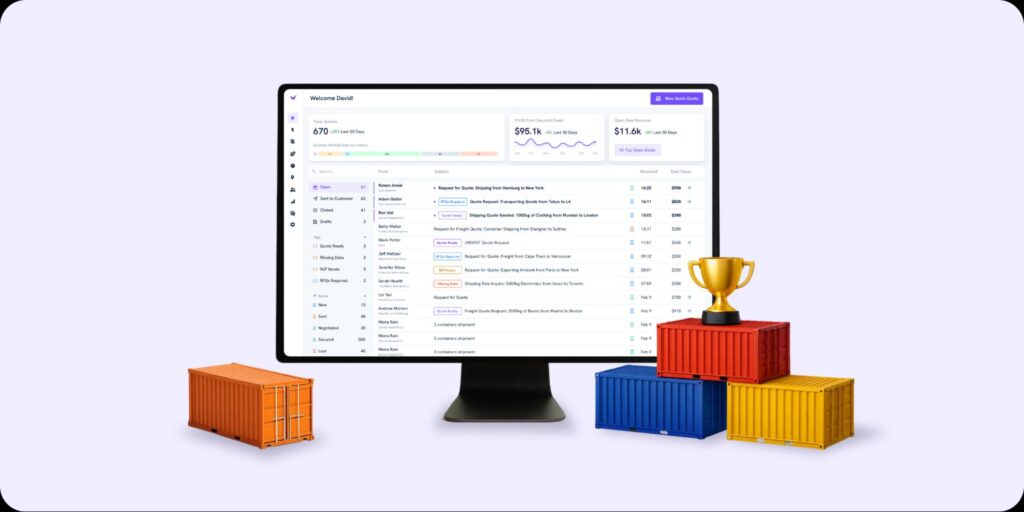
Wisor leverages AI to streamline freight quoting, reduce errors, and improve response times. By combining automation with centralized data, it helps logistics teams follow freight quoting best practices, while scaling operations efficiently.
- Automated Freight Rate Retrieval Across Carrier Networks: Wisor pulls current rates from multiple carriers automatically, ensuring quotes always reflect real-time market conditions without manual checks.
- AI-Based Pricing Insights for Competitive Quotes: The platform analyzes historical and market data to suggest optimal pricing, helping teams stay competitive, while protecting margins.
- Centralized Carrier Rate and Contract Data Management: All carrier rates, contracts, and accessorial fees are stored in one place, reducing errors and ensuring consistency across quotes.
- Faster Quote Generation for Logistics Teams: Automation speeds up the quoting process, allowing teams to respond quickly to requests and win more business.
- Real-Time Visibility Into Freight Costs and Margins: Wisor provides instant insights into costs versus customer pricing, helping teams maintain profitability and make informed decisions.
Conclusion
Accurate freight quoting depends on reliable data, structured processes, and timely execution. Teams that follow established freight quoting best practices reduce errors, protect margins, and improve customer trust. Technology like Wisor enables automation, real-time insights, and centralized rate management, making quotes faster and more precise. By combining strong processes with smart tools, logistics teams can stay competitive, respond quickly to requests, and ensure profitability while maintaining consistent, high-quality service across all shipments.