Key Takeaways
- A freight software onboarding checklist structures system setup, from user roles and integrations to rate management and workflow automation, so teams avoid quoting, billing, and tracking errors before going live.
- Structured onboarding ensures carrier rates, fuel formulas, and accessorial charges load correctly and are tested with sample quotes, reducing revenue leakage and protecting margins.
- Before implementation, audit current quote-to-invoice workflows, clean carrier rate data, define KPIs, and map integrations to remove manual tasks and support measurable operational improvements.
- Validate migrated rate tables, pricing rules, and historical shipment data, then run controlled quote tests and sandbox shipments to catch pricing gaps, workflow failures, or integration issues before full launch.
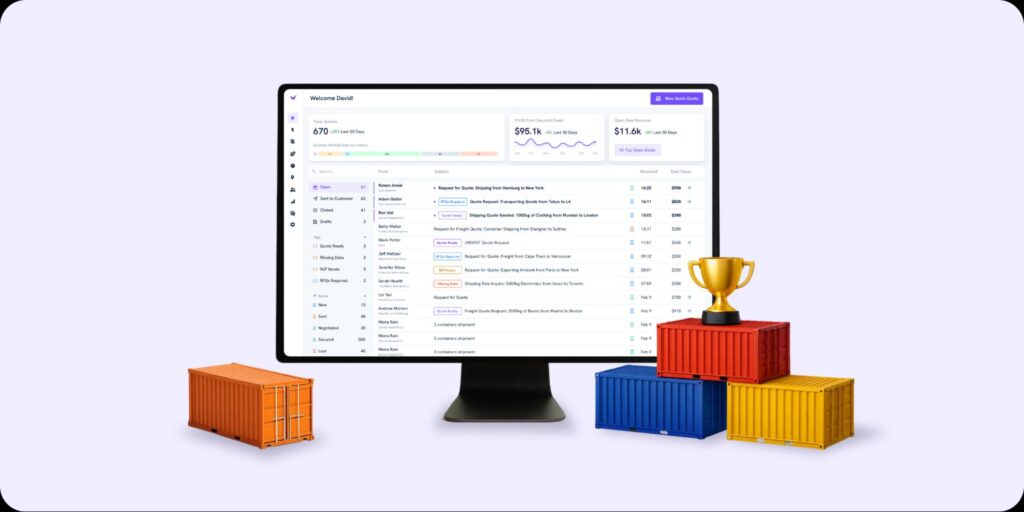
- Wisor centralizes rate management, quoting workflows, integrations, and reporting in one platform, helping teams configure operations faster, reduce manual errors, and gain real-time visibility into quote accuracy, shipment status, and margins.
What Is a Freight Software Onboarding Checklist?
A freight software onboarding checklist is a structured guide that helps companies set up new freight management systems efficiently. It outlines each step, from system configuration and user role assignment to data migration, rate management, and workflow automation. The checklist ensures that carriers, pricing rules, integrations, and reporting dashboards are correctly implemented before going live.
By following it, teams can avoid errors in quoting, billing, and shipment tracking. This checklist also defines training requirements and testing procedures, ensuring staff understand the system. Ultimately, a freight software onboarding checklist turns a complex rollout into a controlled, accurate, and measurable process.
Why a Structured Freight Software Onboarding Checklist Matters
Freight operations depend on precision. A missed rate, a wrong surcharge, or a broken workflow can cut into profit fast. A detailed freight software onboarding checklist creates order from the start. It defines tasks, assigns ownership, and reduces risk during rollout. With a clear framework, teams avoid guesswork and move with control.
- Reducing Quote and Pricing Errors: A checklist ensures rate tables, fuel formulas, and accessorial charges load correctly into the system. It requires teams to test sample freight quotes before launch to confirm pricing accuracy and prevent revenue leakage.
- Accelerating Time to Operational Productivity: The checklist sets clear timelines for data migration, user permissions, integration setup, and system testing. It schedules focused training before go-live so teams reach consistent performance and avoid early operational slowdowns.
- Standardizing Freight Workflows Across Teams: A structured checklist aligns brokers, operations staff, and accounting around one defined process. It documents the full quote-to-invoice flow to remove confusion, reduce manual work, and improve cross-team coordination.
- Protecting Margins Through Process Control: The checklist confirms that audit rules, reporting dashboards, and rate validation tools function properly before launch. Strong process control helps teams detect billing gaps early and protect profit on every shipment.
Pre-Onboarding Freight Software Checklist
Before system setup begins, teams need clarity. Rushed onboarding often leads to rework, pricing errors, and delays. A structured freight software onboarding checklist should start before the software goes live. This early phase builds the foundation for smooth adoption and long-term control.
- Define Business Objectives and Success Metrics: Set clear goals for quoting speed, rate accuracy, load volume, and margin control. Define measurable KPIs so leadership can track whether the new system delivers operational and financial improvement.
- Audit Existing Quoting and Shipment Workflows: Map each step from rate request to final invoice approval across departments. Identify manual tasks, duplicated work, and approval gaps that the new system must eliminate.
- Clean and Prepare Carrier Rate Data: Review contracts, fuel schedules, and accessorial tables for outdated or duplicate entries. Standardize formats before migration to reduce pricing errors and ensure consistent rate management.
- Identify Required Integrations and System Dependencies: List accounting systems, TMS platforms, EDI connections, and customer portals that must connect. Confirm data flow direction, automation rules, and security requirements before implementation begins.
- Assign Internal Onboarding Owners: Designate responsible leaders for operations, IT, finance, and compliance oversight. Clear ownership prevents delays, improves accountability, and keeps the freight software onboarding checklist on schedule.
Core Freight Software Onboarding Checklist Items
This phase turns planning into execution. A structured freight software onboarding checklist must control access, pricing logic, automation, compliance, and reporting from day one. If teams miss these core elements, errors spread fast and margins shrink. The table below brings all critical setup areas into one clear operational view:
|
Checklist Area |
Key Setup Actions | Business Purpose |
Risk if Skipped |
| System Access and Role-Based Permissions Setup | Define user roles, assign permission levels, configure approval hierarchies, test role scenarios | Protect data integrity and control operational authority | Unauthorized rate edits, workflow confusion, billing errors |
| Carrier and Vendor Integration Configuration | Connect EDI/API links, validate carrier identifiers, test status transmissions, confirm accounting sync | Enable automated data exchange and financial alignment | Manual entry delays, shipment errors, invoice mismatches |
| Rate Management and Pricing Rule Setup | Upload contract rates, configure fuel logic, add accessorial rules, run pricing simulations | Ensure accurate freight quotes and margin protection | Revenue leakage, inconsistent pricing, profit loss |
| Workflow Automation and Approval Configuration | Map quote-to-booking flow, set alerts, define margin thresholds, test automation triggers | Streamline operations and control exception handling | Bottlenecks, missed approvals, uncontrolled discounting |
| Document Management and Compliance Setup | Configure templates, define storage rules, set retention policies, test document workflows | Maintain compliance and document consistency | Audit exposure, lost records, inconsistent paperwork |
| Reporting Dashboards and Operational Visibility Configuration | Define KPIs, enable live data feeds, automate reports, validate accuracy | Provide clear operational and financial insight | Poor decisions based on incomplete or incorrect data |
Data Migration and Rate Validation Checklist
Data migration carries a high risk. If teams move incomplete or incorrect data, pricing errors can spread across every load. A structured freight software onboarding checklist must treat migration and validation as control points, not simple technical tasks. Each step below protects pricing accuracy and margin stability before the system goes live:
- Import and Validate Carrier Rate Sheets: Upload all contract rate tables, fuel surcharge matrices, lane-based pricing, and accessorial charges using standardized data formats. Reconcile each rate against signed carrier agreements and confirm currency, effective dates, minimum charges, and escalation clauses to prevent hidden pricing gaps.
- Migrate Historical Shipment and Pricing Data: Transfer past shipments, customer contracts, carrier costs, and invoicing records into the new platform. Verify data completeness, correct shipment statuses, and ensure accurate cost-revenue mapping so future reports reflect true historical margin performance.
- Verify Pricing Logic and Margin Rules: Review automated pricing formulas, markup structures, customer-specific discounts, and margin thresholds configured within the system. Confirm that calculations align with internal profitability targets and that exception rules trigger alerts when margins fall below acceptable limits.
- Conduct Quote Accuracy Testing Before Go-Live: Run controlled test quotes across multiple lanes, shipment modes, weight brackets, and customer types. Compare system-generated freight quotes against manual calculations and legacy system outputs to detect discrepancies before operational launch.
Compliance and Documentation Setup
Freight operations face strict regulatory, contractual, and operational requirements. A structured freight software onboarding checklist ensures compliance tasks are complete, auditable, and enforceable. Proper configuration prevents fines, audit failures, and shipment delays while improving visibility and accountability across teams.
1. Regulatory Documentation Requirements
Identify all mandatory shipment permits, customs forms, hazardous material declarations, and export/import paperwork. Configure automated prompts and validation rules to ensure users cannot proceed without attaching required documents. Include region-specific requirements for cross-border operations to prevent non-compliance penalties.
2. Insurance and Licensing Tracking
Record carrier insurance certificates, endorsements, and operating licenses directly in the system. Set automated expiration alerts and verification reminders. Ensure the platform cross-checks each shipment against valid coverage and licensing to prevent liability exposure and fines.
3. Audit Trail Configuration
Enable comprehensive logging for every user action, approval step, and system modification. Track changes to rates, shipment approvals, and workflow edits. Maintain a searchable, time-stamped audit trail to support regulatory inspections, internal audits, and dispute resolution.
4. Electronic Document Management
Centralize all documents, including BOLs, invoices, contracts, and compliance forms, in a secure digital repository. Configure automated uploads, enforce version control, and assign role-based access. Enable quick retrieval for operations and auditing purposes, reducing errors and ensuring consistent documentation practices.
Go-Live Freight Software Checklist
The go-live phase determines whether a freight software rollout succeeds. A structured freight software onboarding checklist ensures the system performs reliably under real-world conditions. Testing, validation, and controlled operations reduce operational risk and protect revenue. The table below organizes key go-live steps, their purpose, and potential consequences if skipped:
| Checklist Item | Key Focus |
Risk if Skipped |
| Sandbox Testing | Run end-to-end test scenarios | Undetected errors and workflow issues |
| Integration Stability | Verify APIs and system connections | Data sync failures or delays |
| User Permissions | Check roles and approval controls | Unauthorized edits or access issues |
| Controlled Shipments | Process limited live loads | Operational mistakes or delivery delays |
| Reporting Accuracy | Validate KPIs and dashboards | Misleading insights and margin errors |
Operational Risks to Monitor During Onboarding
Even with a structured freight software onboarding checklist, hidden risks can disrupt quoting, shipping, and margins. Monitoring these threats during setup and early use helps catch errors early, ensures accurate operations, and protects revenue.
Spreadsheet Dependency and Manual Overrides
Relying on spreadsheets or manual entries bypasses system validations, increasing pricing errors, duplicated data, and inconsistent workflows. Minimizing manual overrides ensures the software becomes the single source of truth and reduces operational risk.
Misconfigured Pricing or Markups
Incorrect pricing rules or markups can produce inaccurate quotes and invoices. Validating formulas, discounts, and margin thresholds prevents lost revenue and ensures automated pricing reflects contracts and internal profitability targets.
Incomplete Workflow Automation
Missing automation triggers for approvals, exceptions, or notifications slows operations and increases errors. Testing and completing workflow automation ensures consistent execution and reduces dependency on manual steps.
Integration Failures or Data Sync Issues
Unstable API or EDI connections can cause delayed updates, duplicate records, or mismatched invoices. Testing integrations and monitoring data syncs prevents operational disruptions and reporting errors.
Low User Adoption Across Sales and Operations
If teams avoid using the system, errors increase due to spreadsheets or old workflows. Training, role clarity, and monitoring adoption metrics encourage engagement and maximize the system’s value.
Measuring Freight Software Onboarding Success
A freight software onboarding checklist only works if it improves quoting, shipping, and operational efficiency. Tracking key metrics during and after rollout helps teams identify gaps, ensure adoption, and confirm ROI. The table below shows the most important indicators to monitor:
| Success Metric | What to Measure |
Why It Matters |
| Time to First Accurate Quote | Days or hours from system setup to producing a correct quote | Indicates system usability and setup completeness |
| Quote-to-Booking Conversion Rate | Percentage of quotes that convert to confirmed shipments | Reflects operational efficiency and customer satisfaction |
| Shipment Error Reduction Rate | Decrease in misrouted or incorrectly billed shipments | Measures impact of system automation and validation |
| Pricing Accuracy and Margin Stability | Alignment of system-generated quotes with contract rates and targeted margins | Ensures profitability and correct rate management |
| Cross-Team Adoption Metrics | Number of active users, frequency of system usage across departments | Confirms user engagement and full operational adoption |
Best Practices to Maintain Your Freight Software Onboarding Checklist
A freight software onboarding checklist is not a one-time task. Maintaining it ensures that the system continues to deliver accurate quotes, efficient workflows, and strong margins. Regular updates, audits, and refinements help teams adapt to new features, integrations, and operational insights.
- Update the Checklist for New Features and Integrations: Review the checklist whenever the software introduces new functionality or connects to additional carriers, TMS platforms, or accounting systems. Ensure that setup tasks, testing procedures, and validation steps reflect these changes to prevent gaps during onboarding.
- Standardize Documentation and SOP Reviews: Maintain consistent standard operating procedures (SOPs) and document updates across teams. Align internal instructions, training guides, and checklist references to reduce confusion, support new hires, and keep onboarding processes uniform.
- Conduct Post-Onboarding Performance Audits: Periodically review system performance, quote accuracy, workflow compliance, and adoption metrics. Identify gaps, exceptions, and areas of improvement. Adjust the checklist and processes based on audit findings to maintain operational reliability.
- Refine Workflow Automation Based on Data Insights: Use reporting dashboards, exception logs, and user feedback to optimize automation triggers, approval hierarchies, and alerts. Adjust workflows to remove bottlenecks and improve efficiency, ensuring the checklist evolves with operational needs.
How Wisor Simplifies Freight Software Onboarding
Onboarding freight software can be complex, involving rate uploads, workflow setup, and integrations. Wisor simplifies the process with a centralized platform that reduces errors, accelerates configuration, and ensures consistent adoption across teams. Built-in automation and reporting make onboarding faster, more reliable, and operationally visible from day one.
- Accelerated Quoting Workflow Configuration: Wisor allows teams to set up and test quote-to-booking workflows quickly, ensuring accurate quotes from day one.
- Centralized Rate Management and Pricing Automation: Upload, validate, and manage carrier rates in one system, with automated pricing rules to protect margins.
- Integration With Carrier and Internal Systems: Seamless API and EDI connections synchronize data with carriers, TMS platforms, and accounting systems, reducing errors and delays.
- Operational Visibility Across Quotes and Shipments: Dashboards and reporting tools provide real-time insight into quote accuracy, shipment status, and margin performance.
- Workflow Controls to Reduce Manual Errors: Role-based permissions, automated approvals, and exception alerts minimize dependency on spreadsheets and manual overrides.
- Performance Insights to Optimize Freight Operations: Wisor tracks KPIs, adoption metrics, and operational trends, enabling continuous process improvement and informed decision-making.
Conclusion
A structured freight software onboarding checklist ensures accuracy, efficiency, and margin protection. Wisor simplifies setup, automates workflows, integrates systems, and provides visibility across operations. By following best practices, validating rates, and monitoring adoption, teams can reduce errors, accelerate quoting, and protect revenue.
Continuous audits and refinements maintain system reliability, making onboarding a controlled, measurable process that supports long-term operational success. A well-executed checklist transforms software adoption into a strategic advantage for freight operations.