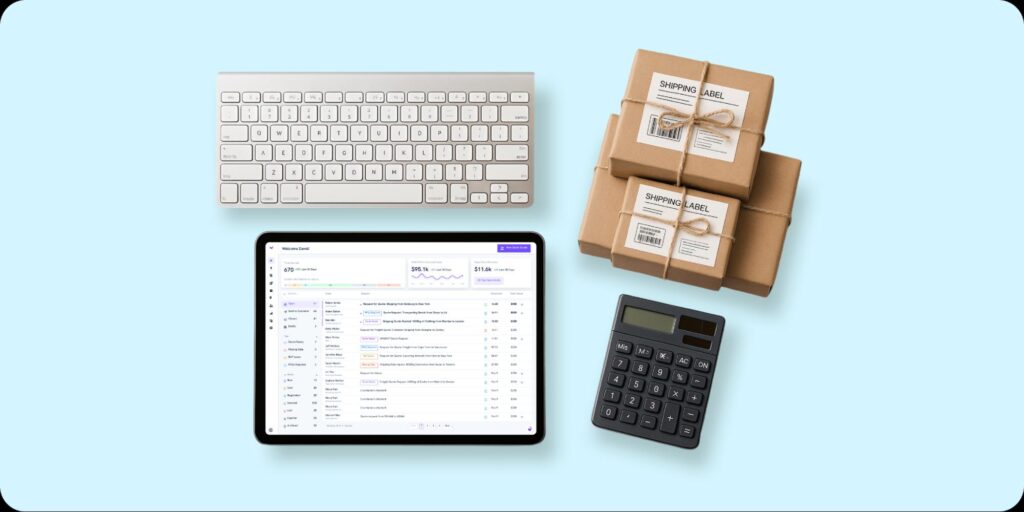
Better Together: Wisor x CargoCONNECT Integration Brings Smarter Air Cargo Operations

Talya Sasson

Head of Product, Wisor

Talya Sasson

Head of Product, Wisor

Talya Sassoon leads product at Wisor, where she brings deep expertise in AI-driven platforms and healthcare tech. Prior to Wisor, she led U.S. product strategy at Healthy.io and worked on autonomous mobility data systems at Intel’s Mobileye.
Table of Contents

New integration gives Wisor customers access to deeper visibility, smoother bookings, and smarter workflows—without added friction.

We’re excited to announce our latest integration with CargoCONNECT by CargoAi—the most comprehensive air cargo connectivity platform in the market. This collaboration provides Wisor users with access to real-time tracking, automated quoting & booking, and enhanced operational control, all within the Wisor Freight Platform.

Why It Matters

Airfreight operations are fast-paced—and disconnected tools lead to lost time, missed updates, and fragmented data. Our integration with CargoCONNECT solves that by embedding powerful cargo intelligence directly into the Wisor workflow.

Key Benefits for Wisor Users

  • Real-Time Tracking Across 249+ Airlines
    Full shipment visibility with enhanced AWB event accuracy—offloads, discrepancies, and delays clearly identified.
  • Quote & Book Direct from Wisor
    Bookings now route directly to CargoAi’s FlyWINDOW, reducing user friction and eliminating extra steps.
  • Error-Proof Documentation Flows
    Grouped FWB & FHL validation errors mean fewer retries, faster submissions, and smoother handoffs to carriers.
  • Visual API Workflows
    CargoCONNECT’s updated documentation helps your tech and business teams align quickly and integrate with confidence.
  • Support Transparency
    Track issues, raise tickets, and access resources through a centralized support portal—now live and available to all integrated users.

This partnership is part of our continued mission to remove friction in freight operations and connect Wisor customers to the best tools in the industry.

Smarter cargo journeys start here—now directly through Wisor.
Talya Sasson

Head of Product, Wisor

About the Author
Talya Sassoon leads product at Wisor, where she brings deep expertise in AI-driven platforms and healthcare tech. Prior to Wisor, she led U.S. product strategy at Healthy.io and worked on autonomous mobility data systems at Intel’s Mobileye. With degrees in Industrial Engineering and Engineering Management from Tel Aviv University, Talya blends technical rigor with user-centered design to build products that scale.

FAQs

No FAQs selected.

Table of Contents
See Wisor in Action
What should you consider when choosing a rate What should you consider when choosing a rate

Related Article

how to speed up freight quotes

How to Speed Up Freight Quotes in Freight Forwarding Operations

Eiran Bolless

June 2, 2026

Key Takeaways Freight quote speed depends on complete shipment data, connected rate sources, and automated workflows; missing information and manual processes create delays that slow customer response times. Faster quotes increase win rates, accelerate bookings, improve customer retention, and allow teams to handle more requests without adding headcount. Automated and AI-powered quoting workflows can reduce […]

contract vs spot freight rates

Contract vs. Spot Freight Rates: How Freight Forwarders Balance Cost, Risk & Speed

Nimrod

May 28, 2026

Key Takeaways Contract rates provide stable pricing and faster quoting through pre-agreed carrier agreements. Spot rates add flexibility for urgent or unpredictable shipments but often slow down quote response times. Most freight forwarders use a hybrid strategy to balance cost control with market flexibility. Centralized rate visibility improves quote accuracy, speeds up decisions, and reduces […]

What Are Incoterms? Rules, Types, and How to Choose the Right One

Ben Krispin
Ben Krispin

May 13, 2026

Key Takeaways Incoterms are standardized global trade rules that define who handles shipping costs, customs, insurance, and delivery responsibilities during international freight movements, reducing confusion and disputes between buyers and sellers. Each Incoterm changes when cargo risk transfers. Under EXW, risk transfers at the seller’s premises, while DDP keeps responsibility with the seller until final […]