

Key Takeaways
- CIF (Cost, Insurance, and Freight) is an Incoterm for sea transport where the seller pays for goods, ocean freight, and marine insurance, but risk transfers to the buyer once cargo loads on the vessel.
- CIF simplifies international shipping for buyers because the seller arranges freight and insurance, creating more predictable landed costs while shifting logistics coordination and carrier selection to the seller.
- CIF transactions rely on key documents like the Bill of Lading, commercial invoice, insurance certificate, and packing list, while buyers handle import duties, customs clearance, unloading, and final delivery after arrival.
- Wisor helps manage CIF shipments by providing real-time shipment visibility, centralized tracking of logistics milestones, coordination across freight partners, and automated alerts for delays or exceptions.
What Is CIF (Cost, Insurance, and Freight)?
In global shipping, many contracts rely on standard trade rules called Incoterms. A common question from new importers is what is CIF? CIF stands for Cost, Insurance, and Freight, an Incoterm used in international sea transport.
Under CIF terms, the seller pays the cost of goods, ocean freight, and marine insurance needed to ship cargo to the buyer’s destination port. The seller also arranges transport and secures insurance that protects the cargo during the main shipping journey.
However, the seller does not carry all the risk for the full trip. Once the goods are loaded onto the vessel at the port of origin, the risk transfers to the buyer. Mastering the nuances of CIF ensures that both importers and exporters understand their financial liabilities and the exact timing of responsibility shifts.
CIF vs Other Incoterms
Navigating international trade requires a side-by-side comparison of Incoterms to pinpoint exactly who handles the freight, who provides insurance, and at what precise second the risk shifts. To truly grasp CIF, it must be benchmarked against alternatives like FOB (Free on Board), CFR (Cost and Freight), and CIP (Carriage and Insurance Paid To):
| Incoterm | Seller Pays For | Insurance | Risk Transfers | Transport |
| CIF | Goods, ocean freight | Yes | When goods load on the vessel | Sea |
| FOB | Goods, loading on vessel | No | When goods load on the vessel | Sea |
| CFR | Goods, ocean freight | No | When goods load on the vessel | Sea |
| CIP | Goods, freight | Yes | When goods pass to the first carrier | Any transport |
Why CIF Is Important in International Trade
Understanding what CIF is helps businesses manage international shipments with clear roles and predictable costs. CIF sets rules for freight, insurance, and risk transfer, which helps buyers and sellers avoid confusion during global trade.
- Simplifying Shipping Responsibilities for Buyers: CIF places most shipping tasks on the seller. The seller arranges ocean freight and insurance to the destination port. This setup helps buyers who lack experience with international logistics or shipping carriers.
- Providing Minimum Insurance Protection for Cargo: CIF requires the seller to provide marine insurance for the shipment. This insurance offers basic protection if the cargo suffers damage or loss during the main ocean journey.
- Supporting Predictable International Shipping Costs: Since freight and insurance sit inside the CIF price, buyers can estimate their shipping costs more easily. This structure helps businesses plan budgets and control import expenses.
- Enabling Structured Global Trade Agreements: CIF belongs to the standard Incoterms rules used in global trade contracts. Because many companies understand what CIF is, it helps buyers and sellers form clear and consistent shipping agreements.
Common Use Cases for CIF Shipping
Companies choose CIF when they want a clear structure for shipping costs and insurance during ocean transport. The term works best in situations where the seller has strong logistics networks and can arrange freight more easily than the buyer. Understanding CIF helps businesses decide when this Incoterm fits their shipping strategy.
CIF for Containerized Cargo
Many international shipments move in standardized containers, which makes CIF a practical choice. The seller can arrange container booking, ocean freight, and insurance before the cargo leaves the origin port. This setup reduces complexity for buyers who may lack experience with global shipping carriers. While CIF is common for containers, many modern practitioners prefer CIP for multimodal or containerized transit. The ICC also recommends CIP for containers. CIF is intended for bulk cargo where the “on board” moment is clearly visible.
CIF for Bulk Commodity Shipping
Bulk commodities such as grain, minerals, or raw materials often travel by sea in large volumes. In these cases, sellers usually control the shipping process and can negotiate freight rates with carriers. CIF allows the seller to include transport and insurance in the final price. Businesses that understand CIF can structure bulk commodity deals with clearer cost expectations.
CIF for High-Value International Shipments
Some international shipments contain expensive equipment, electronics, or industrial parts. CIF helps ensure that basic marine insurance protects the cargo during the main ocean journey. While the coverage may not be extensive, it still provides a level of financial protection. Knowing what CIF is helps companies move valuable goods while maintaining defined responsibilities between buyer and seller.
Costs Included in CIF
CIF pricing groups several shipping expenses into one agreed price between the buyer and the seller. The seller covers key transport and insurance costs until the goods reach the destination port. For many importers, this structure makes it easier to understand CIF and how shipment expenses are distributed in international trade.
| Cost Category | Description | Who Pays Under CIF |
| Ocean Freight Costs | The seller pays the cost to transport the goods by sea from the origin port to the buyer’s destination port. | Seller |
| Minimum Cargo Insurance Coverage | The seller provides basic marine insurance that protects the shipment during the ocean journey. | Seller |
| Export Handling and Port Charges | Costs related to export clearance, documentation, and handling at the origin port are covered before the goods depart. | Seller |
| Cost Responsibilities Under CIF | Once the cargo reaches the destination port, the buyer pays import duties, customs clearance, and local delivery costs. | Buyer |
Key Documents Required in CIF Transactions
International shipments under CIF require several documents that confirm ownership, cargo details, and insurance coverage. These records help buyers, sellers, and customs authorities track the shipment and verify the terms of the trade agreement:
- Bill of Lading: The Bill of Lading (BoL) serves a triple purpose. It is a legally binding contract of carriage, an official receipt for the goods, and a document of title. It provides proof that the carrier has taken possession of the cargo and safely stowed it on board the vessel.
- Commercial Invoice: The commercial invoice lists the goods sold, their value, and the terms of sale. Customs authorities use this document to assess duties and taxes when the shipment arrives. It also confirms the CIF price that includes the cost of goods, freight, and insurance.
- Insurance Certificate: CIF requires the seller to provide marine cargo insurance for the shipment. The insurance certificate proves that coverage exists for potential loss or damage during the ocean journey. The buyer can use this document to file a claim if the cargo suffers damage in transit.
- Packing List: The packing list describes how the goods are packed inside the shipment. It includes details such as weight, dimensions, and the number of packages. Customs officials and logistics providers rely on this document to inspect and handle the cargo during the shipping process.
Seller & Buyer Responsibilities Under CIF
CIF defines clear duties for both parties in a trade contract. The seller manages the export process and shipping arrangements to the destination port. The buyer takes control once the cargo reaches that port.
Seller Responsibilities
Under CIF terms, the seller organizes the export process and prepares the cargo for international transport. Key responsibilities include:
- Arranging Sea Freight Transport: Booking ocean freight and paying the cost to transport goods to the buyer’s destination port.
- Procuring Minimum Cargo Insurance: Obtaining marine insurance that covers the cargo during the ocean journey.
- Delivering Goods to the Port of Loading: Transporting goods to the export port and loading them onto the vessel, after which risk transfers to the buyer.
- Handling Export Customs Clearance: Managing export documentation and clearing the shipment through customs at the origin country.
Buyer Responsibilities
After the cargo reaches the destination port, the buyer takes responsibility for the remaining logistics and import procedures. Key responsibilities include:
- Paying the Contract Price: Covering the agreed CIF price, which includes goods, freight, and insurance arranged by the seller.
- Managing Import Duties and Customs: Handling import clearance, paying duties and taxes, and completing required documentation.
- Unloading at the Destination Port: Paying for unloading and terminal handling charges at the destination port.
- Arranging Final Delivery After Arrival: Organizing transportation from the port to the final destination, such as a warehouse or distribution center.
Advantages and Limitations of CIF
CIF provides a structured approach for international shipping, but it comes with trade-offs for both buyers and sellers. Knowing what CIF is helps businesses understand the benefits and limits of this Incoterm before choosing it for their shipments. The table below summarizes the key advantages and limitations:
| Advantages of CIF for Buyers | Advantages of CIF for Sellers | Limitations of CIF in Global Logistics |
| Simplified Freight Coordination: The seller manages the main shipping arrangements. | Control Over Freight Carrier Selection: Sellers choose the ocean carrier. | Risk Transfers Before Goods Reach Destination: Risk shifts once cargo loads on the vessel. |
| Seller-Managed Ocean Transport: The seller books and pays for ocean freight. | Ability to Consolidate Shipments: Sellers can combine cargo to reduce costs. | Limited Insurance Coverage Requirements: CIF requires only minimum cargo insurance. |
| Basic Cargo Insurance Included: The seller provides marine insurance for the shipment. | Opportunity to Optimize Freight Costs: Sellers can negotiate better freight rates. | Buyer Has Limited Control Over Freight Carrier: Buyers cannot select the shipping line. |
| Predictable Landed Cost Structure: Freight and insurance appear in the CIF price. | Stronger Control Over Export Logistics: Sellers oversee export handling and loading. | Potentially Higher Freight Costs for Buyers: Sellers may include a margin in freight pricing. |
| Reduced Logistics Management Effort: Buyers handle fewer shipping tasks. | Easier Shipping Coordination: One party manages most export logistics steps. | Not Suitable for Air or Multimodal Transport: CIF applies mainly to sea transport. |
How Risk Transfers in CIF
A key feature of CIF is the clear division of risk between seller and buyer. It is important to understand when responsibility for the cargo shifts, how insurance interacts with that risk, and what exposure each party faces during the shipment. This clarity helps businesses manage logistics and avoid costly disputes.
Risk Transfer at the Port of Loading
Under CIF, the seller arranges freight and insurance, but risk passes to the buyer once the goods are loaded onto the vessel at the origin port. This means that while the seller covers transport costs, any loss or damage during the voyage is technically the buyer’s responsibility. Understanding this timing is crucial for planning claims and logistics.
Risk Exposure During Ocean Transit
Although the seller provides basic insurance, the buyer bears the risk for events not covered by the policy. Damage from improper handling, natural disasters, or other unforeseen events can affect the shipment. It is important for buyers to be aware of their exposure during the ocean leg of transport.
Understanding Insurance Coverage Limits
CIF mandates only minimum marine insurance, often covering basic risks at a standard value. Buyers should evaluate whether additional insurance is needed for high-value or fragile goods. Recognizing these limits helps both parties prevent financial loss and make informed decisions about supplemental coverage.
Wisor’s Role in Managing CIF Shipments
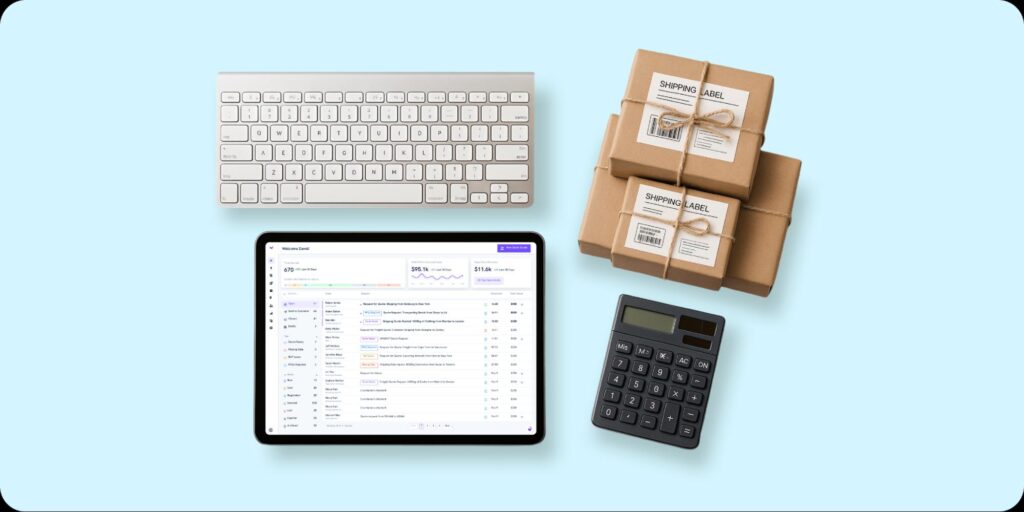
Managing CIF shipments involves multiple parties, documents, and moving parts. Understanding what CIF is is one thing, but effectively tracking and coordinating shipments is another. Wisor helps businesses gain control over the shipping process, ensuring transparency, timely updates, and smoother logistics.
- Real-Time Visibility Into CIF Shipment Status: Wisor allows buyers and sellers to monitor shipments at every stage – from port of loading to destination arrival. This visibility reduces uncertainty and helps plan resources.
- Centralized Tracking of Freight and Logistics Milestones: All key shipment events, including customs clearance and vessel departures, are tracked in one platform. This centralization simplifies communication between all stakeholders.
- Streamlined Coordination Across Freight Partners: Wisor connects carriers, insurers, and customs agents, making it easier to align schedules and resolve issues quickly.
- Automated Alerts for Shipment Delays and Exceptions: The platform sends notifications if shipments are delayed or encounter exceptions, allowing proactive action to minimize disruptions and ensure timely delivery.
Conclusion
CIF simplifies international shipping by clearly defining the responsibilities of buyers and sellers, including who pays for freight, who provides insurance, and when risk transfers.
Learning what CIF is helps businesses manage costs, plan logistics, and reduce uncertainty in global trade. While it provides benefits like simplified freight coordination and basic insurance coverage, buyers should be aware of CIF’s limitations, including limited control over carriers and minimal insurance coverage.
Tools like Wisor can enhance CIF shipments by providing real-time tracking, centralized logistics management, and automated alerts. Proper understanding and management of CIF ensures smoother, more predictable international trade operations.