


Magaya Overview and Where It Fits Best
Magaya is a freight management system built for freight forwarders, NVOCCs, and logistics firms. It covers core tasks like shipment tracking, warehouse control, customs work, and accounting in one platform.
Magaya targets small to mid-size operators that need structure without a heavy IT setup. The system fits teams that handle ocean, air, and land freight and want clear workflows across each step.
It works best for companies that value an all-in-one setup with built-in finance tools. Yet, some users look for Magaya alternatives when they need deeper AI-driven automation, different workflow flexibility, or a platform that better matches their operational model and implementation preferences. This is where newer platforms start to stand out.
Magaya Alternatives for Automation and AI-Driven Logistics Operations
Many logistics teams now want tools that cut manual work and speed up decisions. This shift drives demand for Magaya alternatives built with AI and automation at the core. These platforms help teams quote faster, reduce errors, and scale with less effort. Here are two strong options:
1. Wisor
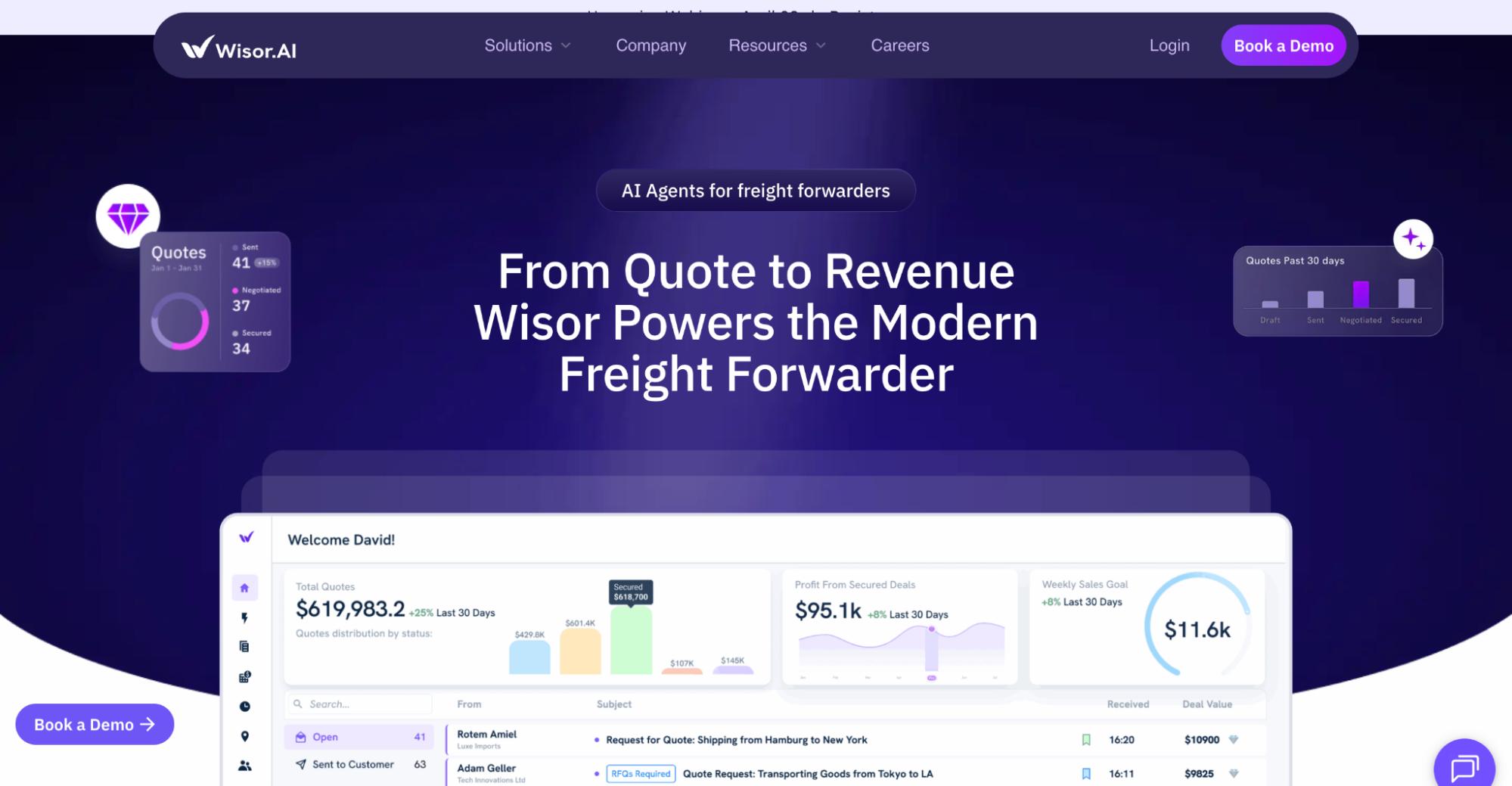
Wisor helps freight forwarders reduce manual work and speed up daily tasks. It uses AI to handle quoting, routing, and workflows in one system, replacing emails and spreadsheets. This makes it a strong fit for teams that need fast, accurate pricing and cleaner operations.
Beyond quoting, Wisor extends into commercial workflows such as CRM, scheduling, booking, and rate management, creating a more connected operational flow. These capabilities integrate directly with existing TMS and ERP systems, allowing teams to automate workflows without disrupting their current stack.
Key features:
- AI rate comparison
- Instant quote generation
- Automated rate updates
- TMS/ERP-integrated rate management and quoting
- End-to-end workflow automation
2. Raft AI

Raft AI offers AI tools that automate operations, finance, and customs tasks. It helps teams reduce repetitive work and improve data use. Raft brings operations, customs, and finance into a shared workspace, allowing teams to manage workflows with consistent context across departments. Its automation capabilities extend to tasks like customs preparation, AP matching, and ETA tracking, making it more than just a quoting or data tool.
Key features:
- AI workflow automation
- Automated document processing
- Centralized data platform
- Real-time insights
- System integrations
Magaya Alternatives for End-to-End Freight Management Platforms
Some logistics companies need more than automation. They need one system that covers every step, from booking to customs to final delivery. This is where full-suite platforms stand out as strong Magaya alternatives. These tools connect operations, compliance, finance, and partners in one place. They work best for growing and enterprise teams that handle complex global shipments.
3. CargoWise

CargoWise is a global platform that unifies freight, customs, and supply chain operations in one system. It is widely used by large forwarders that need full control across all modes and regions.
CargoWise is designed for global scale, with a single database that standardizes operations across regions and business units. Its deep integrations with partners, carriers, and regulatory systems help reduce manual coordination and ensure consistency across complex logistics networks.
Key features:
- End-to-end freight management across all modes
- Built-in customs and compliance tools
- Single global database for all operations
- Real-time visibility and tracking
- Strong partner and carrier integrations
4. Descartes (Forwarding & Customs Solutions)
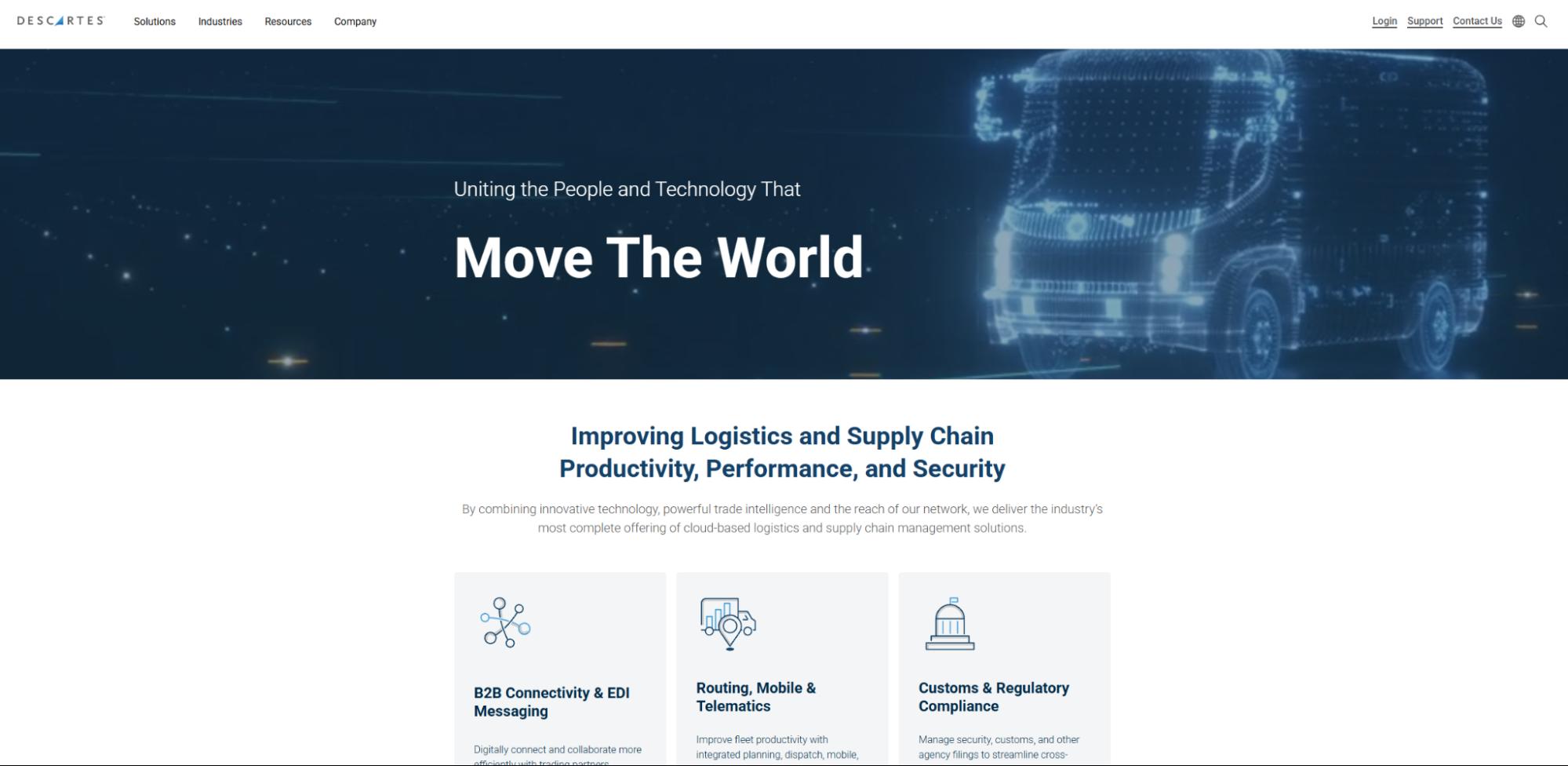
Descartes Systems Group offers a broad suite for freight forwarding and customs compliance. It focuses on helping companies manage global trade while staying compliant with regulations.
Descartes combines freight forwarding, compliance, and financial workflows with strong connectivity through EDI and partner integrations. Its platform is particularly suited for organizations managing complex international trade requirements alongside day-to-day forwarding operations.
Key features:
- Freight forwarding and customs management
- Global trade compliance tools
- Electronic data interchange (EDI) connectivity
- Real-time shipment visibility
- Integrated routing and scheduling
5. BluJay (E2open Logistics Platform)
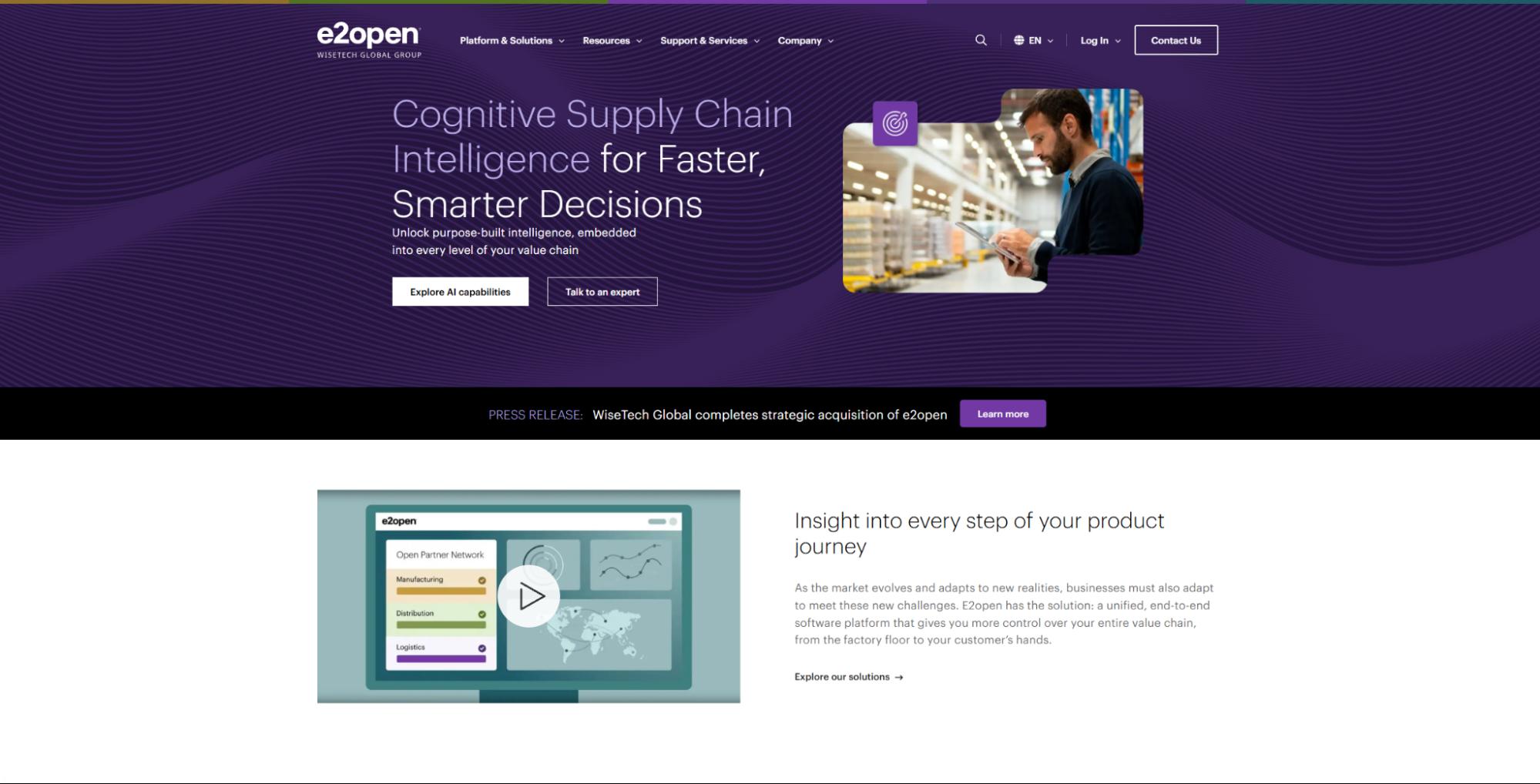
BluJay Solutions, now part of E2open, delivers a cloud-based logistics execution platform with a large global network. It connects shippers, carriers, and partners to improve visibility and coordination. E2open brings together transportation, logistics execution, and global trade capabilities into a unified platform. Its strength lies in connecting a large network of partners and systems, making it a strong fit for organizations prioritizing end-to-end supply chain coordination.
Key features:
- Transportation management system (TMS)
- Global trade and customs capabilities
- Large connected logistics network
- Real-time visibility across shipments
- Analytics and decision support tools
Magaya Alternatives for Digital Freight Forwarders and Modern Platforms
Some companies want speed, transparency, and a clean user experience. They prefer digital-first platforms that combine freight services with software. This makes them strong Magaya alternatives for teams that value simplicity and fast execution. These tools focus on instant quotes, real-time visibility, and smooth booking flows:
6. Flexport
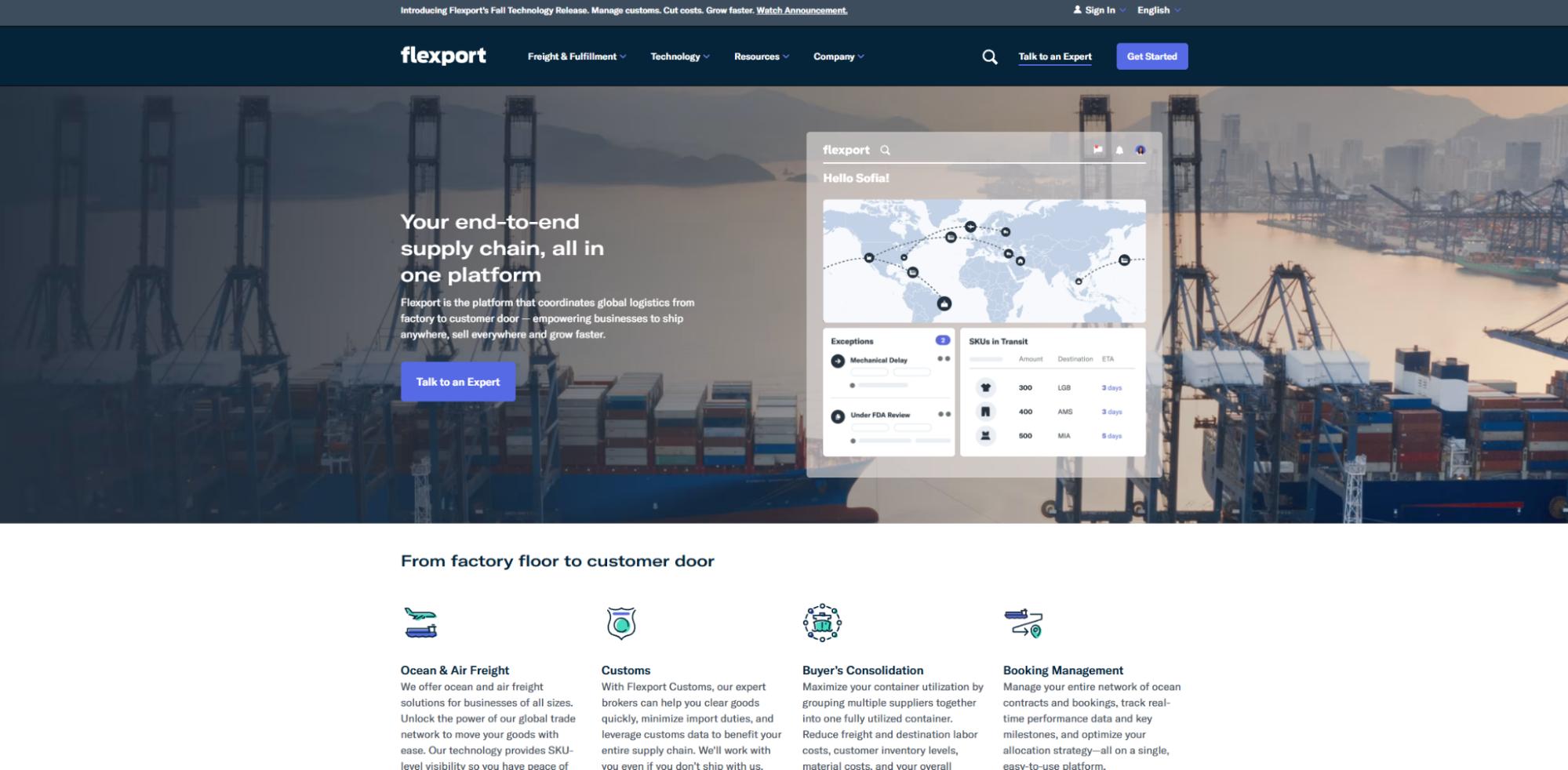
Flexport is a tech-driven freight forwarder that combines logistics services with a modern software platform, giving teams visibility across shipments, documentation, and financial workflows. Its integrated approach works well for companies looking to combine operational execution with real-time insights.
Key features:
- End-to-end freight forwarding services
- Real-time shipment tracking and visibility
- Integrated customs brokerage
- Supply chain analytics and insights
- Trade financing and insurance options
7. Freightos WebCargo
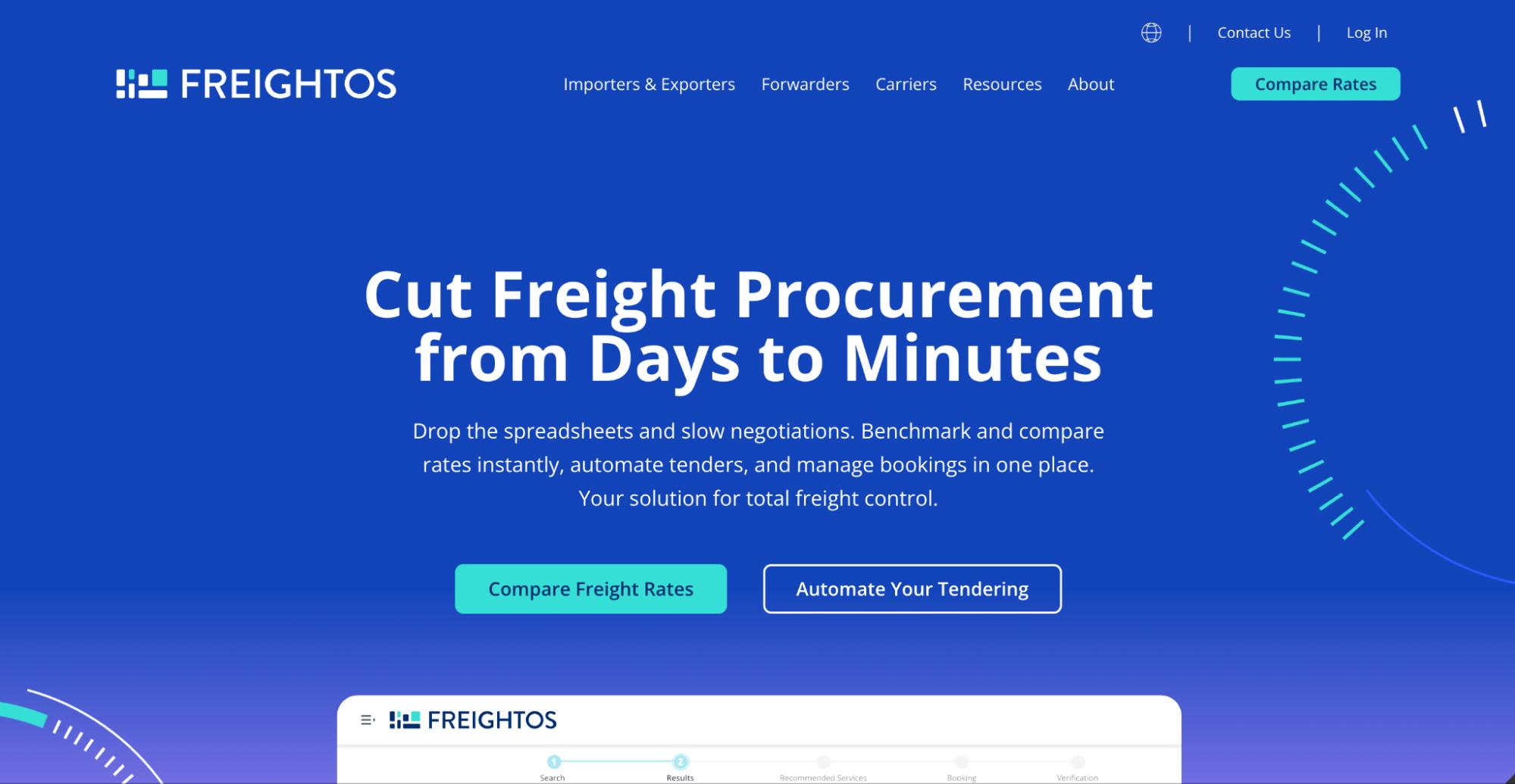
Freightos offers WebCargo, a digital platform for rate management, quoting, and booking. It connects carriers and forwarders to enable fast, data-driven freight pricing and transactions. Freightos WebCargo focuses on accelerating pricing and booking workflows through digital rate management and carrier connectivity. Its platform is especially valuable for teams that rely heavily on fast, accurate quoting and need access to real-time market pricing data.
Key features:
- Instant rate comparison and quoting
- Digital booking across air and ocean freight
- Large carrier and forwarder network
- Rate management and automation tools
- Market data and pricing insights
8. Shipamax (Wisetech Global)

Shipamax, part of Wisetech Global, focuses on automating data entry and document processing in logistics workflows. It uses OCR and AI to extract and structure data from emails and files. It is particularly useful for back-office operations such as customs processing and invoice handling, where manual data entry slows teams down.
Key features:
- Automated document data extraction
- Email and file processing with OCR
- Workflow automation for operations teams
- Integration with TMS and ERP systems
- Reduced manual data entry and errors
Why Logistics Teams Look for Magaya Alternatives
Many freight teams start with all-in-one systems, but their needs change as volume grows. Speed, ease of use, and automation start to matter more than feature count. This is why many companies explore Magaya alternatives that offer simpler workflows and faster results.
Here are the main pain points that push teams to switch:
- Outdated User Interface (UI) and Staff Adoption Challenges: Older layouts slow down daily work and increase training time. New staff often struggle to learn the system, which affects productivity.
- Manual Data Entry and “Double-Entry Tax” Between Modules: Teams often enter the same data in multiple places. This wastes time and raises the risk of errors across shipments and documents.
- High Complexity and Long Implementation Timelines: Some teams prefer platforms with faster onboarding and less operational complexity, especially when they want quicker time to value.
- Lack of Real-Time AI Automation in the Quoting Process: Many systems still rely on manual rate checks and static pricing. This slows down quotes and makes it harder to stay competitive.
Key Criteria for Evaluating Magaya Alternatives
Choosing the right system is not just about features. It is about how well the platform fits your daily work, your team size, and your growth plans. The best Magaya alternatives remove friction, reduce manual work, and give clear control across each step of the shipment lifecycle.
A strong platform should cover operations, finance, and compliance in one flow. It should also scale as your volume grows without slowing your team down.
|
Criteria |
What to Look For |
| Freight Forwarding and Logistics Workflow Coverage | Full support for air, ocean, and land shipments, from quote to delivery |
| Automation of Documentation and Data Entry | Auto-fill forms, extract data from emails and files, reduce manual input |
| Customs, Compliance, and Regulatory Support | Built-in tools for declarations, duties, and global trade rules |
| Accounting, Billing, and Financial Integration | Invoicing, cost tracking, and links with accounting systems |
| Shipment Visibility and Tracking Capabilities | Real-time tracking with clear status updates across all shipments |
| Integrations with Carriers, ERPs, and Marketplaces | Easy connection with partners, carriers, and existing business tools |
| Ease of Use, Implementation, and Scalability | Simple interface, fast setup, and ability to grow with your business |
How to Choose the Right Magaya Alternative for Your Business
Each logistics company works in a different way. Some focus on warehousing, while others focus on freight forwarding and fast quoting. The right choice depends on how your team operates each day and where you lose time or revenue. Strong alternatives should match your workflow, support your sales process, and fit your growth pace without adding extra complexity. Here is how to choose one:
Assess Your Need for WMS vs. Forwarding-First Features
Start by mapping your core operations. If your business relies on storage, inventory control, and order fulfillment, a strong WMS matters more. If you move freight and manage shipments, forwarding tools should take priority. Many platforms try to cover both, but often lean toward one side. Choose a system that fits your main revenue driver, so your team works faster without dealing with features they rarely use.
Evaluate “Speed to Lead” Requirements for Your Sales Team
In freight, speed often decides who wins the deal. If your team handles many quote requests, you need fast pricing tools and automation. Delays from manual rate checks or slow workflows can cost your clients. Look for platforms that support instant quotes, smart rate comparisons, and quick follow-ups. This helps your sales team respond first and close more deals with less effort.
Compare Implementation Timelines: Weeks vs. Months
Some systems take months to set up and require training, data migration, and outside support. This can slow your business and delay results. Other platforms offer faster onboarding with simple setup and cloud access. If you need quick results, focus on tools that go live in weeks, not months. A shorter setup time lets your team adapt faster and start seeing value without long disruptions.
Migrating from Magaya to a Modern Logistics Platform
Moving to a new system is more than a tech upgrade. It’s a chance to streamline workflows, clean up outdated data, and prepare for growth. Teams often choose Magaya alternatives to reduce manual work, speed up quoting, and gain real-time visibility. A successful migration requires careful planning, clear documentation, and staff training. Here are the main steps involved in this transition:
| Step | Key Actions |
Tips for Success |
| Auditing Current Rate Sheets and Customer Contracts | Review all rate sheets, contracts, and special pricing agreements. Identify outdated or duplicated entries. | Standardize formats before migration. Flag exceptions for manual review to avoid errors in the new system. |
| Managing API Connections and Carrier Integrations | List all existing integrations with carriers, TMS, and partner systems. Test APIs to ensure compatibility with the new platform. | Work with IT or vendor support to map endpoints. Schedule data sync tests before full migration to prevent downtime. |
| Training Staff on Modern AI-Driven Workflows | Introduce automation tools, AI quoting engines, and document handling features. Create hands-on sessions for operations and sales teams. | Use real-world examples from daily operations. Encourage staff to practice with test data before going live. |
Wisor as a Magaya Alternative for AI-Driven Logistics Automation
Companies that handle high volumes of shipments often struggle with manual processes and repetitive tasks. Platforms like Wisor offer AI-driven automation that reduces these bottlenecks. It focuses on speeding operations, improving accuracy, and connecting seamlessly with existing systems, making logistics teams more efficient.
Key Advantages of Wisor:
- AI-Powered Document Processing and Data Extraction: Automatically read emails, PDFs, and invoices to populate systems.
- Automated Shipment Workflows and Exception Handling: Manage standard and exception cases without constant manual intervention.
- Integration with Existing Freight and ERP Systems: Connect smoothly with current software and carrier APIs.
- Reduction of Manual Data Entry Across Logistics Operations: Minimize errors and free staff for higher-value tasks.
- Faster Processing of Quotes, Bookings, and Documentation: Accelerate turnaround times for clients and internal operations.
Conclusion
Switching from Magaya to a modern platform can transform logistics operations. Businesses that adopt AI-driven or full-suite alternatives gain faster quoting, automated workflows, and clearer visibility across shipments. Choosing the right system depends on core needs, whether warehousing, forwarding, or digital-first freight, and how quickly teams can adopt new tools.
Platforms like Wisor, Flexport, and CargoWise show that automation, integration, and real-time insights are no longer optional but essential for efficiency and growth. Evaluating features, ease of use, and scalability ensures the platform supports both current operations and future expansion, delivering measurable value from day one.