

Key Takeaways
- Incoterms are standardized global trade rules that define who handles shipping costs, customs, insurance, and delivery responsibilities during international freight movements, reducing confusion and disputes between buyers and sellers.
- Each Incoterm changes when cargo risk transfers. Under EXW, risk transfers at the seller’s premises, while DDP keeps responsibility with the seller until final delivery and import clearance are completed.
- Choosing the wrong Incoterm can create underquoted shipments, unexpected customs charges, delivery delays, and margin loss, especially when sea-only terms like FOB or CIF are used incorrectly for air or multimodal freight.
- Freight quotes depend heavily on the selected Incoterm because it determines whether pricing includes pickup, export handling, insurance, customs duties, port charges, or full door-to-door delivery.
What Are Incoterms?
Incoterms are a set of global trade rules created by the International Chamber of Commerce to define the responsibilities of buyers and sellers during international shipping. These terms explain who handles transport, insurance, customs clearance, and shipping costs at each stage of a shipment, and help companies avoid confusion and reduce disputes in global trade transactions.
Incoterms apply to many shipping methods, including air, sea, rail, and road transport. Common examples include EXW, FOB, CIF, and DDP. Each term shifts different levels of cost and risk between the buyer and seller. Businesses use Incoterms in contracts, invoices, and shipping documents to keep international trade clear, consistent, and easier to manage.
Importance of Incoterms in Shipping and Trade Contracts
International shipping involves shared responsibilities, transport costs, customs procedures, and delivery risks. Without clear trade terms, buyers and sellers can face confusion, delays, and unexpected expenses. Incoterms create a standard framework that defines who handles each stage of the shipment and when responsibility transfers between both the parties.
- Defines Responsibility Between Buyer and Seller: Without a shared reference point, the same shipment can look very different from each side of the transaction. Incoterms remove that ambiguity by assigning specific obligations – transport, export clearance, import duties, insurance, and delivery – to one party or the other, so neither side enters a trade agreement with different assumptions.
- Sets Risk Transfer Points Clearly: Incoterms specify the exact moment where liability for damaged or lost goods passes from seller to buyer. This point varies significantly by term – under EXW, risk transfers before the goods even leave the seller’s premises, while under DDP, the seller carries risk all the way to the buyer’s door. Knowing this boundary matters most when something goes wrong in transit: without a defined transfer point, both parties can claim the other bears responsibility, leading to costly disputes and delayed claims.
- Avoids Cost Confusion in Shipments: Freight charges, customs fees, taxes, and insurance premiums can add up quickly across an international shipment, and disputes over who owes what are more common than they should be. Incoterms prevent this by specifying, in advance, which costs fall on the buyer and which on the seller at every stage of the delivery. When both sides are working from the same term, there is no room to argue over an unexpected origin fee or a destination surcharge that one party assumed the other would cover.
- Supports Smooth Global Logistics Operations: A single international shipment typically involves suppliers, freight forwarders, customs brokers, carriers, and port agents, often across multiple countries and time zones. When everyone involved understands which Incoterm governs the shipment, each party knows when to act, what to prepare, and who holds responsibility at each handover point. That shared understanding reduces miscommunication between logistics partners and speeds up execution at the moments where delays are most costly, such as customs clearance and port handoffs.
- What Incoterms Do Not Cover – Payment, Ownership, and Title Transfer: Incoterms are frequently misread as a complete trade agreement, but they govern only the physical movement of goods. They say nothing about when payment is due, how payment is made, or when legal ownership of the goods passes from seller to buyer. A shipment can reach the named delivery point under the agreed Incoterm while a payment dispute is still unresolved, and the Incoterm provides no guidance on how to handle it. These details – payment schedules, ownership transfer, title conditions, and remedies for breach – must be written separately into the sales contract, or they simply do not exist as enforceable terms.
All 11 Incoterms 2020: Rules, Transport Mode, and Risk Transfer at a Glance
It is important for businesses to know how each rule changes shipping responsibility, transport costs, and risk exposure. Some Incoterms place most obligations on the buyer, while others require the seller to manage nearly the entire delivery process. The table below gives a quick overview of all 11 Incoterms 2020 rules, including where risk transfers and which transport modes each term supports:
| Incoterm | Full Name | Applicable Transport Mode | Risk Transfers At |
| EXW | Ex Works | Any transport mode | Seller’s premises when goods are made available for pickup |
| FCA | Free Carrier | Any transport mode | When goods are delivered to the carrier chosen by the buyer |
| FAS | Free Alongside Ship | Sea and inland waterway transport | When goods are placed alongside the vessel at the port |
| FOB | Free on Board | Sea and inland waterway transport | When goods are loaded onto the vessel |
| CFR | Cost and Freight | Sea and inland waterway transport | When goods are loaded onto the vessel at the port of origin |
| CIF | Cost, Insurance, and Freight | Sea and inland waterway transport | When goods are loaded onto the vessel, even though the seller pays freight and insurance |
| CPT | Carriage Paid To | Any transport mode | When goods are handed to the first carrier |
| CIP | Carriage and Insurance Paid To | Any transport mode | When goods are handed to the first carrier |
| DAP | Delivered at Place | Any transport mode | When goods are ready for unloading at the destination |
| DPU | Delivered at Place Unloaded | Any transport mode | After goods are unloaded at the destination |
| DDP | Delivered Duty Paid | Any transport mode | When goods are delivered to the buyer, cleared for import |
How Incoterms Define Cost, Risk, and Responsibility
Different trade terms place different obligations on buyers and sellers throughout the shipping process. Incoterms define who handles transport, insurance, customs clearance, and delivery responsibilities at each stage of the shipment. They also clarify who pays certain costs and when liability for the cargo transfers from one party to the other during transit.
- Risk Transfer Across Shipping Stages: Incoterms clearly define the exact point where shipping risk moves from the seller to the buyer. Depending on the chosen rule, risk may transfer at the seller’s warehouse, port terminal, onboard a vessel, or at the final delivery destination.
- Cost Split Between Buyer and Seller: Different Incoterms divide transportation costs in different ways. Some terms require the buyer to arrange and pay for most shipping services, while others place nearly all transport expenses on the seller.
- Responsibility for Duties and Insurance: Certain Incoterms determine which party handles export clearance, import duties, taxes, and cargo insurance. For example, CIF and CIP require the seller to provide insurance coverage during transport.
- Delivery Location and Handover Points: Each Incoterm establishes a precise delivery point where responsibility changes hands. This helps freight forwarders, customs brokers, carriers, and importers coordinate shipments more efficiently and reduce delays in global logistics operations.
How to Choose the Right Incoterm
Selecting the wrong Incoterm is one of the most common sources of cost disputes and delivery confusion in global trade. The decision comes down to four practical factors: how cargo moves, how much control each party wants, who has the stronger logistics network, and how complex the destination’s customs environment is.
1. Based on Mode of Transport
Some Incoterms work only for sea freight, while others apply to all transport methods. FOB, CIF, CFR, and FAS are designed for ocean and inland waterway shipping, while FCA, CPT, CIP, DAP, DPU, and DDP support multimodal transport.
2. Based on Cost and Risk Control
Shippers who want more control over shipping costs and carrier selection often choose terms like EXW or FCA. Businesses that prefer a simpler process may use DDP or DAP, where the seller handles most logistics responsibilities.
3. Based on Buyer and Seller Responsibilities
The right Incoterm should match the experience level of both parties. A buyer with a strong logistics network may prefer more control over transport, while less experienced importers often rely on sellers to manage freight and customs procedures.
4. Based on Customs and Import Complexity
Import regulations, taxes, and customs documentation vary by country. In markets with strict import procedures, terms like DDP can simplify the process because the seller manages customs clearance and duty payments before delivery.
Pros and Cons of Incoterms
Every Incoterm has a legitimate use case. The problem arises when the wrong term is applied to the wrong shipment. A term that works well for an experienced importer with its own freight network can create serious liability issues for a buyer who assumes the seller handles more than it actually does. The table below outlines the main advantages and disadvantages of using Incoterms in global trade contracts:
| Pros | Cons |
| Creates Clear Role Definition Between Buyer and Seller: Incoterms clearly explain which party handles transport, customs clearance, insurance, and delivery responsibilities. | Wrong Selection Can Increase Costs and Risks: Choosing the wrong Incoterm may lead to higher shipping expenses, customs delays, or unexpected liability. |
| Reduces Miscommunication in Trade Deals: Standardized rules reduce confusion between importers, exporters, freight forwarders, and carriers during international shipments. | Requires Knowledge Across Logistics and Procurement Teams: Teams involved in purchasing, shipping, and supply chain operations must understand how each Incoterm works. |
| Standardizes Global Shipping Processes: Businesses across different countries use the same trade language, making global logistics more consistent and efficient. | Can Be Misapplied Across Different Transport Modes: Some Incoterms only apply to sea freight, and using them incorrectly for air or road transport can create legal and operational issues. |
| Simplifies Cost and Risk Allocation in Shipments: Incoterms define who pays shipping costs and when cargo risk transfers from seller to buyer. | Does Not Cover Full Contract Terms Like Payment or Ownership: Incoterms do not regulate payment schedules, ownership rights, or title transfer conditions in trade agreements. |
Incoterms and Freight Quoting: Why the Incoterm Affects the Quote
Freight quotes depend on more than cargo size and shipping distance. The selected Incoterm determines which services, risks, and transport costs the freight forwarder must include in the quote. It also affects customs handling, insurance coverage, and delivery scope, making the trade term a key factor in both pricing accuracy and operational planning.
How the Incoterm Determines What the Forwarder Is Responsible for Quoting
The chosen trade term defines which logistics services must appear in a freight quote. A forwarder may need to include pickup, export clearance, main transport, insurance, customs duties, or final delivery depending on the agreement. Clear instructions prevent missing cost items and help build accurate, complete pricing for international shipments.
Door-to-Door vs. Port-to-Port vs. Origin-Only: How Scope Changes by Incoterm
The scope of a shipment changes based on how far responsibility extends along the route. Some agreements cover only pickup at the origin, others stop at the port of loading or discharge, while more complete terms include full door-to-door delivery. This directly affects how freight services are packaged and priced.
How Incoterm Complexity Affects Quoting Speed and Accuracy
Simple shipping terms allow faster quote creation because fewer cost elements need to be calculated. More complex agreements require coordination of multiple services such as customs, insurance, and last-mile delivery. This increases the time needed to build a quote and raises the risk of errors if details are missed or misunderstood.
Why Misreading the Incoterm Leads to Underquoting or Margin Loss
Incorrect interpretation of a trade term can leave out key cost components like destination fees, inland transport, or customs charges. This often results in underpriced quotes and reduced profit margins. In some cases, companies must absorb unexpected expenses after shipment execution, which directly impacts financial performance and pricing consistency.
Common Incoterms Mistakes to Avoid
Most Incoterm disputes come down to one of four recurring errors: using a sea-only term for multimodal shipments, overlooking insurance obligations, leaving the named delivery location vague, or assuming the term covers payment and ownership. Each of these is avoidable with a clear checklist before contracts are signed.
- Choosing an Incoterm Incompatible with the Mode of Transport: Some Incoterms only work with sea freight, while others support all transport modes. Using the wrong one can invalidate parts of the agreement or create confusion in logistics planning.
- Ignoring Insurance Responsibility Under CIF and CIP: Under CIF and CIP, the seller must arrange insurance, but coverage levels differ. Many companies overlook this detail, which can leave cargo underinsured during transit.
- Leaving the Named Place of Delivery Vague or Undefined: Incoterms require a precise delivery point. If the location is unclear, it can cause disputes over when risk transfers and who pays extra transport costs.
- Assuming Incoterms Cover Payment or Transfer of Title: Incoterms do not control payment terms or ownership transfer. These must be written separately in the sales contract to avoid legal and financial misunderstandings.
Best Practices for Using Incoterms
Incoterms work best when they are applied consistently across every document in a transaction. The contract, invoice, bill of lading, and customs declaration should all reference the same term and the same named location. The four practices below address where inconsistency most often creates problems in real shipments:
| Best Practice | What It Means | Why It Matters |
| Always Specify the Incoterms Version (2020) | Clearly state “Incoterms 2020” in contracts and invoices | Different versions exist, and unclear references can create legal and operational confusion |
| Define the Exact Place of Delivery Clearly | Name the precise location, such as a terminal, warehouse, or port | Removes ambiguity about when risk transfers and who pays for transport |
| Align Incoterms With Contracts and Invoices | Use the same Incoterm across all trade documents | Prevents disputes between shipping instructions, billing, and customs paperwork |
| Train Teams on Incoterms Usage and Common Misapplications | Ensure sales, logistics, and procurement teams understand each rule | Reduces errors in quoting, shipping decisions, and contract execution |
How Wisor Helps Freight Forwarders Quote Faster Across Every Incoterm
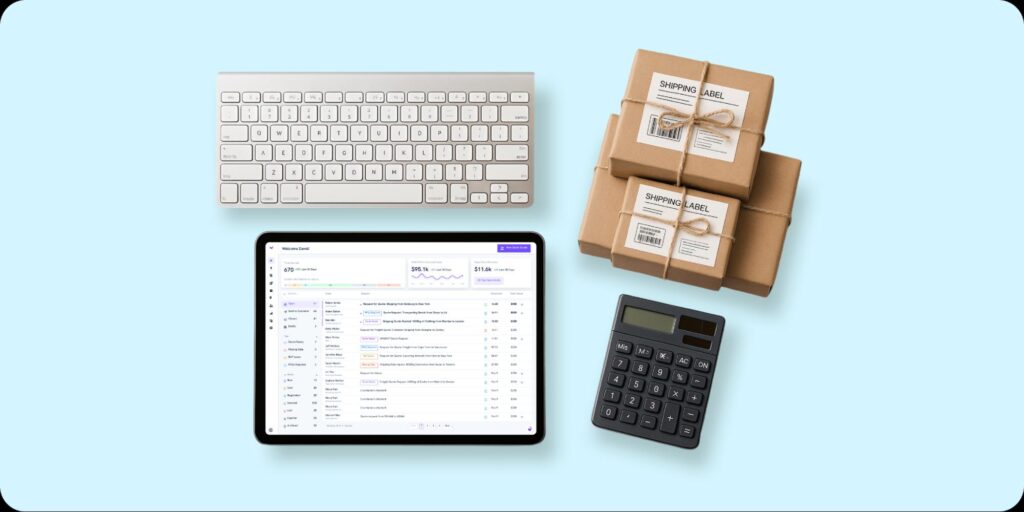
Freight quoting becomes complex when shipping terms change what services must be included in each offer. Forwarders often need to manage multiple cost components – from pickup and customs to final delivery – while keeping responses fast and accurate. Wisor addresses this by connecting intake, rate management, and quote generation into a single flow, so teams can build consistent, correctly scoped quotes faster, regardless of the Incoterm.
- Email-to-Quote Automation: Wisor’s email automation captures incoming shipment requests directly from the inbox, extracting key details like origin, destination, and service type. Instead of manually reading and re-entering request data, teams receive a structured quote input ready for pricing, regardless of which Incoterm the customer has specified. This removes the manual handling step and allows forwarders to respond faster across a high volume of daily inquiries.
- Automated Quote Generation: Wisor’s freight quoting software builds complete quotes using live rates, applied margins, and routing logic. Cost components adjust based on the selected Incoterm – for example, origin-only scope for EXW versus door-to-door for DDP – so quotes reflect the correct service coverage without manual recalculation. This reduces pricing errors and improves consistency across the team.
- Centralized Rate Management: All carrier rates, contracts, and pricing rules are stored centrally through Wisor’s CRM and rate management tools, fully integrated with the forwarder’s TMS or ERP. Teams apply the correct pricing logic for each Incoterm without switching between systems or spreadsheets, which reduces mistakes and gives operations and sales access to the same up-to-date data.
- Faster Quote-to-Revenue Cycles: By connecting request intake, pricing, and quote delivery in one flow, Wisor shortens the time between receiving a customer inquiry and sending a priced response. Faster turnaround across all Incoterms improves conversion rates and reduces the deals lost to slower competitors.
Conclusion
Incoterms create a clear structure for global trade by defining cost, risk, and responsibility between buyers and sellers. When businesses understand Incoterms, they reduce confusion in shipping contracts and improve coordination across logistics teams.
The right choice of Incoterm also improves freight quoting, customs handling, and delivery planning. However, each rule must match the transport mode, delivery point, and contract setup to avoid costly mistakes. In practice, strong Incoterm knowledge leads to faster decisions, fewer disputes, and more accurate freight execution across international supply chains.