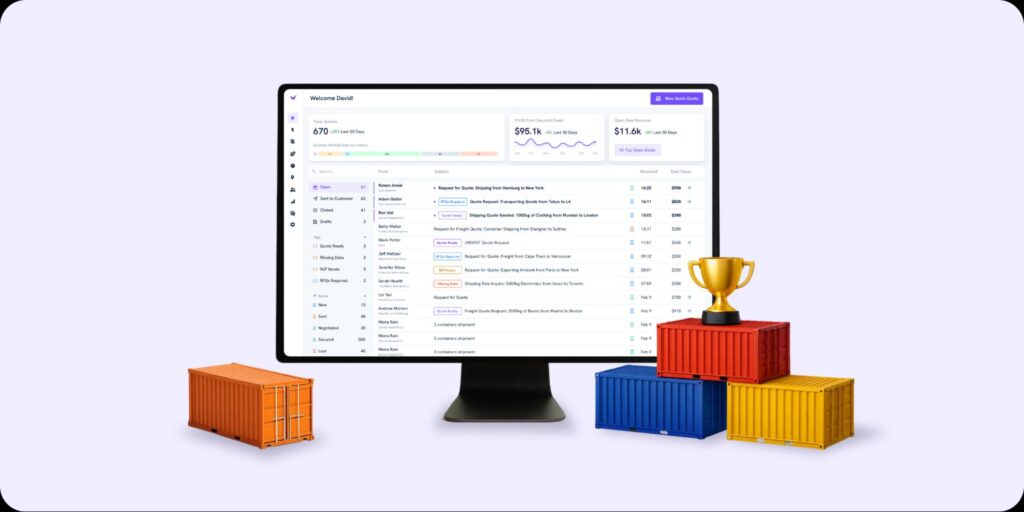


Artificial intelligence is rapidly transforming global freight forwarding by automating quoting, routing, documentation, and visibility across the supply chain. Today, many top freight forwarders face immense operational pressure caused by manual rate management, data silos, limited visibility, and pricing inefficiencies. These issues slow down even the most seasoned teams, as each shipment requires switching between tools and completing extensive manual data entry.
This is exactly where AI tools change the equation. With such systems, you can process large datasets in seconds, generate accurate quotes instantly, and predict shipment delays long before they occur. By automating repetitive workflows and enhancing decision-making, these platforms help freight forwarders work faster, reduce errors, and improve efficiency, precision, and customer satisfaction across all logistics operations.
10 Best AI Tools for Freight Forwarders
The freight forwarding industry has reached a point where digital intelligence directly influences a forwarder’s competitiveness. AI tools now power everything from quoting to predictive analytics and tracking, enabling teams to act on live data rather than traditional guesswork or fragmented processes. Below are the best AI tools for freight forwarders in 2026 – each designed to solve common pain points such as slow quoting, limited visibility, and disconnected workflows.
1. Wisor
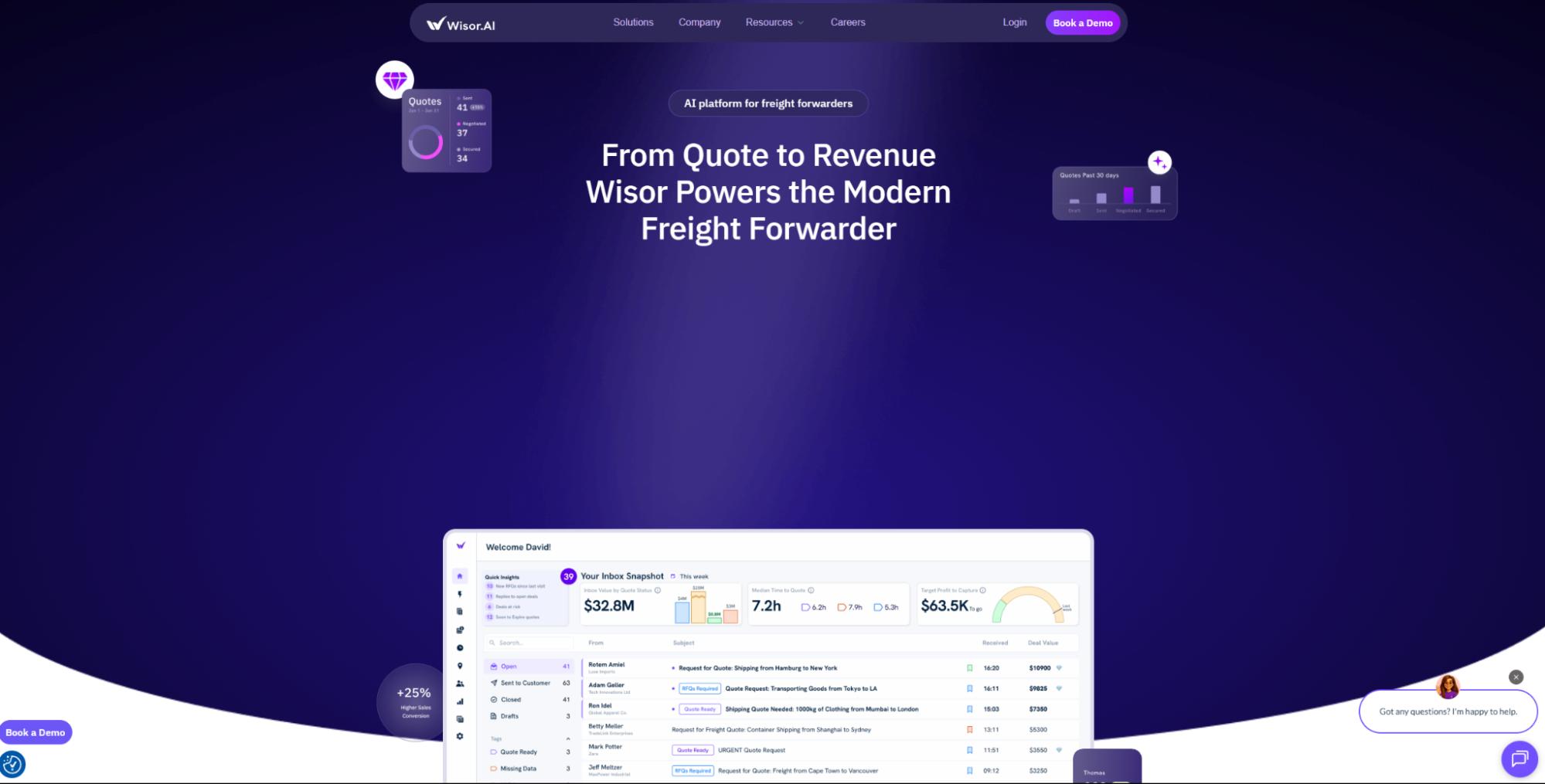
Wisor is a platform built to help freight forwarders automate quoting, booking, and shipment management end-to-end. It uses predictive analytics to generate instant and highly accurate freight rates across carriers, continuously learning from every transaction to refine future quotes and improve precision.
Wisor integrates smoothly with existing transportation management systems, allowing forwarders to manage pricing, documentation, and customer communication from a unified dashboard. By automating these time-consuming tasks, Wisor reduces manual work and significantly elevates team productivity.
Best for: Freight forwarders seeking fast quoting, reduced manual tasks, and stronger client visibility through a centralized digital platform.
2. Freightos
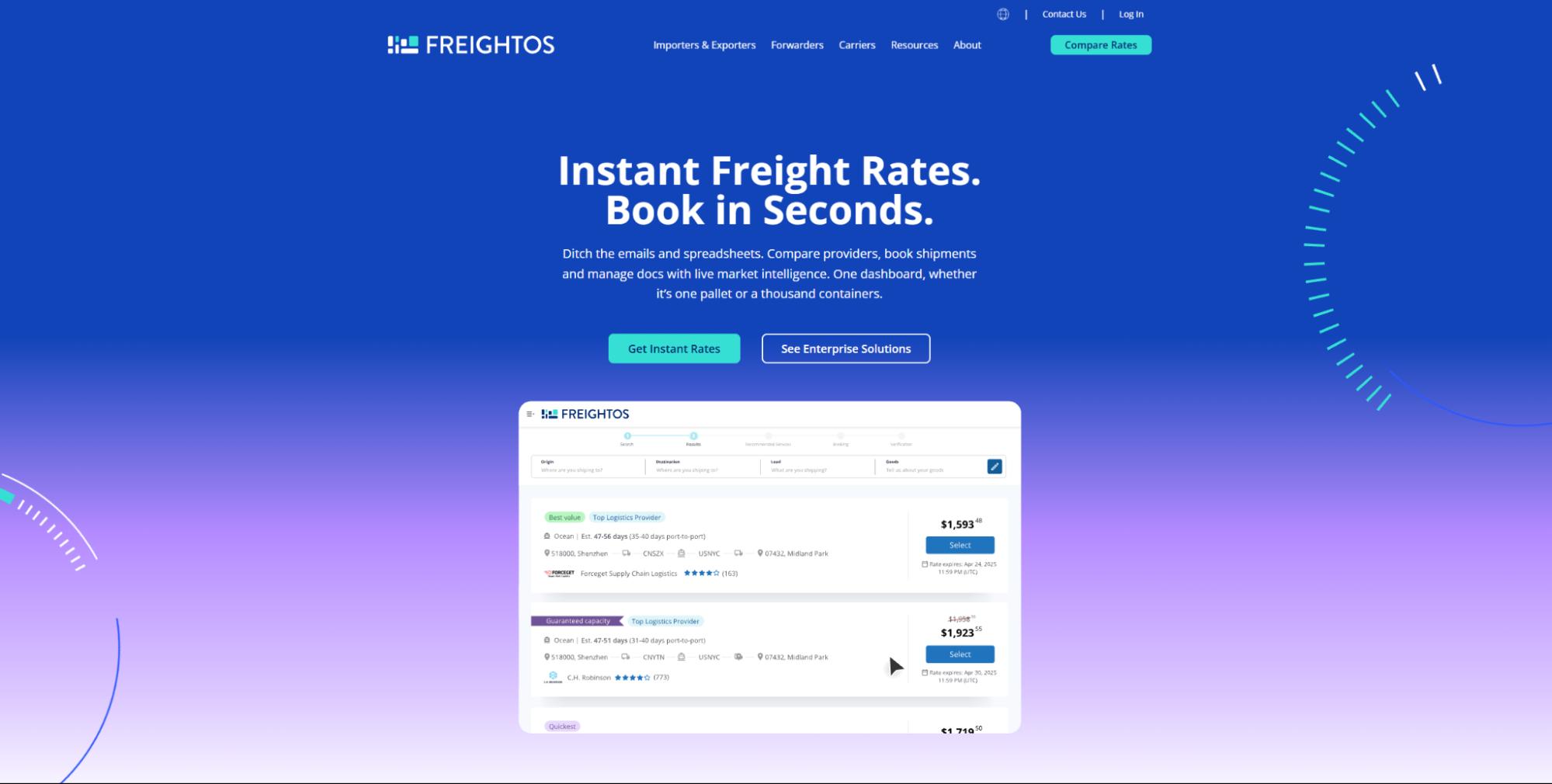
Freightos is a digital freight marketplace powered by AI, enabling forwarders to compare rates, book shipments, and automate communication with carriers. Its algorithms analyze millions of data points to recommend optimal routes and cost-efficient options.
Freightos also provides predictive visibility into schedules, helping forwarders manage expectations and avoid unnecessary delays. It is a strong choice for teams looking to digitize quoting and booking while gaining deeper operational insight.
Best for: Forwarders handling complex air and ocean shipments who need transparent pricing and instant booking across multiple carriers.
Explore the top Freightos alternatives in 2026.
3. Project44 / ClearMetal (acquired by Project44)
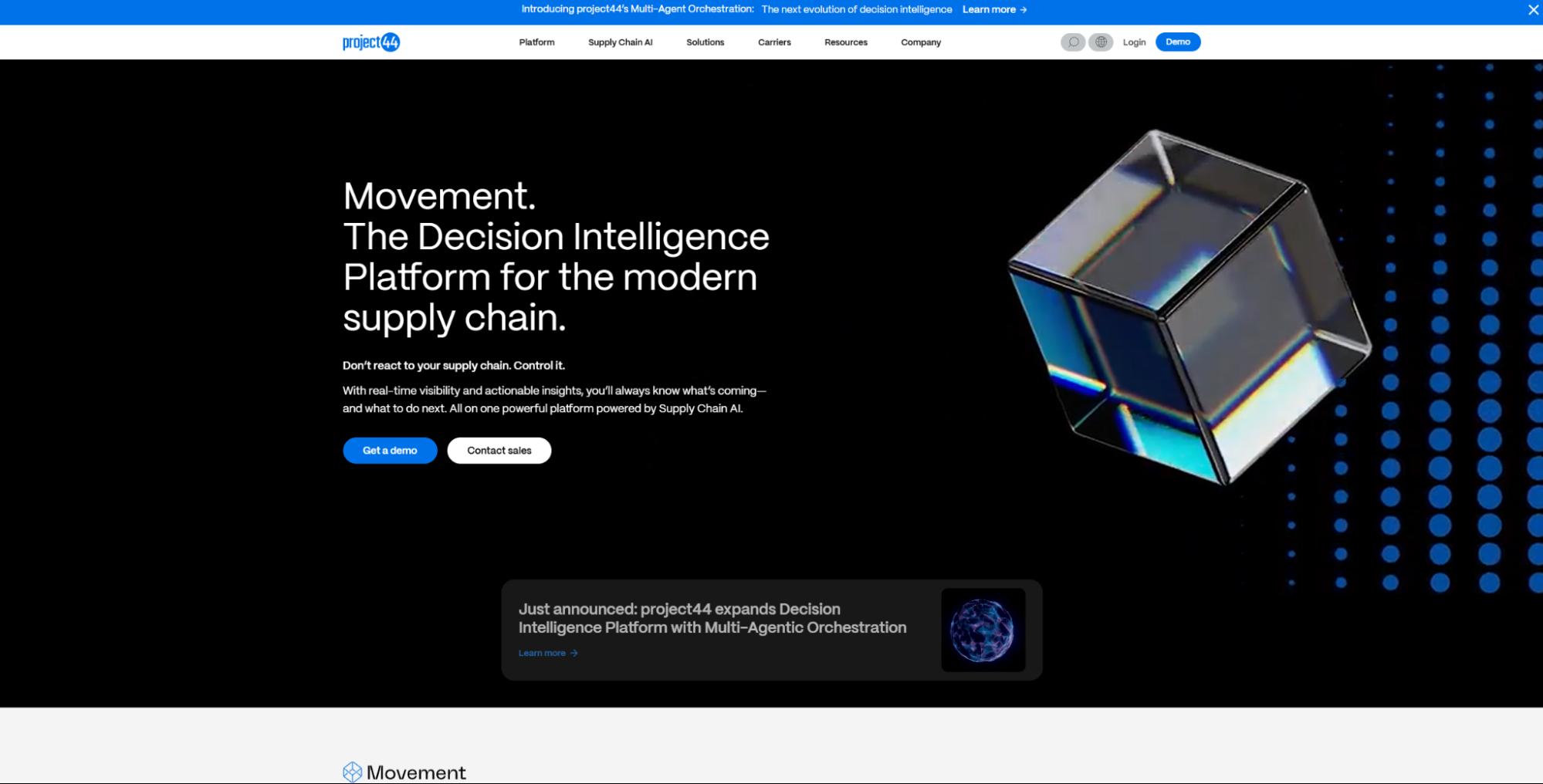
Project44, enhanced by its acquisition of ClearMetal, combines real-time visibility with predictive analytics. It connects shippers, carriers, and forwarders into a unified network, offering live shipment tracking and accurate predictive ETAs.
By using AI-driven modeling, Project44 helps forwarders optimize supply chain operations and anticipate disruptions before they occur. ClearMetal’s predictive intelligence strengthens Project44’s ability to support accurate forecasting and inventory management, making it a leader in predictive visibility.
Best for: Large logistics providers requiring accurate predictive ETAs, proactive risk mitigation, and real-time visibility across global networks.
4. E2open
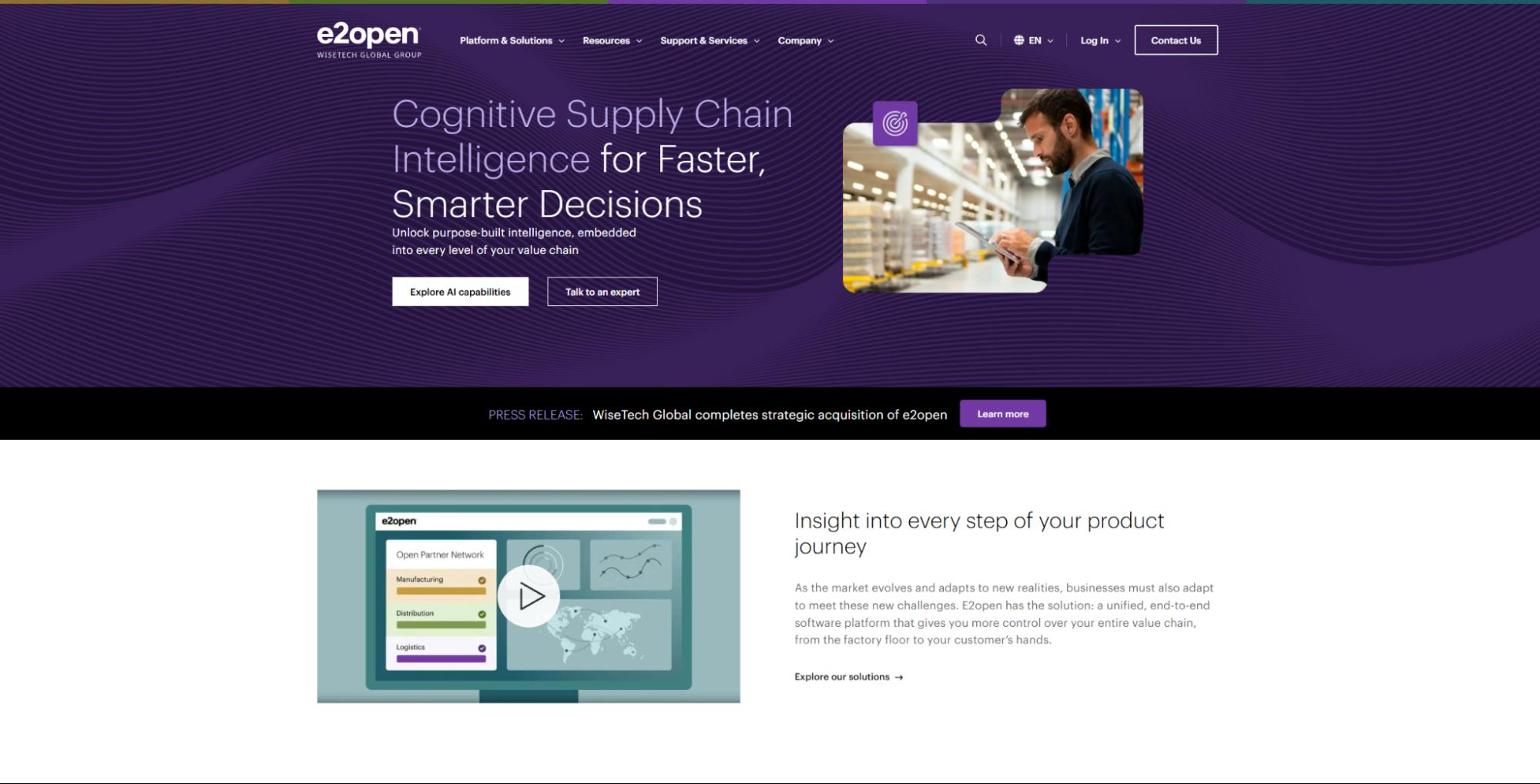
E2open offers an end-to-end transportation management ecosystem that leverages AI to improve planning, execution, and collaboration. It centralizes data across carriers, brokers, and warehouses to create a unified view of forwarding operations. Its AI-powered analytics help forwarders anticipate disruptions, optimize loads, and reduce empty miles, improving profitability and operational efficiency. E2open is particularly effective for managing complex, global networks where real-time coordination is essential.
Best for: Enterprise freight forwarders managing multi-region shipments and seeking real-time coordination, demand forecasting, and inventory optimization.
5. Flexport
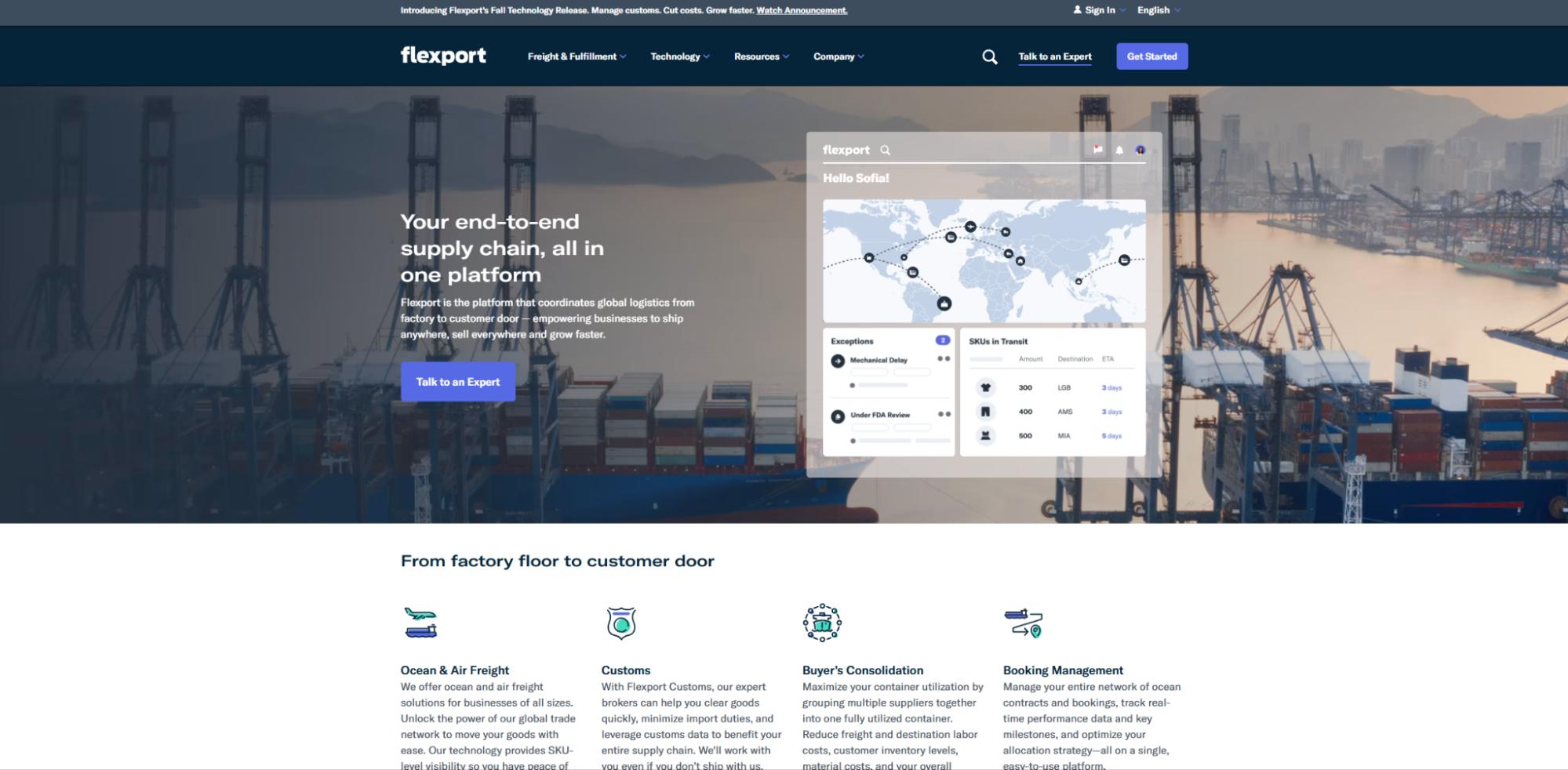
Flexport is a digital forwarding platform that combines advanced software and AI to simplify global freight operations. The system automates quotes, enables detailed shipment tracking, and supports forecasting through predictive analytics.
Its data-driven insights help forwarders make smarter decisions related to routing, scheduling, and inventory positioning. Flexport is known for its clean interface and customer-centric design, giving forwarders a straightforward way to address their most complex logistics challenges.
Best for: Companies seeking a modern, transparent forwarding experience with automated workflows and deep visibility into shipment performance.
6. Shipwell
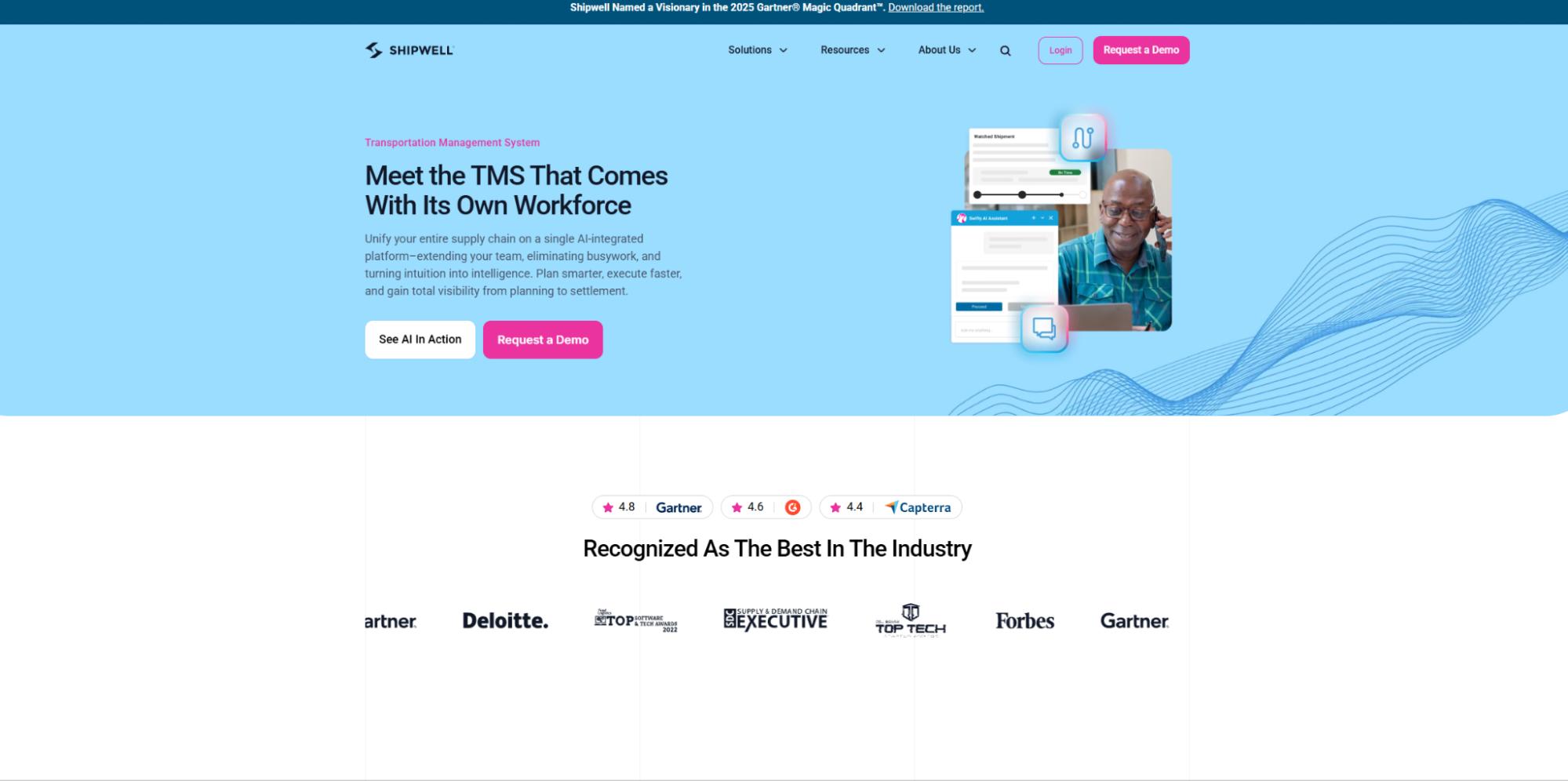
Shipwell provides a cloud-based transportation management system that integrates automation and AI into one platform. It streamlines load planning, pricing, and tracking, allowing freight forwarders to manage operations from a single interface.
Its predictive tracking, exception management, and smart routing features reduce manual work and help teams consistently improve on-time delivery. With Shipwell, forwarders gain centralized control over their logistics operations and enhanced customer satisfaction.
Best for: Mid-sized forwarders looking to unify load planning, predictive tracking, and carrier coordination within one platform.
7. FourKites
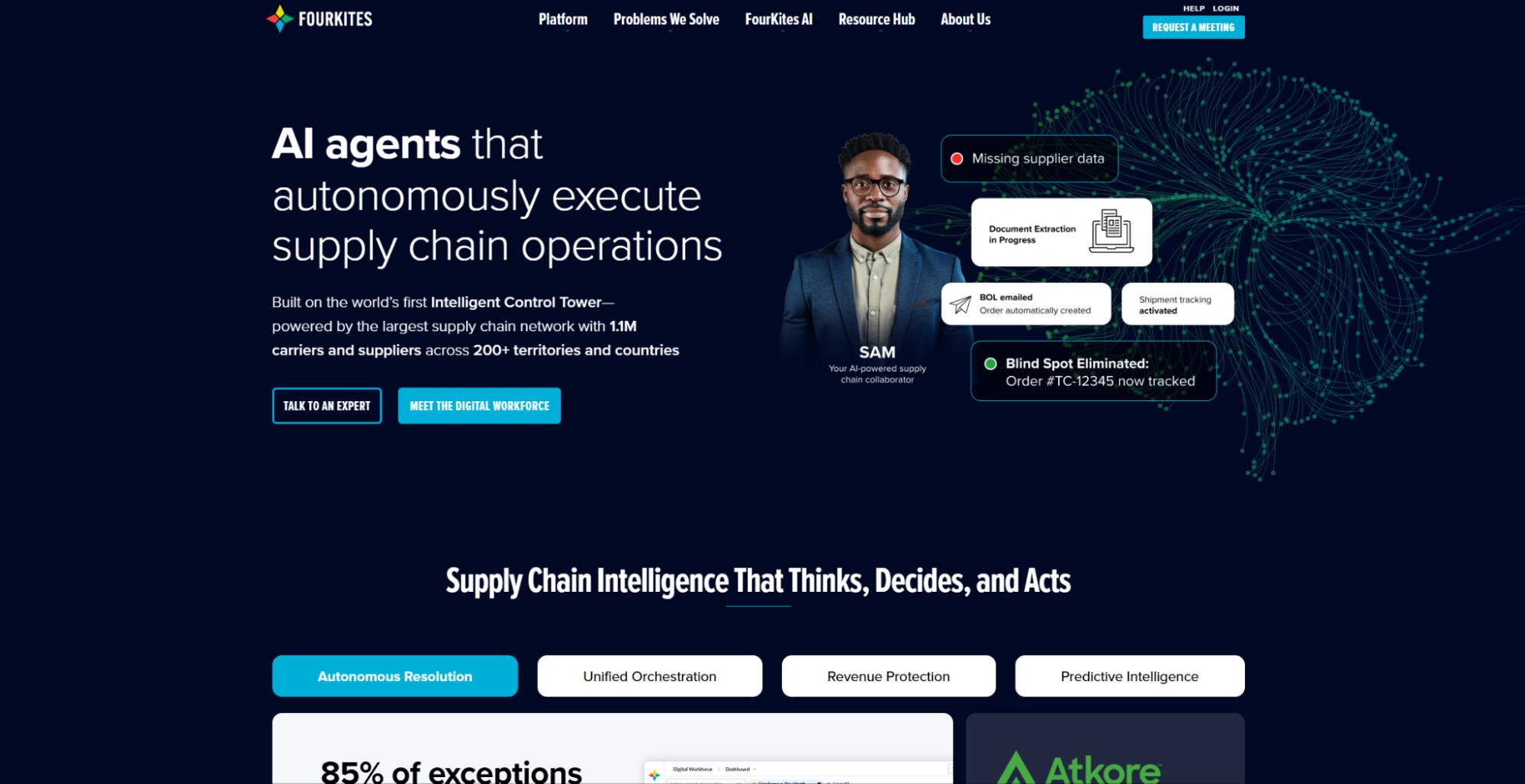
FourKites specializes in real-time visibility across all modes of transport. Its AI agents track shipments globally, using predictive analytics to estimate arrival times and anticipate disruptions.
By analyzing both historical and live data, FourKites enables forwarders to respond proactively to issues such as port congestion or weather conditions. The result is improved logistics performance and consistent, accurate communication with clients.
Best for: Forwarders and shippers focused on real-time shipment visibility, predictive tracking, and precise customer communication.
8. Cargobase
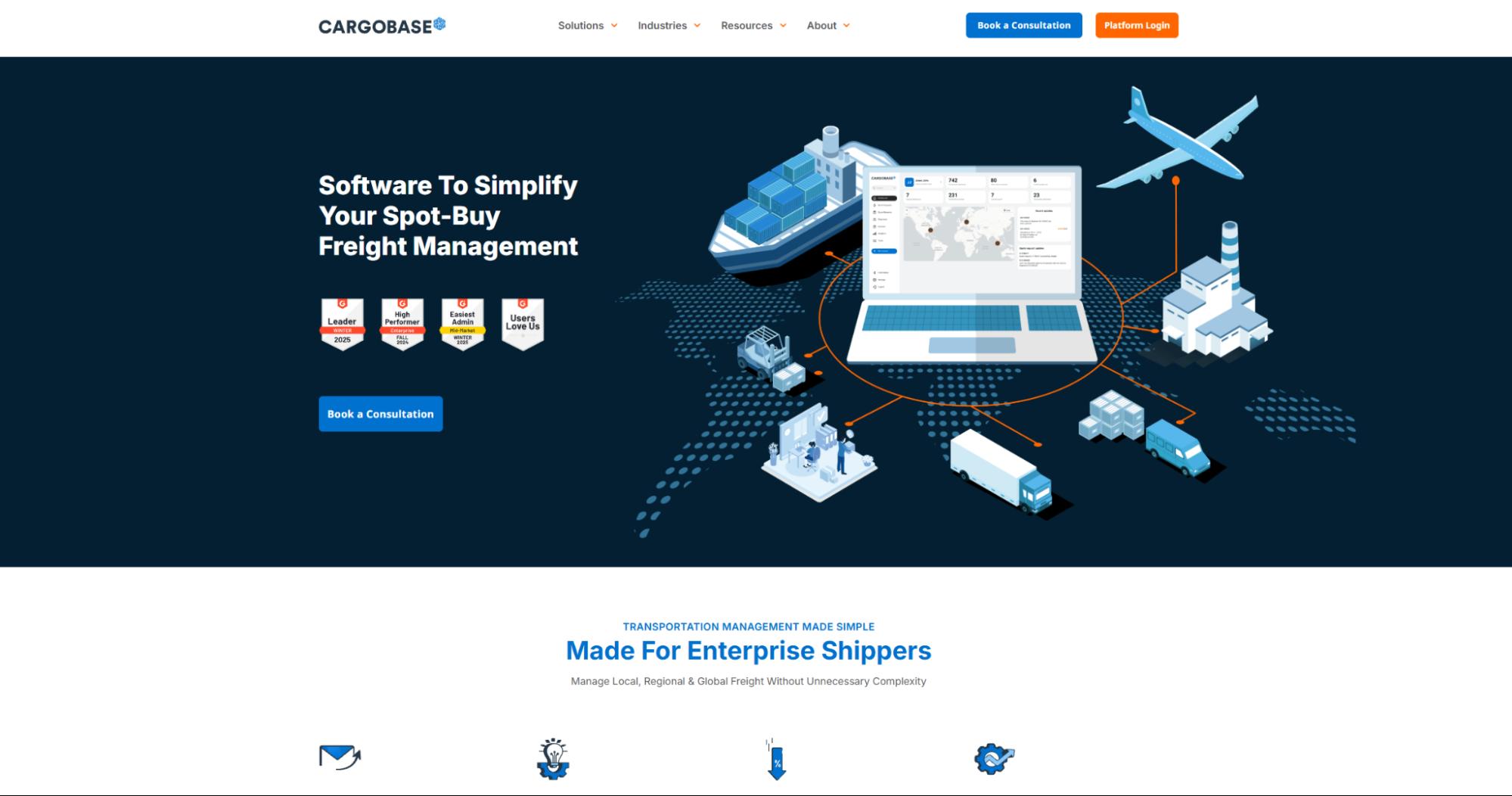
Cargobase is designed to simplify spot-buy freight management through AI-enabled quoting, tendering, and real-time tracking. It allows forwarders to compare carriers instantly and make faster, more informed decisions.
Its automation reduces pricing errors and enhances cost accuracy, while its analytics provide a detailed breakdown of spend and performance trends. This gives forwarders greater control over their budget and spot-buy operations.
Best for: Forwarders handling frequent spot quotes who need quick rate validation, spend tracking, and tender automation across carriers.
9. Logixboard
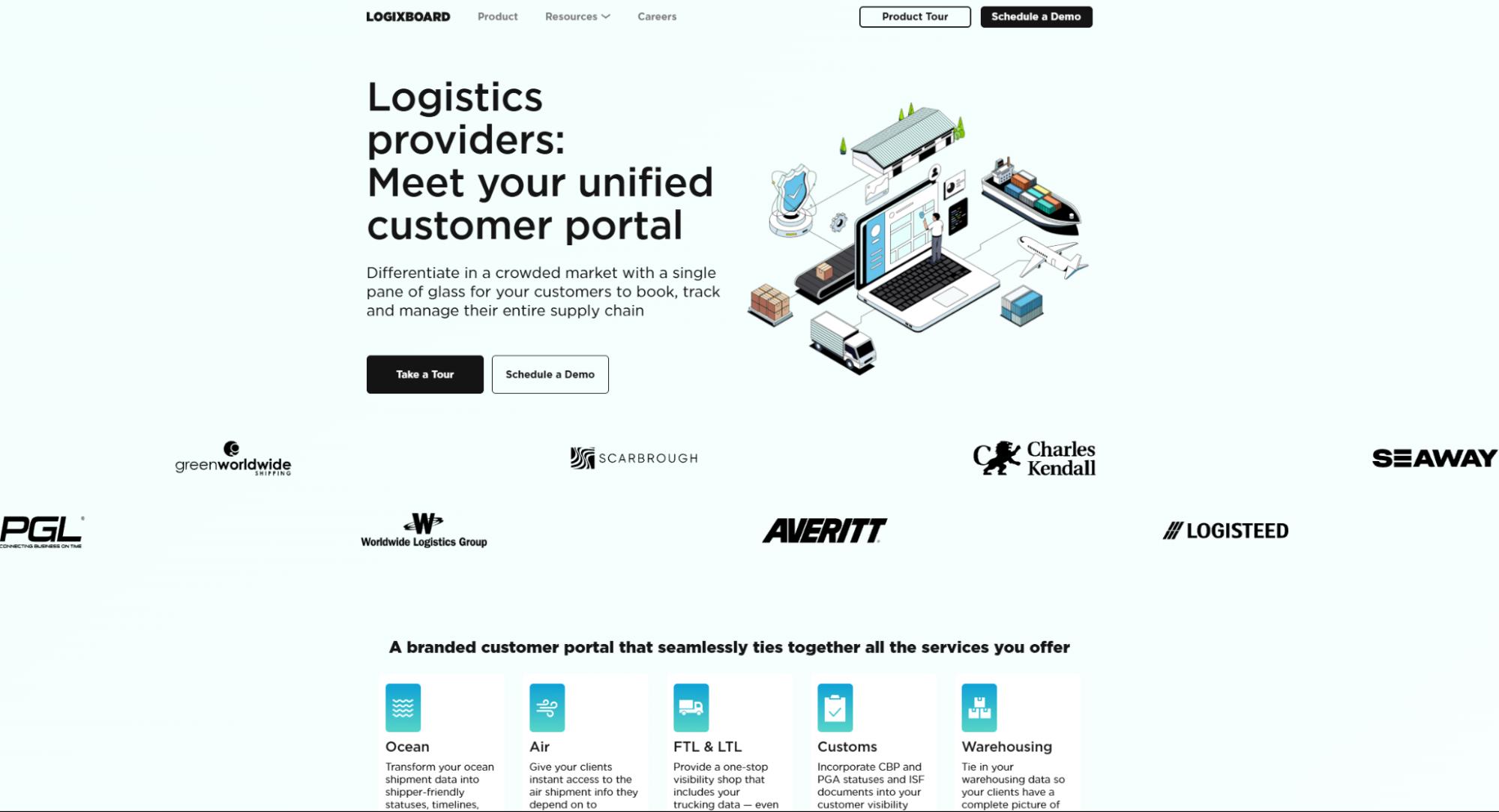
Logixboard provides a digital customer-experience platform for freight forwarders, connecting seamlessly to existing TMS systems and surfacing shipment data through clean, modern dashboards.
Its AI capabilities support workflow automation and generate insights into customer behavior, helping forwarders enhance satisfaction and reduce support workloads. With Logixboard, forwarders can deliver a transparent, digital-first experience to their clients.
Best for: Forwarders looking to increase customer retention through transparent shipment visibility, predictive updates, and intuitive digital dashboards.
10. Descartes Systems Group
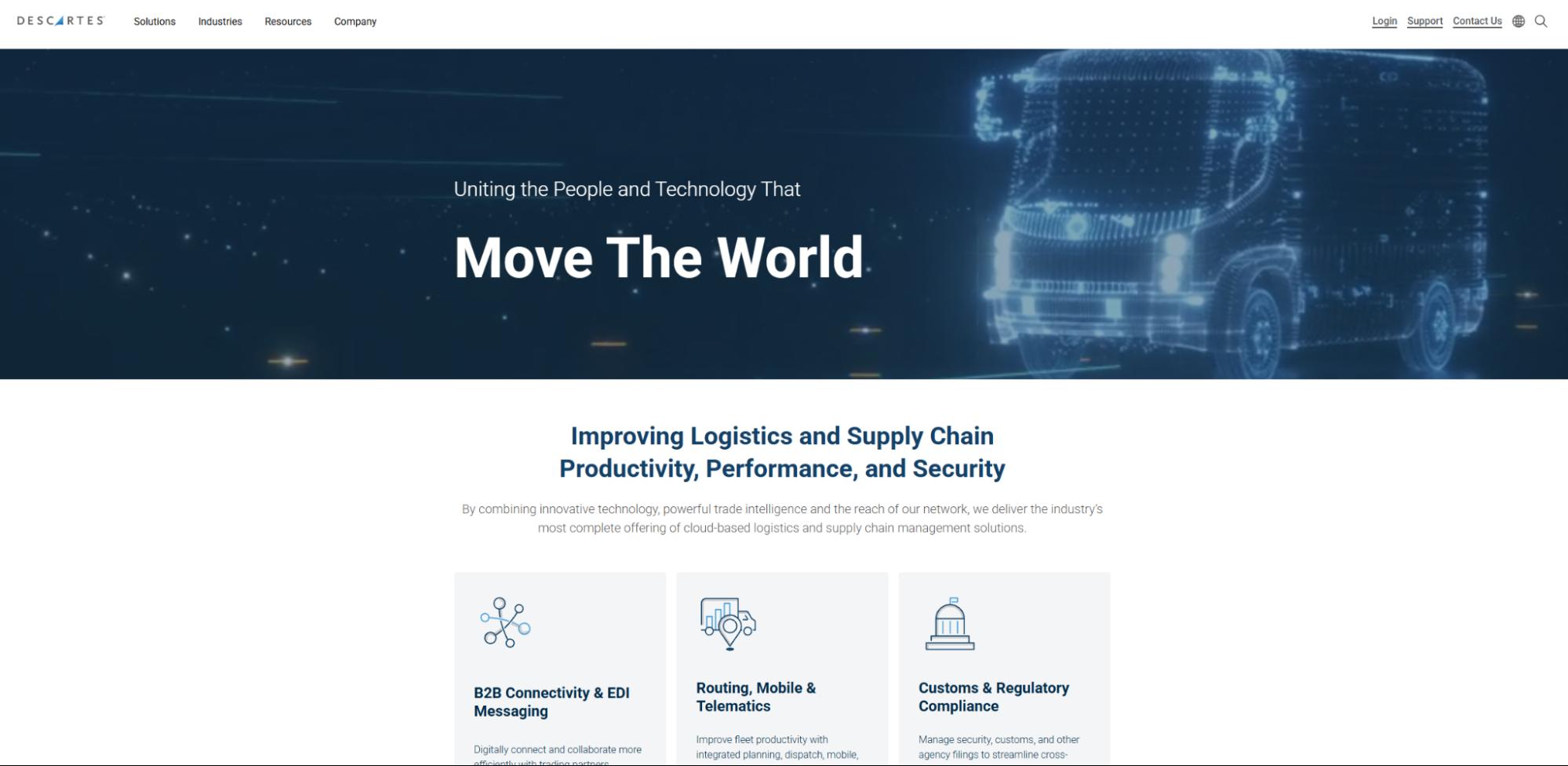
Descartes is an established leader in logistics automation, offering solutions for freight management, customs compliance, and route optimization. Its AI-powered systems streamline documentation, tracking, and reporting across global operations.
Descartes integrates with a wide network of carriers and regulatory systems, making it a comprehensive choice for international freight forwarding. Its predictive analytics reduce delivery risks and improve operational accuracy.
Best for: Global forwarders managing high shipment volumes who require secure automation for compliance, routing, and document management.
AI Tools for Freight Forwarders: Comparison Table
Choosing the right freight forwarding platform is more challenging than it appears. Many solutions claim to automate the same workflows but differ greatly in their capabilities. The comparison table below summarizes each tool’s primary function, strengths, and best use cases, helping you quickly evaluate how they align with your freight forwarding goals:
|
Tool |
Core Function | Key Strengths |
Best For |
| Wisor | Automated quoting and booking | Predictive analytics, workflow automation | Small to mid-size forwarders |
| Freightos | Digital freight marketplace | Real-time rate comparison, automated booking | Air and ocean freight management |
| Project44 | Predictive visibility | AI-based ETA and disruption alerts | Large enterprises |
| E2open | End-to-end logistics management | Global data integration, load optimization | Complex, multi-region logistics |
| Flexport | Digital forwarding platform | Predictive analytics, user-friendly interface | Forwarders and importers |
| Shipwell | Cloud-based TMS | Smart routing, automated workflows | Mid-sized logistics companies |
| FourKites | Real-time shipment visibility | Predictive ETAs, analytics | Forwarders focused on transparency |
| Cargobase | Spot-buy management | Cost control, fast carrier comparison | Mid-sized forwarders |
| Logixboard | Customer engagement dashboard | Client visibility, predictive updates | Forwarders improving customer service |
| Descartes | Global logistics automation | Compliance, documentation automation | Global enterprise forwarders |
Essential Features to Look for in an AI Tool for Freight Forwarders
Not all AI tools for freight forwarding provide the same level of value. Some specialize in predictive visibility, while others focus more on automating quotes or reducing paperwork. Understanding which features matter most to your operations is essential. The following list outlines the capabilities that define an effective AI-driven freight forwarding system:
- Automated Quoting & Rate Optimization: A strong AI tool must deliver automated quoting and rate optimization. These systems evaluate carrier rates, transit times, and lane performance in real time, then compare thousands of potential combinations to determine the most cost-efficient option within seconds.
- Predictive Shipment Tracking: By applying predictive analytics, modern tools forecast delays, recommend preventive actions, and pinpoint root causes before they escalate. With these capabilities woven into daily supply chain operations, forwarders can minimize costly disruptions and maintain more reliable delivery timelines.
- Smart Routing & Load Optimization: AI excels at identifying the most efficient routing strategies. These systems optimize routes, balance capacity across carriers, and group compatible loads to reduce empty miles. With such optimizations, freight forwarders improve operational accuracy while becoming more sustainable and more profitable.
- Document Automation: Documentation has long been one of freight forwarding’s most time-consuming tasks. AI-driven document management addresses this challenge by automating data capture, validating entries, and ensuring compliance with customs and trade regulations. Most importantly, it significantly reduces time spent on manual data entry.
- Integrated Analytics & Insights: Modern freight forwarding requires unified visibility into performance metrics, shipment trends, inventory behavior, and partner reliability. With dashboards that consolidate this data and provide insights powered by predictive analytics, freight forwarders can make informed decisions grounded in real operational patterns.
- Customer Communication Automation: AI-powered chat and notification systems keep customers informed in real time with shipment updates, delivery forecasts, and exception alerts. This high level of automation boosts transparency, strengthens trust between forwarders and clients, and reduces hours spent on manual follow-ups.
- Multi-Carrier Integration: A versatile AI tool connects directly to multiple carriers, freight platforms, and data sources through one interface. It consolidates schedules, rates, and tracking information, simplifying management and improving accuracy across diverse logistics operations.
How to Choose the Right AI Tool for Freight Forwarding
With so many available options, selecting the right AI tool can feel overwhelming. The decision requires a structured approach that considers integration, scalability, and long-term ROI. This section outlines a practical framework to help you choose an AI solution that fits your business model and supports the long-term growth of your freight forwarding operations.
|
Factor |
What It Means |
Why It Matters for Freight Forwarders |
| Define Your Operational Bottlenecks | Identify where time, errors, or costs build up, such as quoting, routing, or documentation. | Helps you select an AI system that directly addresses your biggest pain points and improves efficiency. |
| Assess Integration Needs | Check whether the software connects easily with your current transportation management systems, ERP, and CRM tools. | Ensures smooth data flow and prevents information gaps or duplicate work. |
| Prioritize Scalability and Flexibility | Choose a platform that can handle more shipments, routes, and users as your business grows. | Supports long-term expansion without needing frequent system changes. |
| Evaluate Data Privacy and Security | Review the provider’s data policies and compliance with international regulations. | Protects sensitive client and shipment data, building trust and ensuring compliance. |
| Check for Training and Support | Look for onboarding resources, live support, and user training options. | Speeds up adoption and helps teams get the most out of AI features. |
| Calculate ROI and Adoption Impact | Estimate savings from reduced manual data entry, faster quotes, and fewer shipment errors. | Measures the real financial and operational value of your AI investment. |
How Wisor Helps Freight Forwarders Automate Operations with AI
Wisor stands out among modern AI tools for its depth, ease of use, and ability to unify quoting, forecasting, and workflow automation in a single platform. It streamlines daily forwarding operations by reducing manual tasks, improving pricing accuracy, and enabling teams to make faster, data-backed decisions.
- Instant, Accurate Quotes: Wisor’s AI engine analyzes carrier rates, lane performance, fuel costs, and transit times to generate instant, market-accurate freight quotes. This removes the guesswork of manual pricing and ensures consistent margins while speeding up responses to clients.
- Workflow Automation: The platform automates repetitive operational tasks such as scheduling, document generation, and carrier communication—so teams can focus on customer relationships instead of manual workload. This creates smoother end-to-end processes from quoting to invoicing.
- Predictive Analytics: Wisor uses predictive analytics to identify shipment risks, rate fluctuations, and demand trends before they occur. By combining historical patterns with live data, it guides better route planning, inventory decisions and rate management, directly improving profitability.
- System Integration: Built for seamless connectivity, Wisor integrates with CRMs, ERPs, and TMS platforms to unify data across departments. This eliminates silos, keeps all teams aligned on real-time information, and reduces operational errors.
- Client Experience Optimization: Wisor enhances customer experience through intuitive dashboards and real-time shipment updates. Clients gain full visibility without constant follow-ups, improving trust, transparency, and long-term retention.
- AI-Powered Forecasting: Wisor’s forecasting engine monitors rate movements, seasonal patterns, and carrier availability to anticipate future shipping conditions. This helps forwarders plan capacity, pricing strategies, and inventory decisions well ahead of demand spikes.
Conclusion
Modern freight forwarding is increasingly shaped by automation and data intelligence. In 2026 and beyond, forwarders who rely on outdated manual processes risk falling behind competitors already embracing AI-driven operations.
Tools like Wisor demonstrate how AI can fundamentally improve how forwarders quote, track, and manage shipments, creating streamlined workflows and more resilient logistics operations.
Ultimately, the right tool depends on your business size, integration needs, and future growth plans. With a well-chosen AI solution, you can strengthen your operations, increase profitability, and build long-term resilience in a rapidly evolving logistics landscape.