The freight industry keeps evolving, and technology now drives most daily operations. For freight forwarders, speed, accuracy, and control matter more than price alone. A modern transportation management system helps companies plan loads, manage costs, and stay competitive. By 2026, the competitive divide will be defined by automated rate ingestion and AI-driven quoting, as firms move away from legacy manual data entry to maintain shrinking margins. From shipment tracking to handling international freight, today’s tools must support complex workflows.
This guide looks at the best TMS platforms for freight forwarders and explains why these platforms matter. Whether you focus on freight forwarding, work with freight brokers, or offer managed transportation services, the right system can reduce errors and improve visibility across every shipment.
8 Best TMS Platforms for Freight Forwarders
Choosing the right transportation management system can shape how freight forwarders compete in 2026. The platforms below support daily planning, cost control, and reliable shipment tracking across complex supply chains.
From global freight forwarding to regional work with freight brokers, each solution solves a different problem. The following list highlights the best TMS for freight forwarders based on real operational value, not hype, and shows where each system fits best in the freight industry.
1. Wisor

Wisor stands out in the freight industry as a flexible AI quoting/rate automation tool with a transportation management system that helps freight forwarders run day-to-day work in a single place. The platform offers strong TMS integration for route planning, automated rates, and shipment tracking that help reduce delays.
Users who focus on freight forwarding appreciate how Wisor connects carriers, customers, and internal teams with clear dashboards. It supports collaboration across teams and improves visibility on each load without complex setup.
For smaller teams launching digital tools, Wisor has easy onboarding and solid analytics for performance and costs. It excels at core tasks most freight brokers and forwarders need. For firms exploring managed transportation services, Wisor gives control and clarity to every move.
Best for: Small to mid-sized freight forwarders and agile freight brokers seeking freight automation tools with fast setup and clear visibility.
2. CargoWise

CargoWise delivers expansive TMS software built for global scale. Many freight forwarders rely on it to handle customs, documentation, and international freight moves across borders. The platform links core transportation management system features with warehousing, compliance, and pricing engines.
Freight brokers like how CargoWise integrates tendering and carrier tools into one environment. It supports advanced shipment tracking and automates processes that often slow teams down. For companies offering managed transportation services, the system’s depth helps cut manual work and errors.
Even though implementation may take longer than lighter tools, the payoff shows in fewer data gaps and stronger reporting. CargoWise is designed for enterprises requiring a global single-platform database to manage complex customs entries and cross-border regulatory compliance. If global work defines your operations, this solution delivers powerful reach.
Best for: Large global forwarders handling international freight who need deep compliance, automation, and enterprise-grade transportation management system features.
3. Magaya
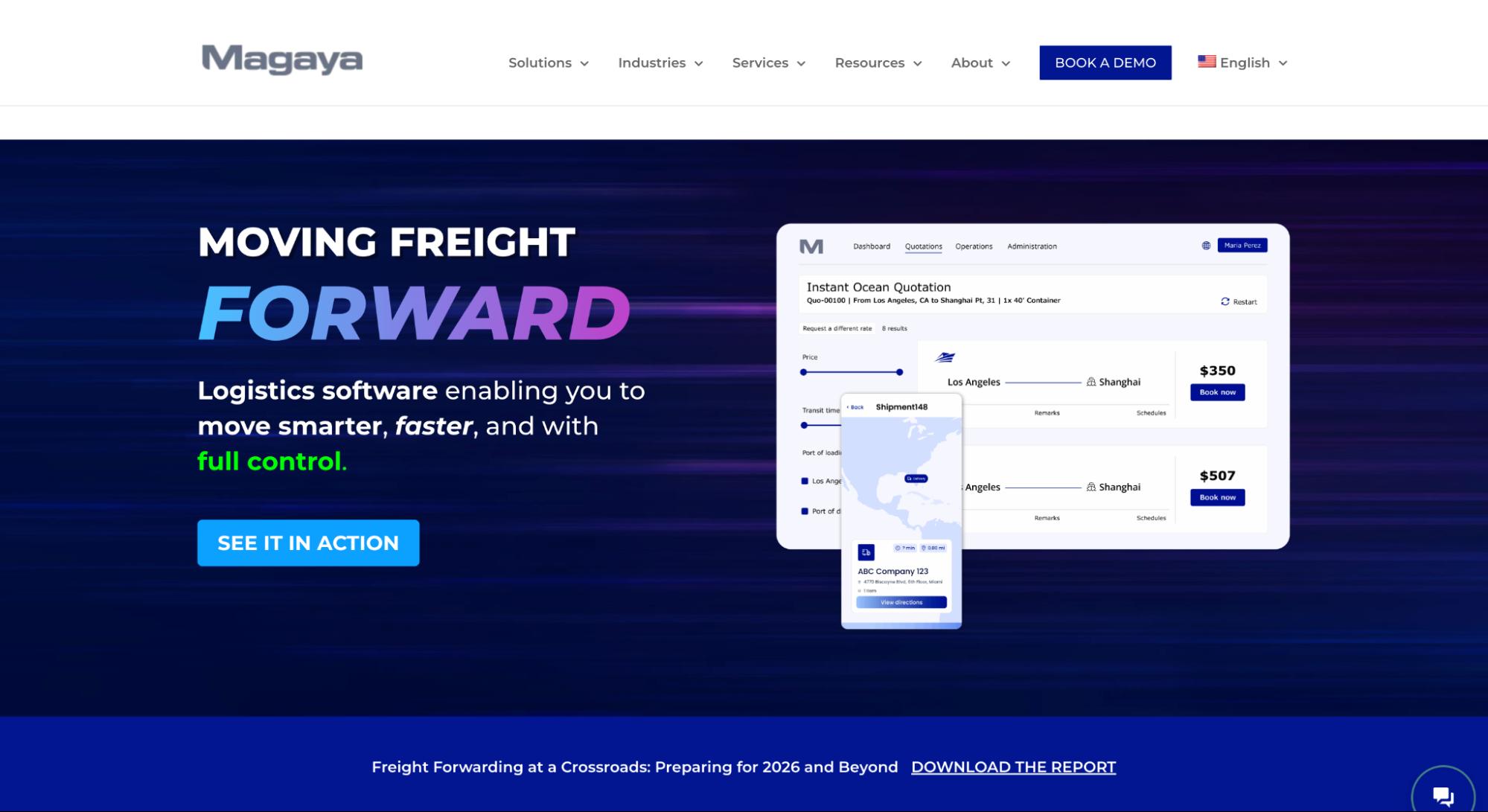
Magaya offers a unified transportation management system with strong support for forwarders of all sizes. Its TMS software blends core freight operations with finance, compliance, and warehouse functionality.
Teams that focus on freight forwarding benefit from tools that handle quotes, booking, and digital documentation without switching screens. The platform’s shipment tracking gives clear updates to internal teams and external partners. Freight brokers value how Magaya connects tendering with carrier performance metrics.
For companies providing managed transportation services, the system’s automation cuts delays and improves accuracy. Magaya also supports cross-border work and can scale as your customer base grows. While its interface may feel dense at first, the overall productivity gains make the learning curve worthwhile. If you want an all-in-one system with a strong global reach, Magaya fits well.
Best for: Growing forwarding companies that want all-in-one TMS software covering operations, finance, and tracking without heavy customization.
4. Descartes Forwarder Enterprise

Descartes Forwarder Enterprise serves freight forwarders with a focus on compliance and global workflows. This transportation management system blends core TMS software tools with customs, regulatory checks, and partner connectivity.
For teams handling international shipments, Descartes makes paperwork and border requirements easier to manage. Freight brokers benefit from automated rating tools and clear shipment tracking across partners.
The system also supports freight forwarding tasks like booking, invoicing, and performance reporting. If your team offers managed transportation services, the platform’s breadth reduces manual steps and speeds processing.
While it may require more setup than simpler solutions, its compliance depth helps firms avoid fines and delays on cross-border freight. For forwarders focused on accuracy and risk control, Descartes Forwarder Enterprise brings strong tools to daily operations.
Best for: Compliance-focused freight forwarders managing complex freight flows who need structured processes and reliable TMS controls.
5. E2open (BluJay TMS)
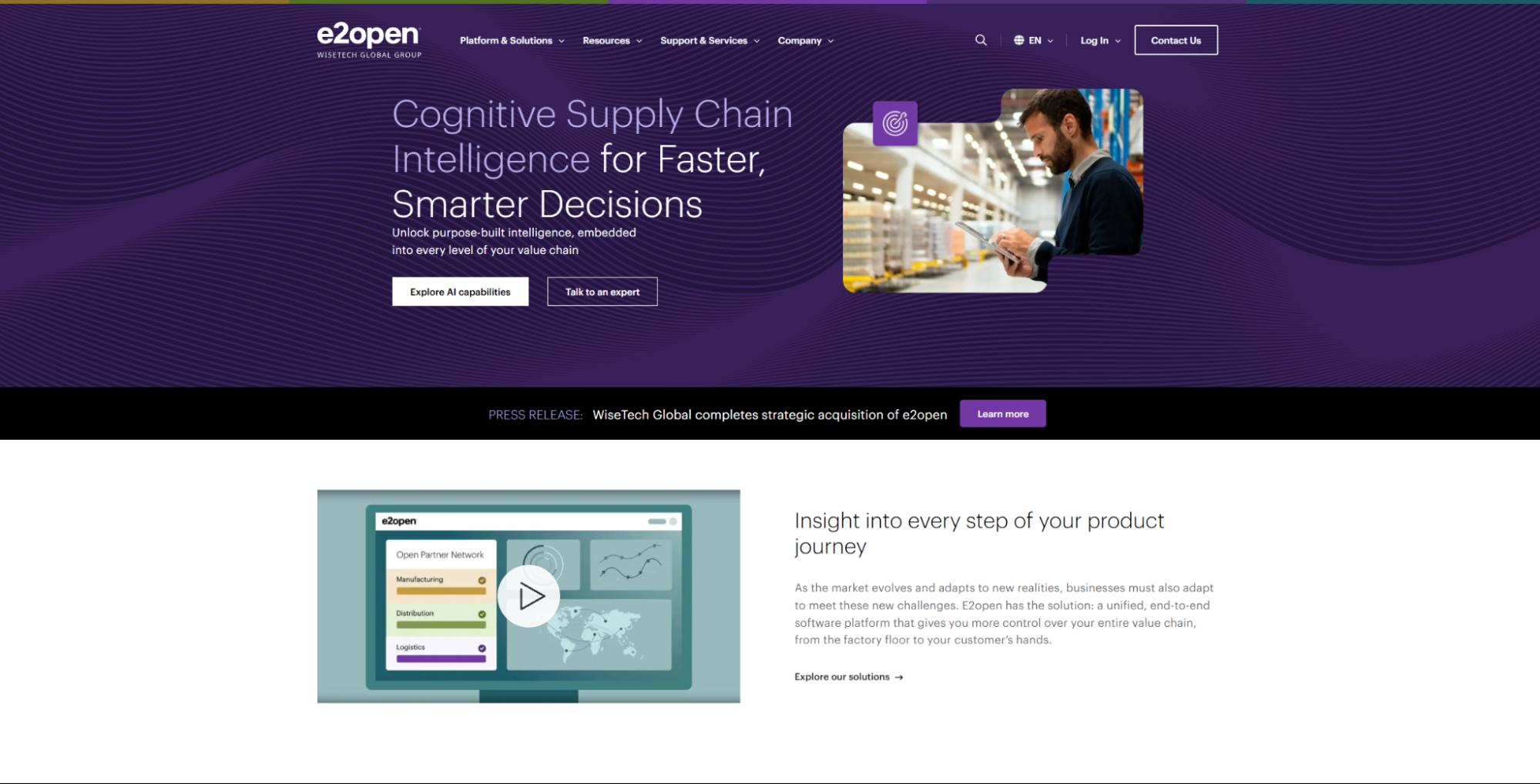
E2open (BluJay TMS) gives freight forwarders a powerful transportation management system that ties planning, execution, and partner data into one workflow. Its TMS software supports pricing, tendering, and automated load assignments that help teams keep pace.
Freight brokers benefit from dynamic rate tools and routing suggestions that aid decision-making. The platform’s shipment tracking shows real-time updates across carriers and lanes.
For those handling freight forwarding, E2open blends visibility with analytics to reduce delays and costs. If your organization offers managed transportation services, this system scales across lanes and partners without complex add-ons. The platform streamlines global trade compliance and sophisticated reporting for high-velocity supply chains.
Best for: Freight brokers and forwarders offering transportation services that need scalable planning, analytics, and network-wide visibility.
6. FreightPOP
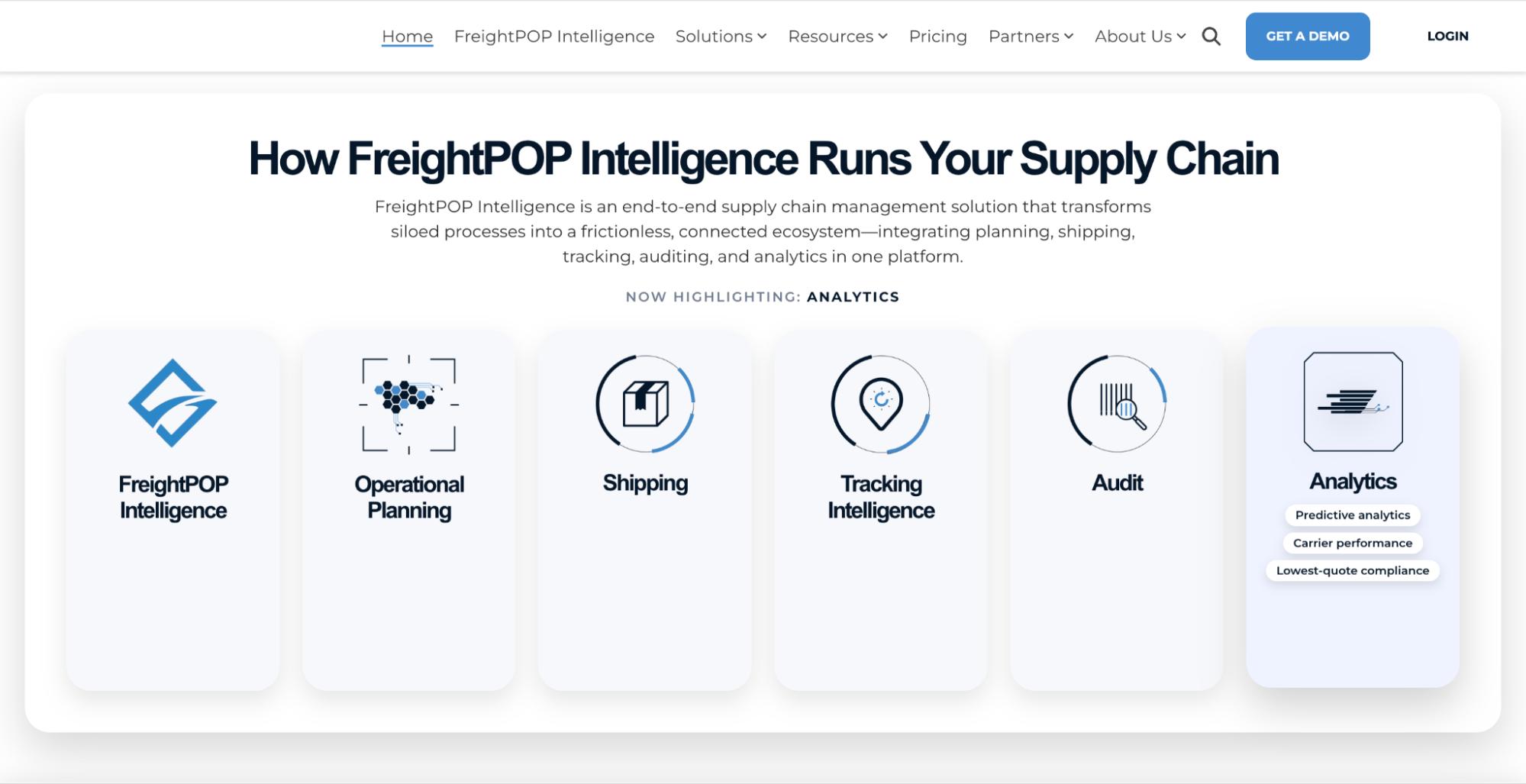
FreightPOP appeals to freight forwarders who want simple, intuitive TMS software that connects carriers and data quickly. The transportation management system offers clear tools for quoting, booking, and monitoring shipments with minimal setup.
Freight brokers value its central dashboard that brings multiple carriers into view for pricing and comparison. The platform’s shipment tracking keeps everyone informed on milestones and exceptions.
For teams in freight forwarding, FreightPOP removes the need for scattered tools and spreadsheets. It also links with existing systems, so data stays consistent across billing and customer portals.
If your team is exploring managed transportation services, this system offers a clean start without a heavy IT lift. While not as deep as some global solutions, FreightPOP delivers clarity for daily tasks and helps new teams get results fast.
Best for: Small teams and regional freight forwarders that want easy-to-use TMS software for quoting, booking, and basic shipment tracking.
7. Transporeon

Transporeon focuses on real-time collaboration between freight forwarders, carriers, and customers. This transportation management system offers strong tools for planning, tendering, and tracking in shared networks.
Freight brokers appreciate how easily they can compare carriers and route options without juggling multiple tools. The platform also supports dock scheduling and performance reporting that keep operations aligned.
For freight forwarding teams, Transporeon strengthens partner communication and reduces delays on pickup and delivery. If your business offers managed services, the real-time updates and data sharing cut friction and improve reliability.
While it may lean toward network-centric users, its focus on timely visibility makes it worth a look. For teams that value connection with carriers and clear movement data, Transporeon delivers practical tools.
Best for: Network-driven freight brokers and freight forwarders who rely on real-time collaboration, carrier connectivity, and shared TMS data.
8. Alpega TMS
Alpega TMS gives freight forwarders a broad set of TMS software tools that cover planning, execution, and partner engagement. Its transportation management system supports rate management, tendering, and optimization for both road and intermodal moves.
Brokers value how Alpega brings carrier performance and pricing data into a single workflow. The platform’s shipment tracking keeps your team and customers in sync on progress and exceptions.
In freight forwarding, these tools help reduce manual work and speed up decision-making. For firms offering managed services, Alpega scales with routing complexity and freight volumes. It also supports data exchange with partners and customers. While the system may require training for full use, its depth helps teams operate more predictably and with fewer errors.
Best for: Mid to large freight forwarders managing high volumes who need robust TMS software for optimization, tendering, and carrier performance tracking.
TMS Comparison Overview for Freight Forwarders
This comparison gives freight forwarders a clear view of how each transportation management system differs in structure and focus. Instead of features alone, it highlights deployment style, core strengths, and real use cases across freight forwarding and working with freight brokers. The table below helps you match the right TMS software to your scale, network, and service model in the freight industry:
| Tool | Deployment Model | Core Freight Capabilities |
Best For |
| Wisor | Cloud-based | Quoting, routing, shipment tracking, and carrier coordination. | Small to mid-sized freight forwarders. Agile forwarders looking to digitize their quoting process in days, not months. |
| CargoWise | Cloud / Enterprise | Customs, compliance, international freight, and end-to-end control. | Global freight forwarding operations. |
| Magaya | Cloud-based | Operations, finance, documentation, and tracking. | Growing freight forwarders. |
| Descartes Forwarder Enterprise | Cloud / Hybrid | Compliance, customs, and global visibility. | Regulation-heavy international freight. |
| E2open (BluJay TMS) | Cloud-based | Planning, tendering, analytics, and scalability. | Managed transportation services. |
| FreightPOP | Cloud-based | Rating, booking, and carrier integration. | Regional freight brokers. |
| Transporeon | Cloud network | Real-time collaboration, and carrier connectivity. | Network-driven freight forwarders. |
| Alpega TMS | Cloud-based | Optimization, tendering, and performance tracking. | High-volume freight forwarding teams. |
What Freight Forwarders Need From a Modern TMS
A modern transportation management system helps freight forwarders stay competitive in 2026. Rising costs, tighter margins, and complex workflows leave little room for error. The right TMS software supports faster decisions, better control, and clear visibility across freight forwarding operations. These core capabilities define what a reliable system must deliver in today’s freight industry.
- Multi-Modal Shipment Management (Air, Ocean, Road): A modern transportation management system must manage air, ocean, and road freight in one workflow. Many freight forwarders handle mixed routes on a single job, especially in international freight. Without unified control, teams lose visibility and create delays. Strong TMS software keeps documents, milestones, and shipment tracking aligned across all transport modes, which reduces handoffs and manual errors.
- Contract and Spot Rate Management: Rate volatility affects every part of the freight industry. Freight forwarders and freight brokers need fast access to contract pricing and real-time spot rates. A capable TMS stores negotiated rates, applies them correctly, and compares options during quoting. This protects margins and supports consistent pricing decisions.
- RFQ and Quote-to-Booking Workflows: Slow quoting costs the business. The best TMS software moves RFQs from request to confirmed booking in one flow. For freight forwarding, this reduces data re-entry and speeds response times. Faster workflows help teams win more shipments with less effort.
- Carrier and Partner Collaboration: Daily operations depend on carriers, agents, and terminals. A strong TMS system allows secure data sharing, updates, and messaging. This improves coordination for freight forwarders and reduces miscommunication across partners.
- Cost, Margin, and Profitability Visibility: Profit control matters as much as execution. Advanced AI tools for freight forwarders show real costs per shipment, lane, and customer. This helps freight forwarders adjust pricing, manage risk, and grow sustainably.
Essential Features to Look for in a TMS for Freight Forwarders
Selecting the right TMS goes beyond basic shipment tracking. Freight forwarders need tools that simplify complex workflows, reduce errors, and improve profitability. In 2026, a modern TMS should provide end-to-end visibility, integrate with existing systems, and give actionable insights for both freight brokers and freight forwarding teams. These core features ensure operations run smoothly, costs stay under control, and customer expectations are met consistently across the industry:
| Feature | Why It Matters |
Key Benefits |
| End-to-End Shipment Visibility | It lets freight forwarders see each stage of a shipment. | Improves planning, reduces delays, and enhances tracking accuracy. |
| Dynamic Rate Management and Quoting | Supports contract and spot pricing in real time. | Helps freight brokers quote competitively and protect margins. |
| Automated Documentation and Compliance | Handles customs forms, bills of lading, and regulatory checks. | Reduces errors, speeds processing, and ensures smooth global freight operations. |
| Carrier Performance and Cost Analytics | Tracks carrier reliability, delivery times, and costs. | Allows freight forwarders to optimize partner selection and improve profitability. |
| Integrations with ERP, Accounting, and Carrier Systems | Connects TMS data with other enterprise tools. | Reduces duplicate work, improves reporting, and centralizes operations. |
Common TMS Limitations That Hurt Freight Forwarders
Even the best TMS can fall short if it fails to match the real needs of freight forwarders. Inefficient workflows, lack of transparency, and heavy IT requirements can slow operations, reduce profitability, and frustrate both teams and freight brokers. Understanding these limitations helps companies choose TMS software that actually supports growth, minimizes errors, and improves visibility across freight forwarding operations.
1. Slow and Manual Pricing Workflows
Some TMS software still relies on manual rate entry or disconnected spreadsheets. For freight forwarders and freight brokers, this slows quoting, increases errors, and reduces responsiveness to market changes. Teams may spend hours reconciling contracts and spot rates, leaving less time for customer service or optimization. Delays in pricing also risk losing business to competitors with automated workflows. Modern transportation management system solutions should speed up quoting while maintaining accuracy and consistency, helping teams remain competitive in fast-moving lanes.
2. Limited Support for Complex Lanes and Contracts
Forwarders handling multi-leg, multi-modal, or international freight often face contracts with layered rules and exceptions. Some TMS systems cannot model these complexities, leading to mistakes, missed margins, or rejected shipments. Freight brokers may struggle to apply spot rates or dynamic pricing correctly. A robust TMS should handle multiple carriers, contracts, and special conditions in a single workflow, giving forwarders the flexibility needed for high-volume or irregular shipping lanes without manual intervention.
3. Poor Visibility Into Costs and Margins
Many platforms do not clearly break down costs per lane, shipment, or customer. Without this, freight forwarders cannot make informed decisions on pricing, carrier selection, or route optimization. Freight brokers may undercharge or fail to spot unprofitable shipments. A modern TMS should provide detailed cost and margin analytics in real time, allowing forwarders to protect profits, plan capacity efficiently, and adjust strategies to ensure sustainable operations.
4. Heavy Implementation and Customization Overhead
Some TMS systems require weeks or months to deploy, with extensive IT support or developer work. Customizations for freight forwarding, international freight, or integration with ERP and accounting systems can be expensive and slow. Freight brokers and teams risk disruption during onboarding and lose agility in responding to market changes. Efficient TMS software should balance depth with usability, offering scalable features without excessive implementation overhead, so forwarders can start capturing value quickly.
How to Choose the Right TMS for Your Freight Forwarding Business
Selecting the right TMS is critical for freight forwarders in 2026. The ideal TMS software matches your freight modes, simplifies quoting, and integrates seamlessly with existing tools. It must scale with growing freight forwarding volumes, support freight brokers, and provide accurate shipment tracking and cost insights across all trade lanes.
| Key Factor | What to Look For |
Benefit |
| Match the TMS to Your Freight Modes and Trade Lanes | Support for air, ocean, and road shipments, including multi-leg or cross-border flows. | Reduces errors, improves shipment tracking, and ensures smooth international freight operations. |
| Evaluate Pricing, Speed and Rate Accuracy | Fast RFQ to booking workflows with contract and spot rate management. | Protects margins, speeds quoting, and helps freight brokers respond to market changes. |
| Assess Ease of Adoption for Sales and Ops Teams | Intuitive interface, minimal training, clear dashboards. | Reduces learning curve, increases team efficiency, supports daily freight forwarding operations. |
| Prioritize Scalability for RFQs and Volume Growth | Ability to handle increasing shipments and complex workflows. | Keeps operations smooth as business expands without slowing quoting or booking. |
| Consider Integration with Existing Finance and Ops Tools | Connects ERP, accounting, and carrier systems. | Eliminates duplicate work, centralizes data, and improves operational visibility. |
How Wisor Reimagines TMS for Modern Freight Forwarders
Wisor is a digital freight forwarding platform that modernizes the TMS experience for freight forwarders by combining speed, visibility, and collaboration. Its TMS software focuses on practical workflows that reduce errors, improve profitability, and streamline freight forwarding operations.
From quick lane-level pricing to real-time team collaboration, Wisor helps both freight brokers and forwarders respond faster to customer demands while keeping costs and margins under control.
- Faster Quote and RFQ Pricing at Lane Level: Wisor automates pricing per lane, reducing manual calculations and accelerating RFQ responses. This helps freight forwarders win business in competitive markets.
- Centralized Rate, Cost, and Margin Visibility: The platform provides clear insights into all costs and profitability metrics, allowing freight brokers to protect margins and optimize pricing.
- Real-Time Collaboration Between Sales and Pricing Teams: Sales and pricing teams work in one environment, reducing miscommunication and ensuring accurate quotes for freight forwarding operations.
- Data-Driven Decision-Making for RFQ Selection: Wisor uses analytics to prioritize the most profitable or strategic RFQs, helping teams make smarter, faster decisions.
- Built for High-Volume, Competitive Freight Markets: Designed for growing freight forwarders, Wisor handles large volumes, multi-lane shipments, and fast-moving markets without slowing operations.
Conclusion
Choosing the right transportation management system is no longer optional for freight forwarders aiming to stay competitive in 2026. Modern TMSs like Wisor, CargoWise, and Magaya offer tools that streamline quoting, improve shipment tracking, and provide clear visibility into costs and margins.
By addressing common limitations such as slow pricing, poor cost insights, and complex implementation, forwarders and freight brokers can operate more efficiently. Selecting a system that matches your freight modes, integrates with existing tools, and scales with growth ensures smoother freight forwarding operations, stronger profitability, and better service in an increasingly demanding freight industry.